


Page 61 - ICE BUSINESS TIMES January 2020
P. 61
and of course moving towards a the matter is Bangladesh has our exports made up of RMG. It is Has the paradigm of of multilateralism. Globalization is baby out with the bathwater. W
trade oriented, outward oriented been exporting large numbers of not going to fall, unless the export-led growth reached a about multilateralism, and we see that system needs is reform. It i
policy that gave this accelerated products alongside RMG non-garment exports really grow dead end in light of the this tendency to backtrack from time for the World Trade
growth. That was one critical garments. If you look at the much faster. In the last 10 years backlash against globalization by those same Organization to go through
factor. Of course it had to come export basket of fiscal year 2018, we have seen the concentration globalization seen across countries who are the constructive reforms. To improve
with all the other things like we exported 1392 non-garment going up from 75% to 84%. the developed world giving protagonists, who are the first its performance to make an
macroeconomic stability, along products. That’s a lot, but only In my view and after much rise to economic promoters of globalization. inclusive multilateral system that
with other strategies for human 292 of them were higher than 1 research in this area, I have come nationalism, protectionism, Thankfully, Bangladesh is one benefits all of us, not necessarily
development and poverty million dollars. That is about 97% to the conclusion that it’s not the and unilateralism? country that is a significant equally. If there are some losers,
reduction. Alongside the high of the 6 billion dollars of non competitiveness issue, it’s not the Anybody who is looking at the beneficiary of globalization and then they will have to be
growth during these three decades, garment exports that we did in infrastructure alone. Those are current state of the global economy multilateralism so we should, if compensated. There has to b
there was a very high rate of 2018. The remaining 1100 export problems for both exports and would say globalization has run its anything, for the future stand by system of compensation to
poverty reduction; as a result we products, -- I am talking HS code import substitute industries we course, and you have these this particular paradigm of trade people who are not benefitting
are at a stage now that our poverty at 6-digit level . At HS-6 digit have here. The problem that developed economies of Europe openness, of globalization and from the system and how to bring
level is down to about 21% of the level is how you identify each prevents exporters from really and North America that are harness the opportunities that are them to the fold. So I would not
population, with extreme poverty traded product. The 1100 trying to become proactive and suddenly realizing that open trade created by this particular paradigm write an obituary on the
down to about 12-13%. This products I mentioned were really expanding their exports in the meant they are not necessarily of export-led growth. I would multilateral system as yet, but as
growth is not just growth in small, less than 1 million dollars. non-garment sector is the policy going to benefit or everybody in qualify the statement by saying it's far as Bangladesh is conce
wealth of the economy, but it also What is worse is that we have environment. The policy their country is not benefitting. not just export-led growth but should support and uphold the
has had a substantial impact on been exporting 1200, 1300 environment that creates a There are pockets in every trade-led growth. Because export system so it lasts longer, with
reducing poverty. products since 2000 or even negative incentive for exporting, a developed country with people who also involves import. Readymade reforms that are necessary.
before. The number of export policy that overwhelmingly favors lost out because the competition garment sector did not grow up on
products is huge, and some of the import substituting production for just exporting and making things Bangladesh’s working age
We rely on our RMG, and it products may be similar but they sale in the domestic market. This from low cost countries like China, from domestic resources, it was a population (15-64) has
these were part of the changing has contributed India and even Bangladesh is too
direction of economic strategy. significantly to our GDP are not the same. RMG is not one happens because of high tariffs. severe, and we lost jobs. That's a classic case of integrating with risen from 47% in 1974 to
66% in 2018 symbolizing
That created a spurt in economic growth. But haven’t we product, it covers 215 products You have high tariffs to protect the political backlash, and there has global value chain. We started by
growth. In the previous 20 years, reached the peak of RMG, that we have exported. domestic industries and restrict been a political backlash that gave importing fabrics, yarn and the demographic dividend.
What should Bangladesh do
import and import competition.
accessories and making them into
People will say our infrastructure
Bangladesh economy Asian Tigers – Korea, Taiwan, 1990’s Bangladesh changed there were three 5-year plans and isn’t it time to diversify is bad, our transport is bad and The non-garment sector is not a rise to what we call economic apparels. Today we have much to convert this demographic
has experienced growth Hong Kong, Singapore. – its trade orientation. Not just which all targeted 5% GDP growth, our products. Which is the ports are not functioning, there is 100% export oriented sector nationalism. They want to limit better backward linkage. We dividend into a high growth
acceleration for the past These countries showed the in trade orientation, but also but never got anywhere close. For next sector poised to power shortage, customs is whereas RMG is 100% export 100% which artificially raises the but the world market is 80 trillion their market and it is the same started by importing and that is opportunity?
three decades. Was the world that there was a new in the domestic economy, the first time Bangladesh achieved become as vastly significant incompetent. All of that might be oriented – they can’t sell in the price of the product in the dollars. India is ten times thing as protectionism, you want essential for export success (China,
change in its trade paradigm of growth -- Bangladesh went in for 5% growth on average in the 90’s as our RMG sectors? true, but RMG is being exported domestic market even if they domestic market. Bangladesh Bangladesh’s economy, China is to protect your market; another for instance, is the number one Bangladesh is a young country, i
orientation during the export-led growth which is deregulation, privatization, decade. The growth rate kept going Just about everybody in town has from within this environment, so wanted to. They are meant for middle class is growing. It’s 30 times our economy and the word for it is unilateralism instead exporter of the world but it is also terms of its populatio
1990s that sparked the dependent on trade openness trade openness, trade up 1 % every decade. In fact in the been asking this question. In the why can’t other products do it? exports, but the others like growing, and it’s buying, apart world market is several hundred the number two importer of the population is under 30 years of
uptick in GDP growth and integration with the world liberalization, import last 10 years it has been going up first half of the 1990’s when RMG Everybody will tell you that they footwear, leather goods, plastic from food and shelter you are times bigger. So once you are able world). The world economic order age. The working population,
and poverty reduction? economy. The new paradigm liberalization, exchange rate 1 % every five years. exports became the predominant are perhaps not competitive. We industry, agro processing industry, buying so many other consumer to get a foothold in that larger is such that there is a lot of which is from the age group of
One can ask what is it that was
15-64 has been growing over the
To answer and clarify the showed that open trade, flexibility, and so on. All of different during this period. The export of Bangladesh, it have researched the ceramic industry – they export and goods. All of these consumer market, you can create jobs here. cross-border integration in past several years. More
context we need to go back a exporting and exploiting the one big difference is we followed superseded the earlier export competitiveness aspect, and also sell in the domestic market. goods are priced at 50-100% above You don’t export just for foreign production; it doesn’t mean you importantly the youth population
little bit, before the 1990’s. We world market through exports the trade orientation of the East dominance of jute and jute goods. found that we are competitive in When they sell in the domestic international prices, that’s what exchange, you export to create produce everything from in-house; which is from the ages 15-29 has
had spent two decades in allows faster growth and also Asian economies relying on export We used to have jute as our about 40% of those export market, their profit margins are at our consumers are paying. It’s a jobs. RMG has shown us that you you import things, you assemble been growing also. So the working
which we just followed reduces poverty much faster push and export promotion leading export. Everybody knows products that are non-garment. least 2-3 times the profit margins question of incentives – why create a huge number of jobs and you export and if you have a age population as well as the
economic policies, and than the old paradigm of through which we achieved we need to diversify our export We are competitive with 30 other from exports because in exports would they produce for exports if through exports and then it’s not seamless trade regime that is the youth population has been a
particularly policies of trade import-substituting success, not necessarily in so basket, but why are we unable to countries, who also export to the margins are very thin. If you get the domestic market is so just the direct jobs, there are best for producers and it is also bonanza for Bangladesh and any
and industrialization that industrialization where you many sectors, but in one sector do it? Why is it that RMG exports same destinations. 5% or 7% it’s great, but in the profitable? indirect jobs like those who live on good for consumers because that country that has a growing
were essentially legacies of tried to produce things at which is the Readymade Garment continue to grow and grow faster Competitiveness is measured by domestic market you have to do But what we are missing out is the profit and income and salaries way you produce things cheaply, working population, is likely to be
the past. We didn’t really get home, by raising barriers to sector. We did really well in that than the non-RMG exports? Is it some standard measure of 20% or 25%, otherwise you won’t that our economy is growing that come from the RMG sector. and you make products available able to grow faster. Because in
into any new approach to import competition. At the end one sector. It’s a textbook case of that we don’t have any other competitiveness that economists be able to pay the loans that you because of our exports. The impact is greater than the 35 to consumers at cheaper prices. So, order to grow faster, you need
industrial development or to a of the day you do have some where Bangladesh competitive product to export? That is illogical. use. If we are competitive, then take out at 12-15% interest. The Bangladesh economy cannot grow billion dollars’ worth of RMG the point here is that, I for one, labour force that is growing, un
new approach to trade industries, but they are not advantage lies, because in RMG If we could succeed in RMG export, how come we are not increasing fact of the matter is, it is much more than 8% without additional exports that we do. It is a lesson would like to believe that this is a Japan or some other developed
orientation. In the 1990s we competitive in the world the final process of assembly, of it is because we exploited our the exports of these non-garment more profitable to sell in the export success. No country in on what export does. We talked sort of a temporary phenomena, country which has a larger aging
made the course correction market. fabricating the apparel, is a labor comparative advantage in low products. Year after year you find domestic market, because you history has grown at 8%, 9% or about this growth acceleration the backlash against globalization. population and the labour force
that was essential to bring India for instance realized intensive process and Bangladesh skilled, unskilled labor which is RMG export growing faster than need much less effort to get high 10%, without really integrating which came from our trade The other thing is multilateralism, contracting. With labour force
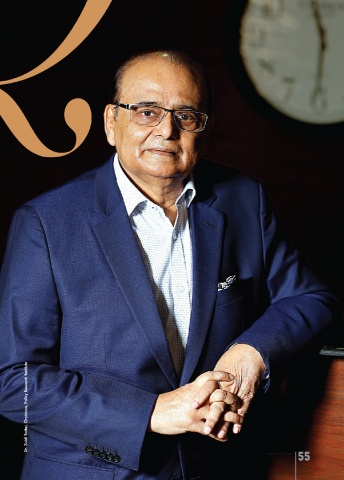
dynamism into the economy. that, but it took India 50 years Dr. Zaidi Sattar, Chairman, Policy Research Institute took advantage of its cheap cheap in Bangladesh, though non-garment products. If RMG returns. with the world market, because orientation and export success. If which is symbolized by the World contracting, I agree that there is
The change in policy direction to reach that conclusion. unskilled and low skilled labor productivity is not that great. Is exports are growing faster than Bottom line: (a) Gaining a foothold the world market is huge. Once that is not maintained, and we Trade Organization, which sets the some productivity increase that
was inspired by the new Thankfully Bangladesh took force and we know the result. there no other labor intensive non-garments, what will happen in the export market is not easy you get a foothold there the world cannot continue to be an export rules of trade, has come under they always get because of
paradigm of growth coming about 20 years to realize the I would argue strongly that it was product in which we also have to the export basket? It will get (b) margins are very thin. And market opens up for you. Domestic success then this growth could criticism due partly to its technological advancement, but
out of East Asian countries. folly of an inward-looking this radical change in the direction comparative advantage? There are more and more concentrated with then in the domestic market, you market has a scale problem. We slow down. That is the historical ineffectiveness in many areas. But that productivity is very limite
They were called the East closed economy strategy. In of Bangladesh’s economic policy numerous items, and the fact of RMG. Right now we have 84% of have protective tariffs of 85% or have a 300 billion dollar economy, evidence. it does not mean you throw the Unless labour force grows fast
www.ibtbd.net 55

