Stronger personalities are required to hold ceo or coo positions
CEO and Managing Director, Samadhan Merchandising Services
Senior Board Advisor, Kilpatrick
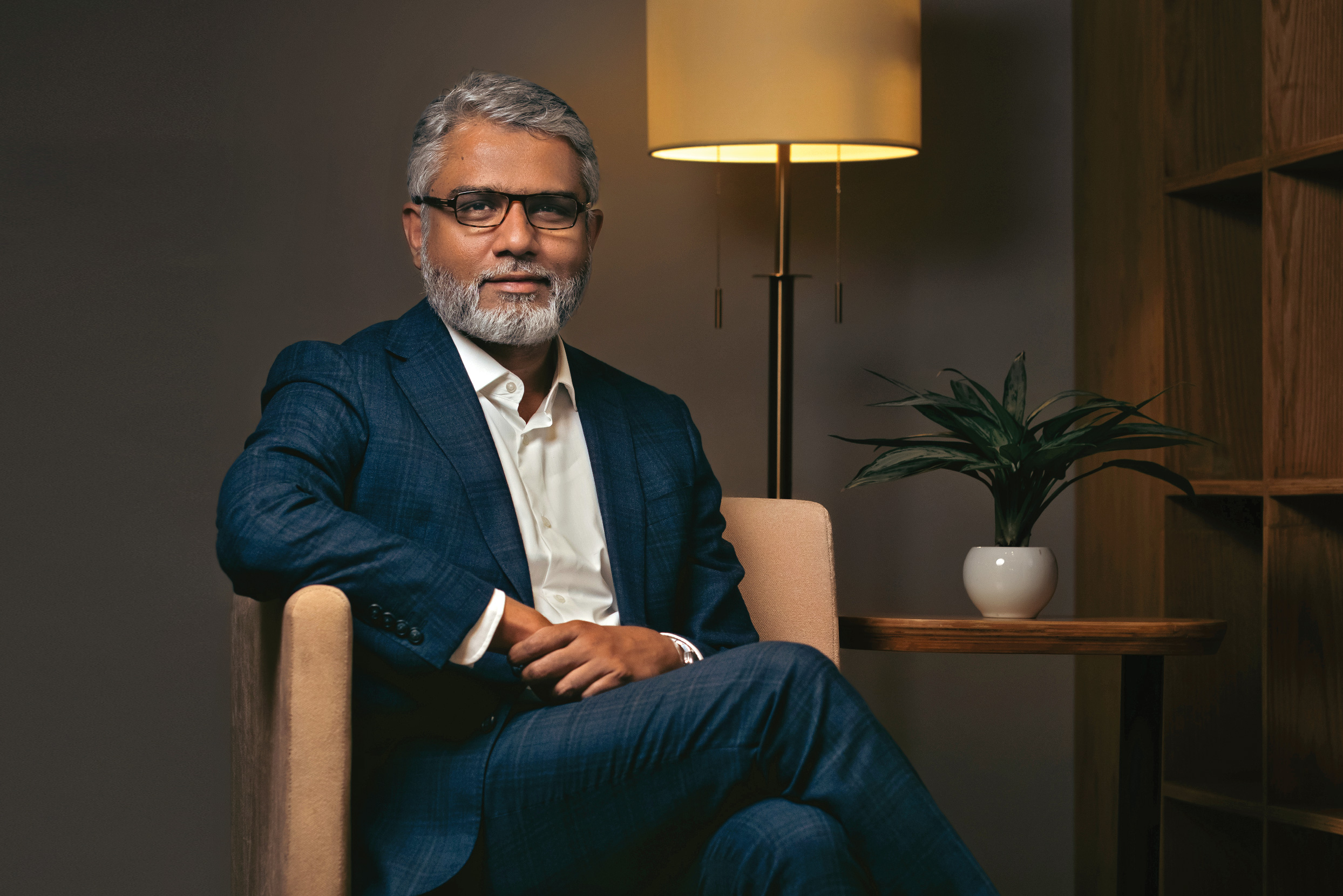
Abdullah Al Maher has nearly 20 years of experience in developing and managing businesses at the local and international levels. Before joining Kilpatrick, he has worked as the Country Manager for Sears Roebuck, USA for the Bangladesh operation, the General Manager at TMS group from Germany and as the Import Manager of Coastline Mode GmBH in Germany. He is also the CEO and MD of Samadhan Merchandising Services, a sourcing and trading company.
He earned a Masters Degree in English Literature and Languages and an MBA in International Marketing at American International University of Bangladesh. He recently sat down with IBT to discuss the potential and problems of managing the human resource pool in Bangladesh.
In Bangladesh, there are currently at least 5000 employees of foreign origin working in high-end jobs. The outward remittances are around $8-10 billion with local employees holding prominent positions in the Garment sector only. What is your take on this situation in the high-end job market in our country?
The problems in this area can be attributed to the poor image of Bangladesh as well as the lack of confidence of eminent local employers in their employees. This can also be linked with the lack of previous experience, adequate degrees in the related fields and a lack of proper exposure. These factors culminate and can also lead to the lack of strong personalities required to hold these positions. Due to these issues multinationals and even local employers are looking for more experienced foreign managers with strong personalities to hold Managerial, CEO or COO positions.
As an international recruiter, what discrepancies did you find in our high-end job seekers compared to their foreign compatriots?
Work wise, the local experts are more than qualified but there are stark differences when it comes to aspects like personality, integrity and the mannerism through which they handle situations. Some of these things arise from cultural drawbacks but still make a big difference. Another noteworthy issue is that local workers tend to be more submissive and display better attitudes when it comes to working with foreign supervisors or managers.
Have you noticed any changes in the new generation of workers in Bangladesh regarding more technical jobs such as those in the IT sector?
Yes, there is a substantial, visible difference. The new generation is more confident and knowledgeable; these attributes along with their talent, vigor, and creativity will help them surpass their competitors. In recent times, we have seen the success of our local universities in international business competitions. Many local prodigies have been winning awards, which will help them attain reputable positions in Fortune 500 companies.
What can be done to minimize or narrow the gaps in order for our workforce to counterbalance the competition with their international counterparts?
First of all, local companies have to create the scopes for local managers by nursing people and providing training. Patience and tolerance will also be required with the younger employees, before they are endowed with larger responsibilities, as they will make mistakes in the progression of their career. The local managements will have to learn to be more supportive to boost the confidence level of upcoming local leaders. We can use India and China as examples of countries that have not shied away from using local experts, local labor and local technologies to boost their growth.
Work wise, the local experts are more than qualified but there are stark differences when it comes to aspects like personality, integrity and the mannerism through which they handle situations.