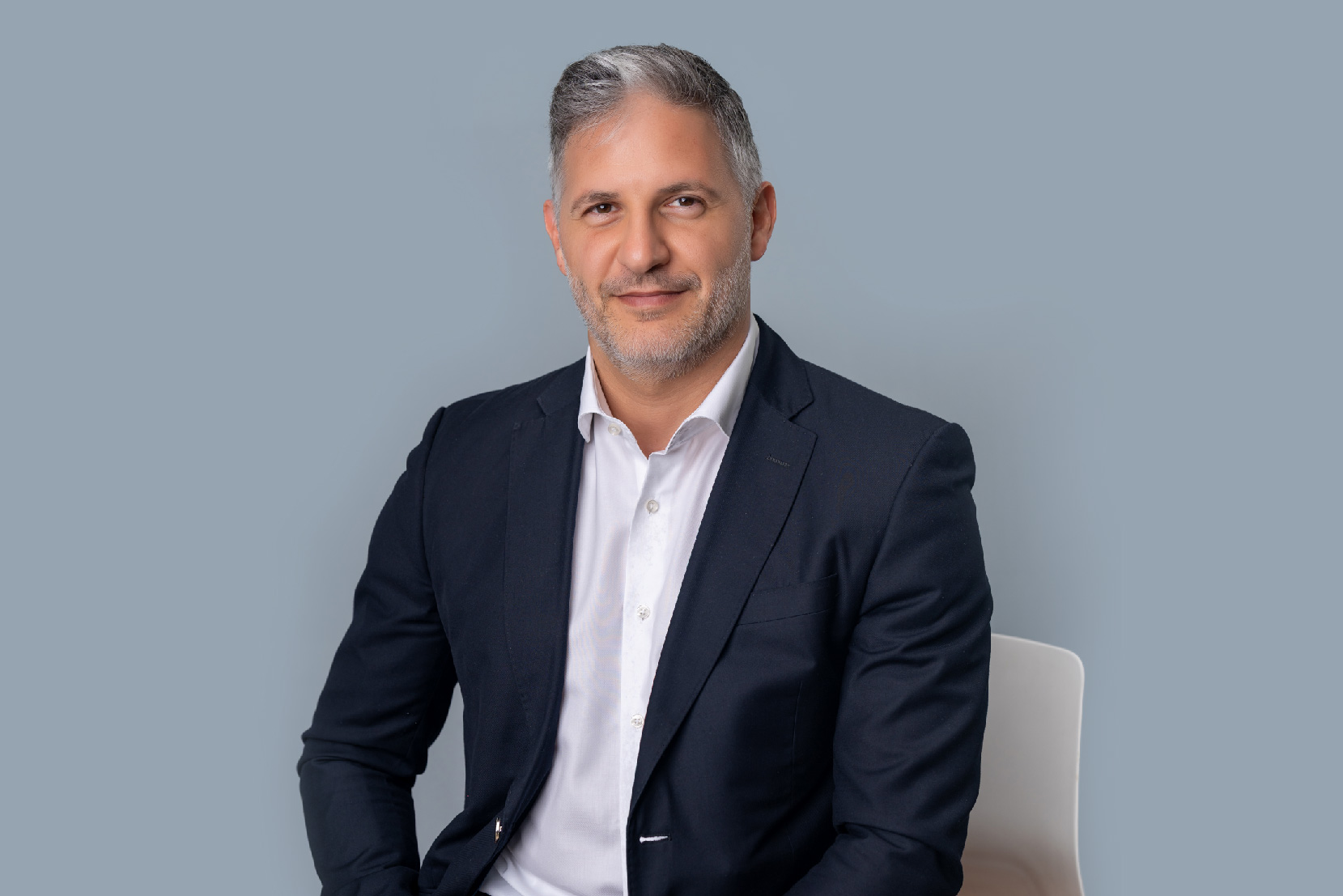

Katarina Szulenyiova
COO Seedstars World
Katarina Szulenyiova is the COO of Seedstars World, a Switzerland based startup competition that takes place in emerging markets. Having spent the past two years identifying the most investable seed-stage startups across 17 Asian countries for Seedstars World, Katarina has extensive insight into the recent entrepreneurial trends in the region. Her main passion lies in connecting the startups to the right partners to fuel their international growth. Katarina graduated from Leiden University with a Master degree in International Affairs and Diplomacy. After finishing her studies, she lived in Israel, the United States and Malaysia, where she worked on developing an e-health platform aimed at prevention of type two diabetes.
“I am still completely mesmerized by the amount of talented people that we are regularly meeting on the ground, and the unbelievable drive that people have to take matters into their own hands and change the current status quo.”
Please give us some insight regarding your work at Seedstars World. What can you tell us about your experience from working in emerging markets?
I have been working with Seedstars World for the past three years and the work itself has been incredibly rewarding. With a background in international relations and diplomacy, I was always passionate about understanding what was happening on the ground in countries around the world. Seedstars World, with our focus on emerging markets, gave me the unique opportunity to visit countries that I have only read about before, and understand firsthand how the economies of countries like Bangladesh, Myanmar or Indonesia work.
I am still completely mesmerized by the amount of talented people that we are regularly meeting on the ground, and the unbelievable drive that people have to take matters into their own hands and change the current status quo. We have seen some impressive technological products coming out of emerging markets and I am proud that every year we can gather the best of them in Switzerland and showcase emerging markets for what they are - true hubs of innovation.
What is the advantage of operating in emerging markets?
We have been actively involved in emerging markets for the past four years. While four years ago, the general attention of the startup world was focused on the major startup hubs, such as Berlin, London or Silicon Valley, we have already been working with entrepreneurs in countries like Iran, Colombia or Vietnam.
And only now, when the attention of the Western World is slowly starting to shift to the more developing countries (just think of Zuckerberg’s visit to Nigeria), we have already established a strong foothold in those regions, and developed a much deeper understanding of how these ecosystems work.
The main benefit for us, then, was the fact that we were able to identify promising investment opportunities before anybody else, which gave us the first mover advantage.
“Many small companies with social aspect tend to forget that in order to be sustainable, they need to have their business model set up in a way that would allow them to function independently without any outside involvement.”
You mentioned that you’ve moved part of your operations to Nigeria. How has that worked out for you?
For three years, we have been running our competition out of Geneva in Switzerland. However, our focus has always been on emerging markets, which is why we soon realized that we need to deepen our understanding of what it takes to actually live and work in one. And since our first investment was in a Nigerian company, SimplePay, we took the risk and opened our offices there.
Of course, you cannot really compare living in a place like Geneva to Lagos. It is a city of 6 million people, with constant traffic, noise, safety concerns and everything that belongs to living in an emerging market. However, from a business perspective, it is very exciting.
Just the city itself is generating around 10% of the country’s GDP, and since the startup scene is really starting to boom, it was a perfect time for us to open our own collaborative workspace Seedspace and start running a 6 month acceleration program, during which we train highly talented Nigerians to build real tech products from scratch.
Were you able to glean information regarding the startup ecosystem in Bangladesh? What are your thoughts?
Definitely! We have been coming to Bangladesh for two years in a row, and it is a very exciting experience every time we visit. While it is understandably still catching up with other countries on the continent, we have seen a lot of enthusiasm for and support for entrepreneurs coming both from the private and the public side.
Events, such as Digital World, are a right starting point to attract international attention to what is happening in the country, and the startup scene is very collaborative and tight knit, which is also very positive. The startups are coming up with innovative ideas that are solving real life problems, with the stellar example being our year’s winner FieldBuzz, who are allowing managers to keep track of their field workers using smartphones.
With prominent clients such as Danone and Unilever, FieldBuzz is solving a problem that is widely applicable to many companies worldwide, and is it exactly the kind of product that we are interested to support.
What would your advice be to Bangladeshi entrepreneurs looking to engage in social businesses?
Never forget to have a solid business model behind everything that you do. Many small companies with social aspect tend to forget that in order to be sustainable, they need to have their business model set up in a way that would allow them to function independently without any outside involvement.
However, relying on an external support in the form of donations, charity or grants will make these companies always dependent on someone else, and in case any of the funding “dries up,” without a solid business model they will not be able to sustain their operations.
As an example, another Bangladeshi company that we have met, MyCash Online, is providing migrant workers in Malaysia an online platform through which they can transfer remittances to their families back home. You can definitely see the positive social impact that My Cash Online has, but at the same time, they are making revenue out of the commissions that they charge for each transaction that they complete.