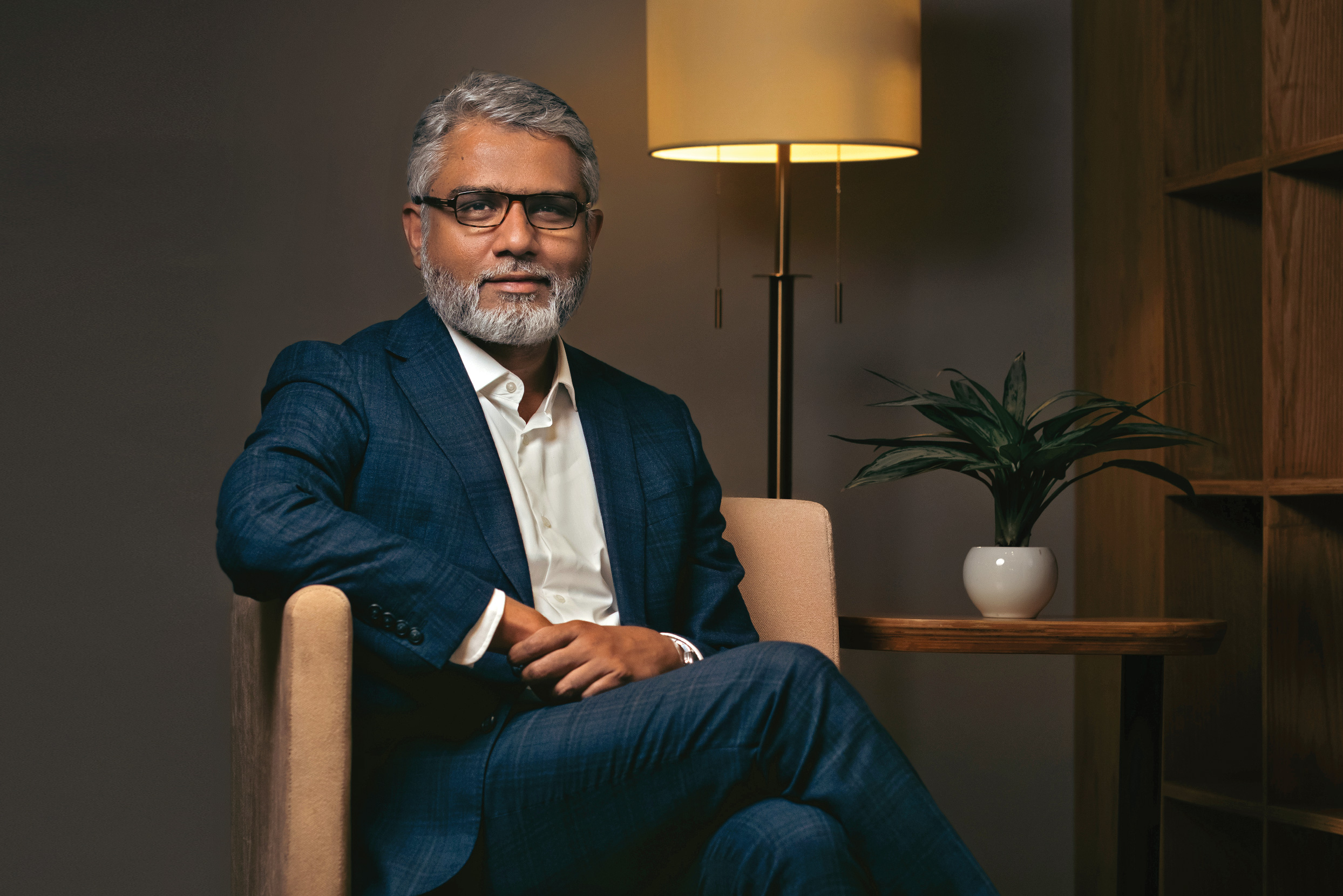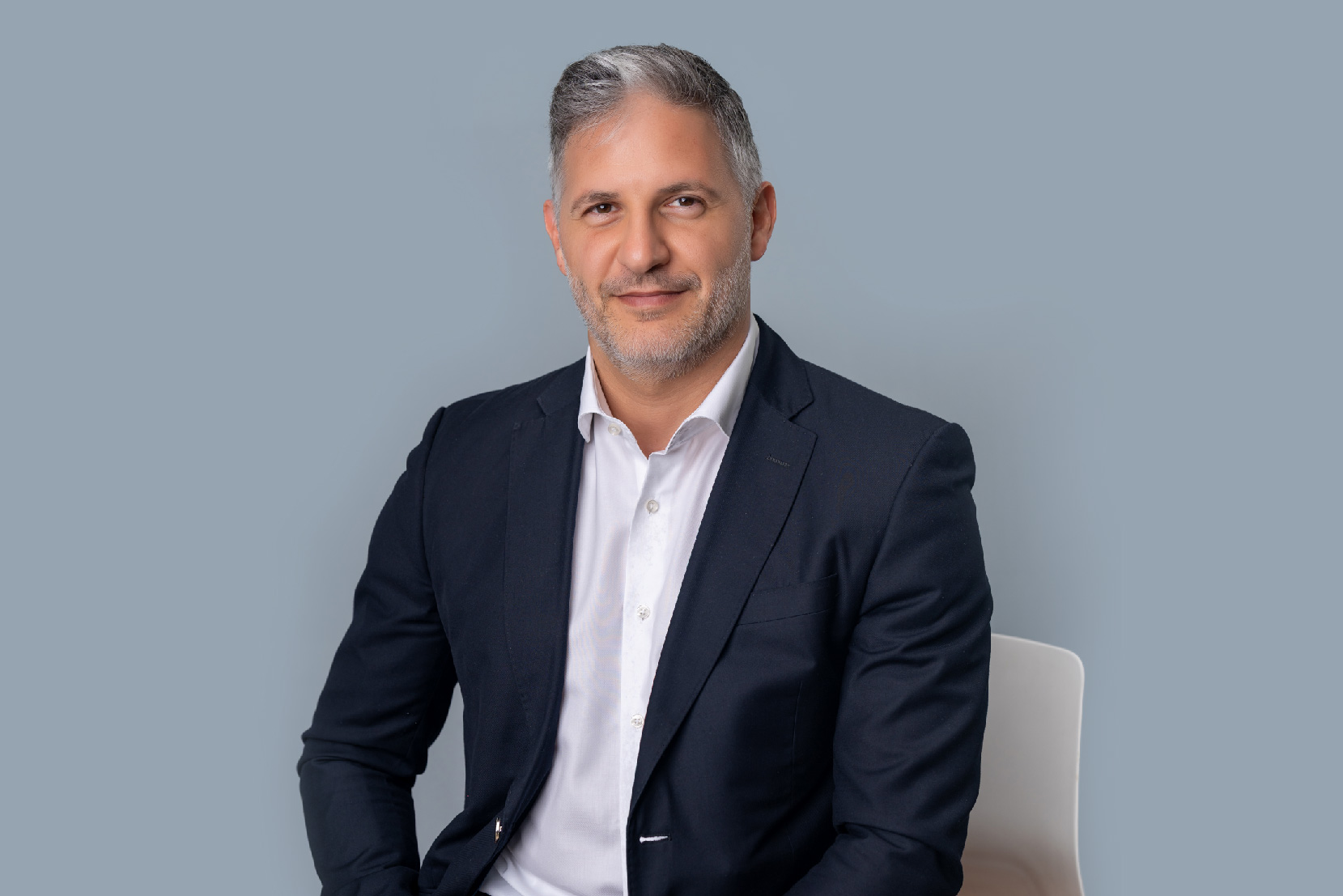
Professor Durreen Shahnaz
Founder & Managing Director,
Impact Investment Exchange (IIX) IIX Foundation
Professor Durreen Shahnaz is the Founder & Managing Director of Impact Investment Exchange (IIX) and the IIX Foundation. After receiving a bachelor’s degree from Smith College, Durreen worked on Wall Street as a financial analyst at Morgan Stanley, making her the first Bangladeshi woman to work in Wall Street.
In 1991, she returned to Bangladesh and worked with Grameen Bank. Her experience there proved transformative and she returned to the U.S to pursue a joint master’s degree: an MBA from the Wharton School and a master’s from the School for Advanced International Studies at Johns Hopkins University. Here, she continued to blaze a trail for Bangladeshi women and became the first female Bangladeshi graduate at the Wharton School of Business.
Durreen founded the Impact Investment Exchange (IIX) and the IIX Foundation in 2009 with a mission to transform the way capital markets work – to move beyond profit maximizing and into impact maximizing. IIX has facilitated over $12 million in impact investment capital across Asia to date and aims to impact over 100 million lives by 2020.
IBT’s Irad Mustafa got in touch with Durreen to discuss how her two organizations – IIX and IIX Foundation – have been improving lives all over Asia.
“In addition to being a pioneer in the impact investment space, IIX continues to receive great recognition for our ability to create innovative financial products that bring the social angle to capital markets as well as our commitment to providing impact enterprises across the world with the support and assistance they need to scale and optimize their impact.”
Could you please outline the importance of impact investments in developing nations like Bangladesh? What kinds of obstacles are more apparent in growing nations like ours?
Impact investments are investments with the intention to create demonstrable social and environmental outcomes alongside financial returns. Impact Investing is an important approach to development for both developed and developing nations because it allows for communities around the world to unlock capital that is otherwise unavailable in a donor-based system to sustainably support enterprises generating positive social and environmental impact.
In the last few decades, Bangladesh has made tremendous developmental progress. The country has grown a vibrant social-impact landscape and the current development narrative has been relentlessly driven forward by a diverse set of ecosystem players. Donor interest and conducive public policy, combined with the efforts of national-level organizations like BRAC and Grameen, have contributed greatly towards shaping the development paradigm in Bangladesh.
But there is more to be achieved…
It is good news that Bangladesh is rapidly becoming a middle income country; however, with this growth, Bangaldesh is also witnessing increased pressure on donor funding. In order to be able to handle our own development agenda and brace ourselves for the effect of climate change, we need to approach the development agenda very differently. We need to embrace impact investing so that we can effectively use finance and financial innovation for social good. Beyond the country’s 26,000 NGOs and 600 Microfinance Institutions (MFIs), there is and can be a new wave of impact entrepreneurs looking to use market-based solutions to achieve development goals in the country.
However, in order for impact investing to take hold in Bangladesh, it is critical to have a proper “infrastructure”. This requires donor agencies to change the traditional views of development and both the private and NGO sectors to embrace sustainable development from financial, social and environmental angles. IIX and IIX Foundation (formerly known as Shujog) will use its 8 years of expertise in impact investing to play a role in the sustainable development goals of Bangladesh.
What social business models would be most constructive for Bangladeshi businesses looking to become more socially responsible?
First, it is important for me to clarify that social businesses and impact enterprises are not the same thing. Social businesses are sustainable not-for-profits, while impact enterprises are sustainable for-profit entities. Because of their structure, social businesses largely depend on grant funding and, with commercial activity, can sometimes qualify for loans. On the other hand, impact enterprises are able to access equity investments due to their for-profit model and, thus, avoid relying on donor funding year-after-year.
Bangladesh would benefit greatly from transitioning its traditional non-profits away from their donor-reliant structure by incorporating revenue-generating activities to sustain their initiatives. At the same time, the country will benefit from supporting for-profits that incorporate social returns via a double-bottom or triple-bottom line. By encouraging this movement, Bangladesh will be on its way to a more sustainable and resilient nation.
“In addition, it would be fantastic if school curriculums can integrate elements of impact investing so that the children learn how to be effective social intrapreneurs or ecosystem players.”
How are you engaging different communities through your programs? Can you elaborate on some of your more prominent endeavors which have led to you being recognized by the likes of Asia Society and the Wharton Business School?
The success of IIX and IIX Foundation over the years is largely due to our understanding that the effectiveness of impact investing relies on our ability to involve a new set of stakeholders in the development equation. As a result, we have built a network of over 30,000 key development and private sector players to support our work and the impact investing movement as a whole. These players include NGOs, foundations, law firms, banks, accounting firms, CSR executives, impact enterprises, and family offices, among others. By building this diverse network with representatives from both sectors, IIX has in effect brought development and finance together and created “social capital markets.”
In addition to being a pioneer in the impact investment space, IIX continues to receive great recognition for our ability to create innovative financial products that bring the social angle to capital markets as well as our commitment to providing impact enterprises across the world with the support and assistance they need to scale and optimize their impact.
One financial product we have created is the Women’s Livelihood Bond (WLB), a $10 million debt security designed to unlock capital for Impact Enterprises (IEs) and Microfinance Institutions (MFIs) that are part of the sustainable livelihoods spectrum for women in Southeast Asia. The WLB is projected to empower over 350,000 individuals, the majority of them women, and is supported by a diverse range of stakeholders like the Rockefeller Foundation, the Japan Research Institute, USAID, the Department of Foreign Affairs and Trade of Australia, DBS Bank Ltd, Australian and New Zealand Banking Group, Shearman and Sterling and Hogan Lovells.
IIX is also an active participant in the Impact Reporting and Investment Standards (IRIS) working group for impact evaluation, and its assessment methodology has become an impact investment industry standard. IIX Foundation’s leadership role is also exemplified by the creation of its innovative Assistance for Capacity Building and Technical Service program (ACTS) that supports Impact Enterprises worldwide to raise investment capital and scale their impact. The ACTS program received awards from the Rockefeller Foundation and USAID in 2014 for its innovative nature.
IIX has been working in sectors like sustainable agriculture, water & sanitation, health, education and clean energy. Which sector has the most success rate and why?
IIX works across a wide spectrum of high-impact sectors to fulfill our three main mandates of promoting gender equality, community resilience and climate action. To date, we have seen the most traction on these outcomes in the sustainable agriculture and clean energy sectors. These sectors have seen the most traction with impact investment because they have the most established value chains, which is attractive to investors.
However, a strong gender focus also cuts across all of IIX’s work, as we believe that poverty is not gender-neutral and that it is crucial to include women in development solutions. For this reason, our work brings gender to the forefront by prioritizing Impact Enterprises that are women-led or predominantly support female beneficiaries.
Given that you have been educated abroad, what curriculum can be integrated into our local system to make it more effective? Is IIX involved in such an endeavor?
I studied in Bangladesh at Holy Cross School until I was 10 years old. Holy Cross School did an amazing job at integrating social courses and self-sufficiencies with our school curriculum. We had to sweep our own classrooms, clean the rooms, volunteer at the adjacent hospital and help the children from the local slum area who came to study at the school after us. Holy Cross helped me understand and define the fundamentals of social good. I wish more schools would do that. In addition, it would be fantastic if school curriculums can integrate elements of impact investing so that the children learn how to be effective social intrapreneurs or ecosystem players. Aside from supporting impact enterprises with an educational focus, IIX is not currently involved in programs that directly educate the youth. However, we do play a large role in educating professionals across the globe about impact investing and the opportunities it creates. As pioneers in the field, one of the key challenges we face is aligning diverse stakeholders from the private sector, public sector and civil society to imagine the possibilities that impact investing can bring to the world. It remains an important endeavor to create a narrative that binds seemingly disparate players together and helps them realize that they really are part of one ecosystem.
To achieve this, IIX established educational programs that broaden and deepen the knowledge base about the space. For starters, IIX’s Impact Forums coalesce global leaders to facilitate dialogue on how to propel impact investing from a niche to the mainstream. IIX has organized six forums across five countries, convening over 2,000 delegates from over 50 countries. In addition to our Impact Forums, IIX offers training programs to educate ecosystem actors on how to play a catalytic role in the movement and expedite sustainable development. These include its Impact Academy, which provides customized training courses for corporate partners and industry professionals, and its Impact Institute, an academic institution with structured modules that aim to broaden industry leadership through academic and practitioner-oriented study in Impact Investing. IIX has trained over 3,000 individuals through both initiatives. Our IIX Impact Institute is currently running its spring course for 2017.
IIX Foundation and Impact Investment Exchange (IIX) were both created to help facilitate the growth of communities and build capacities through impact investments. Could you explain to us how they are functionally different from each other?
IIX and IIX Foundation are sister entities that are legally independent of each other. IIX Foundation is the program management entity that oversees initiatives like the abovementioned ACTS, while IIX is the umbrella company that mobilizes capital for Impact Enterprises at different stages of maturity, conducts impact assessments to enable Impact Enterprises to understand and communicate their impact, advances knowledge about the space through action-oriented research, and empowers stakeholders to navigate the space through advisory work.
Are you and your organizations reliant on social media to engage the youth? Do you have any social media strategies which you use to reach the youth regarding pressing issues?
We strongly believe that the youth, especially the millennial generation, are who will take the field of impact investment to the next level. IIX engages this population and reflects on their perspectives through both social media and our other publications. For example, IIX’s Impact Quarterly, a digital publication which shares IIX’s insights from the grassroots with over 25,000 readers, has discussed a variety of issues – ranging from sustainable fisheries, innovative finance, mobile technology and waste management – from the perspective of millennials. IIX also has an active social media presence on Facebook, Twitter, Instagram and LinkedIn through which we engage youth on issues relevant to our work.
What’s the next step for both these entities? Are there any expansion plans?
IIX and IIX Foundation are expanding geographically into Asia, Africa and Latin America through establishing new offices as well as member chapters. In Bangladesh, we have established an IIX Foundation. Through IIX Foundation Bangladesh, we look forward to creating an effective impact investing ecosystem. As a first step, we are excited to replicate the Women’s Livelihood Bond in Bangladesh.
IIX is also expanding the type of capital that we provide to Impact Enterprises through our IIX Growth Fund (IGF). IGF is a private equity fund that will help direct funds from Impact Investors to underserved markets in Asia including Bangladesh, Indonesia and the Philippines. By making direct investments ranging in size from $0.250 – $5 million into growth to pre-IPO stage entities, the Fund will leverage further private sector investments into portfolio enterprises in high-impact sectors such as energy, water, healthcare, agriculture and education with a cross-cutting thematic focus on accessibility, affordability and innovation.
Other expansion plans include launching a licensing program for our impact assessments, as well as an IIX Sustainability Seal to recognize and certify exceptionally impactful Impact Enterprises identified via our technical assistance and impact assessment services. We are also encouraging people to curate local IIX Chapters in their cities. We would love to have IIX Chapters in cities across Bangladesh to fuel the impact investing movement in their communities. Anyone interested in opening a chapter should contact us.
As the first Bangladeshi woman to work in Wall Street and attend the Wharton School of Business, what advice can you provide for other Bangladeshi women looking to defy the odds and become successful?
Finance and Wall Street remain male-dominated – so all the more it needs representation from women who can bring a different perspective. Seeing more women entrepreneurs and women executives in today’s world, I believe that these are positive signs of women taking hold of leadership positions.
When I first started working in New York (almost 30 years ago now), I remember having to learn not only the language of finance, but how to dress right, how to be comfortable working in a very male environment, how to use US sports lingo, and how to laugh at myself – all of this while maintaining the stamina to work 100 hour weeks. All this would not have been possible if I did not have an ultimate goal in mind. There were days I was miserable but I kept on pushing because I would say to myself, ‘I am getting this incredible opportunity that very few from my country ever get, I need to learn everything I can and take it back….’. I had an incredible sense of responsibility towards Bangladesh and the rest of the developing countries. My sense of defiant optimism has enabled me to pursue my dreams in spite of the odds, and is something I hope other Bangladeshi women will have as well.
The world needs more ambitious, optimistic, and defiant Bangladeshi women. Hold onto the truth that you are right and that your dreams will come true. Be defiant to the system that puts chains on you, but at the same time keep your optimism that you can make the world a better place. The world needs you.