Public Health

Share on facebook
Facebook
Share on twitter
Twitter
Share on pinterest
Pinterest
Share on linkedin
LinkedIn

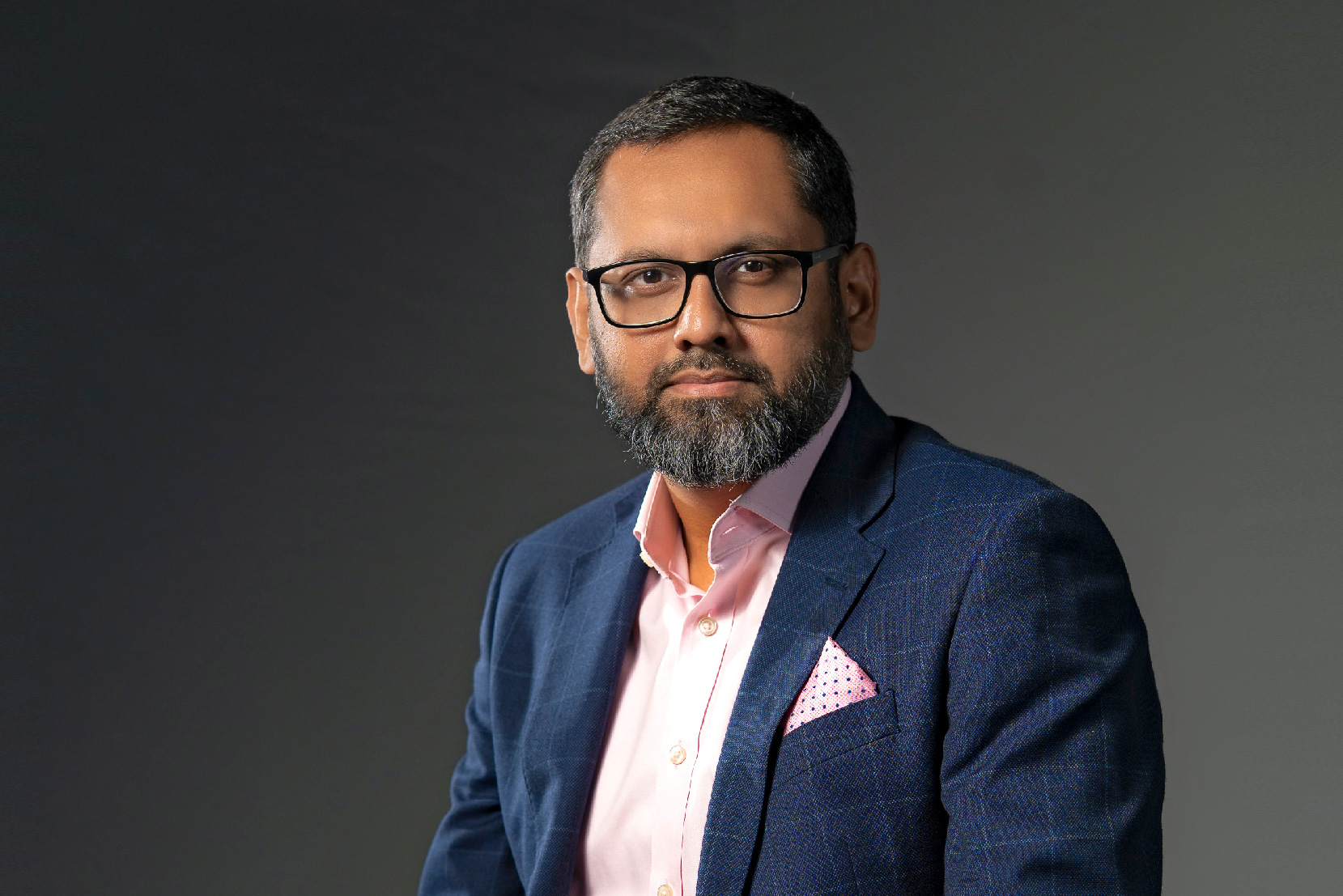
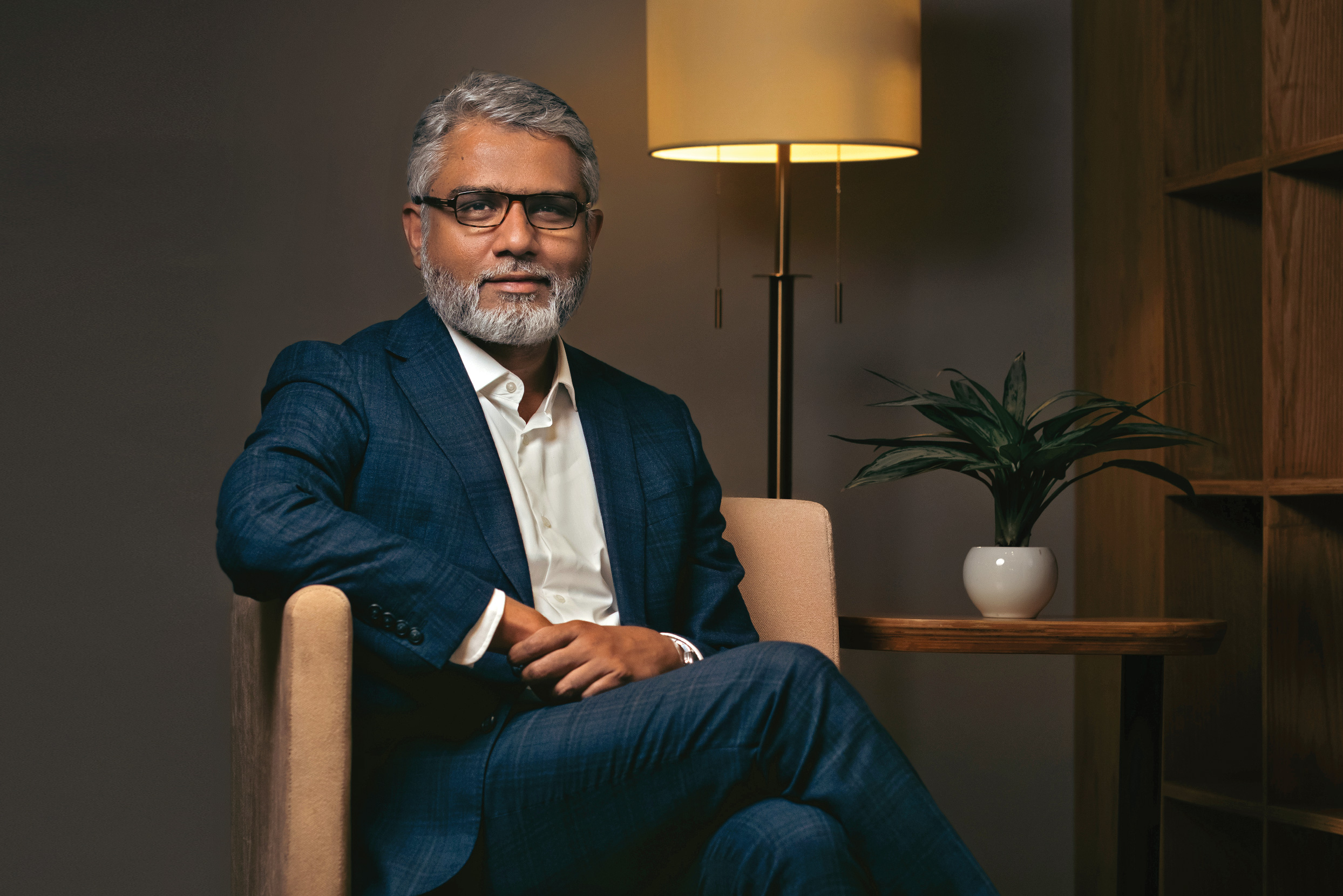
Prof. Dr. G. U. Ahsan is the Dean, School of Health & Life Sciences and Chairman, Department of Public Health at North South University (NSU). He has also been working as a Member of the Technical Advisory Committee, World Health Organization, South-East Asia Region, New Delhi, India. He has garnered 25 years of professional experience in Public Health as an academician and researcher. He has worked mainly with NSU and some other reputed universities in North America and South East Asia. He has also worked with the Ministry of Health & Family Welfare of the Government of the Bangladesh. He received his Ph.D. in Epidemiology along with his MPHM, and DTM&H from Mahidol University in Thailand. He is considered a pioneer in establishing Public Health-Higher Education programs in the private university sector of Bangladesh.
Dr. Ahsan has facilitated wide collaboration networks with a good number of reputed international universities. He has more than fifty publications both in international and national peer-reviewed journals. At present Dr. Ahsan has also been working at NSU Global Health Institute (NGHI). As its Executive Director, he has drawn in a large number of international research grants from the likes of WHO, TDR, IDRC, NASA and UNDP.

What is the current condition of public health education in Bangladesh?
Simply put, public health, as many may not know, is the health status of the ordinary people of the country. However, the academic definition of public health as prescribed by World Health Organization is much more comprehensive and includes components like the prevention of diseases and the promotion of the health of the entire population. It involves measures, which aim to reduce the risks of disease occurrences as well as provide intervention means, which will help battle illnesses and if needed, eradicate them. To do so, public health is a domain where doctors, biostatisticians, policymakers, health workers and communities participate actively. A better public health scenario means the population as a whole is enjoying a better life. Public health education works relentlessly to ensure that.
In the context of Bangladesh, the situation is getting better day-by-day. I personally would like to thank the expansion of public health education. This has led to educators making the policy makers more informed of the situation, the investors more equipped with data and workers more aware of the latest public health technologies and intervention methods. But in the beginning, we had only one organization, the National Institution of Preventive and Social Medicine (NIPSOM), who started providing public health education in the name of a DPH degree. The one fallacy of the program was that only government medical doctors, bureaucrats, and employees of government institutions could apply for the degree.
After completion of my Ph.D., I came back and joined as the Director General of Health Services. During my stint there, I have taken initiatives to establish a public health unit called the Technical Training Unit which was missing since our independence. There, we assessed public health needs countrywide, based on which we doubled up the public health programs. That program gave me an insight into the public health condition of the country. It was evident to me that only NIPSOM could not produce enough public health professionals to meet the burgeoning need. The private sector had to come forward.
I reached out to North South University, which was (and still is) immensely popular for its business administration programs. Leaving the government job, I started as the founding chairman of the School of Public Health under the School of Health and Life Sciences. However, before joining here, I helped the State University of Bangladesh to establish their Public Health Program, which didn’t go further. Today North South University has emerged as one of the best education providers in the realm of public health and preventive medicine. We have managed to achieve that reputation based on five qualities: selecting the best students for the program, attracting quality faculty members, using a global standard curriculum and methodology to teach our students and encouraging them to conduct research activities and help them hone their expertise through various internship programs. Many of our students are pursuing their doctorate and post-doctorate degrees in institutions like Harvard University, John Hopkins University, etc.
Following the footstep of our success here at NSU, we now have 31 universities and institutions offering Public Health education. As I have already mentioned about the components of public health, I would like to add that this kind of program always encourages people to understand diseases better and share the knowledge among the concerned professionals. Based on that knowledge, doubling up programs helps us have a better grip over their prevention, be it communicable or non-communicable.
In this connection, I would like to give the example of the discovery of Oral Rehydration Solution (ORS). Before the invention of this simple solution, millions of people died here and in many other parts of the world due to diarrheal diseases. Similarly the Expanded Program of Immunization (EPI) in Bangladesh, also helped save the lives of thousands of children. Our honorable Prime Minister won international recognition in battling maternal and child mortality, which, according to me is a direct outcome of expanding public health programs.

What are the challenges of Public Health sector?
Ignorance about the importance of Public Health education is the number one challenge. Even at policy maker level, sometimes we face dilemmas in making them understand the significance of timely intervention. The curriculum we follow in medical education is yet to become updated to meet the need of the 21st century. There is no denying the fact that the foremost duty of clinicians is to cure diseases. Nevertheless, in the changed world order, we must admit that topics like behavioral change, moral aspect, health statistics etc. should be learned and practiced for the better understanding of the course of a disease and its preventive measures. The curriculum of public health education has all these components. Should they have studied these issues; they would have performed way better in their daily practices. This is why I urge that every clinician should take at least three courses: research methodology, communication, and hospital management. This will enable them to understand disease patterns.
Bangladesh’s healthcare system has been lauded for all the services it provides at different levels but the problem is with the governance mechanism. We can observe many foreign stakeholders critiquing our system as the best example of worst management in the world. The problem lies in the mindset which lacks professionalism. However, things will be different in coming days. Now many clinicians have grasped the importance of studying this subject. This course will equip them with leadership qualities too, allowing them to emerge as torchbearers of new innovations in the health frontier.
Many people consider the lack of infrastructure as a problem. In my opinion, it’s the strategy and implementation and skilled human resources who can pave the way forward. One has to have a vision.

You have a nursing institute also. What is the condition of nursing education here?
Just like doctors, we have a sheer lack of skilled nurses for the healthcare service industry to run seamlessly. On top of that, the existing curriculum was also poorly planned. During my stint at the DGHS office, I realized the need of updating their curriculum too. We came up with study materials, which not only equip them with know-hows of treatment modalities but also behavioral aspects of communication and crisis management. We also added topics that will enable them to use tech devices in a smart way. Teaching proper English has helped them go beyond borders and render their services. I am grateful to all the visionary teachers we have worked together to develop a highly trained nursing workforce at home and abroad.

Why have you started NGHI?
In Bangladesh, we have enormous public health problems which are increasing due to inefficient management, lack of research competency and practices, rapid climate change, drug resistance and increasing non-communicable, emerging and re-emerging infections in the community. In such circumstances, NGHI was launched to combat the challenges in Bangladesh and in the region. This is to be done through the enhancement of the development capacity of the providers, implementing appropriate research to discover effective technologies that are important to prevent diseases, promoting health and protecting the environment and using new public health technologies for ensuring the quality of life and well-being. This is how North South University can become a center of excellence comparable to the top ranking universities in the world namely the Harvard, John’s Hopkins, Cambridge, British Columbia, and others.

Share:

Share on facebook
Facebook
Share on twitter
Twitter
Share on pinterest
Pinterest
Share on linkedin
LinkedIn
On Key

Related Posts

THE LONG GAME

As Head of Talent, Culture & Inclusion at BAT Bangladesh, Rabih Masrouha is helping shape the company’s approach to inclusive leadership. Few leaders have had
TAPPING INTO A CASHLESS FUTURE

Sabbir Ahmed, Country Manager of Visa Bangladesh, Nepal, and Bhutan, offers insights into Bangladesh’s digital payments journey, highlighting emerging trends, structural challenges, and the gradual

Leave a Reply

Your email address will not be published.