“At the heart of everything in East Coast Group, there has always been oil and energy or hydrocarbons and downstream petroleum.”
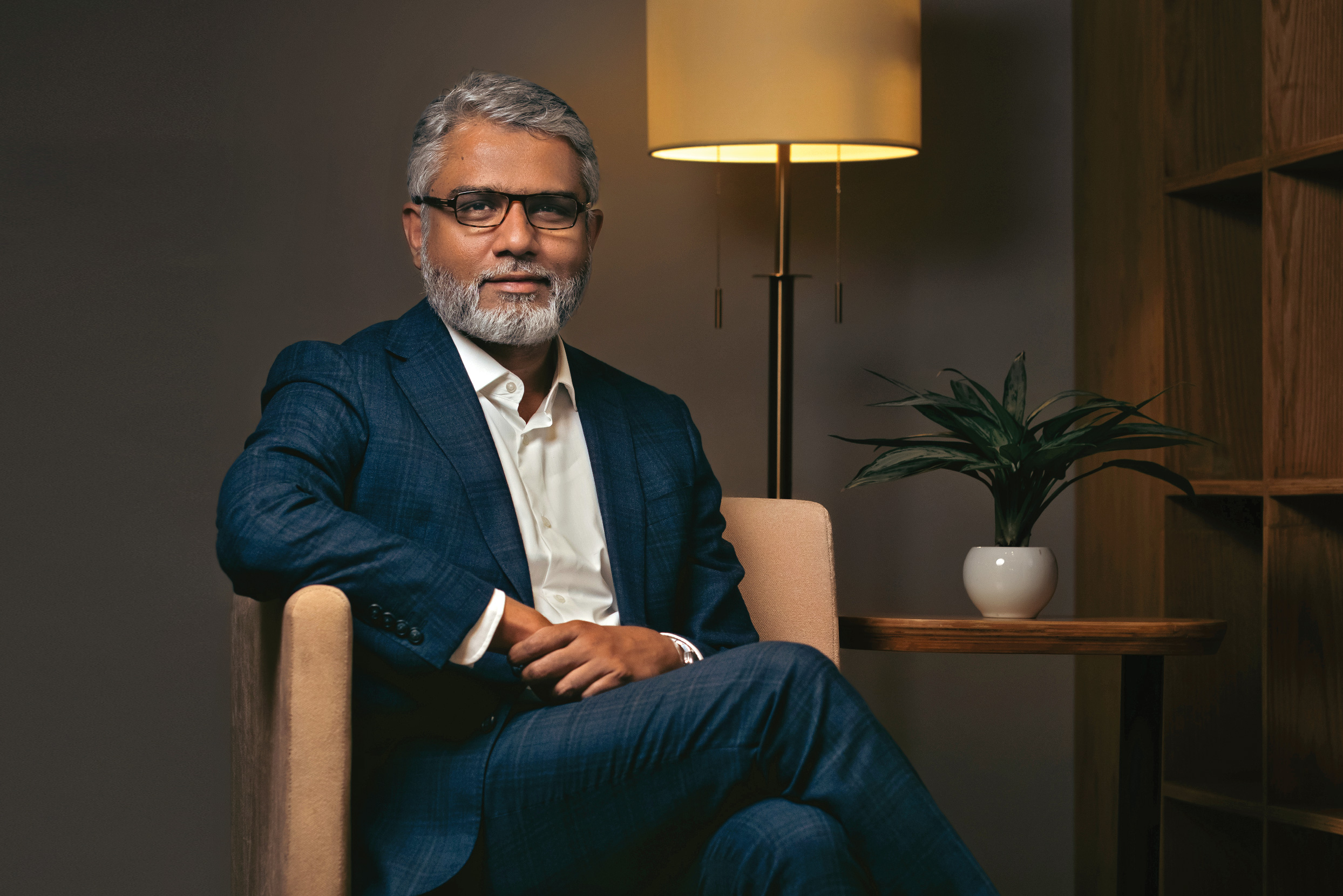
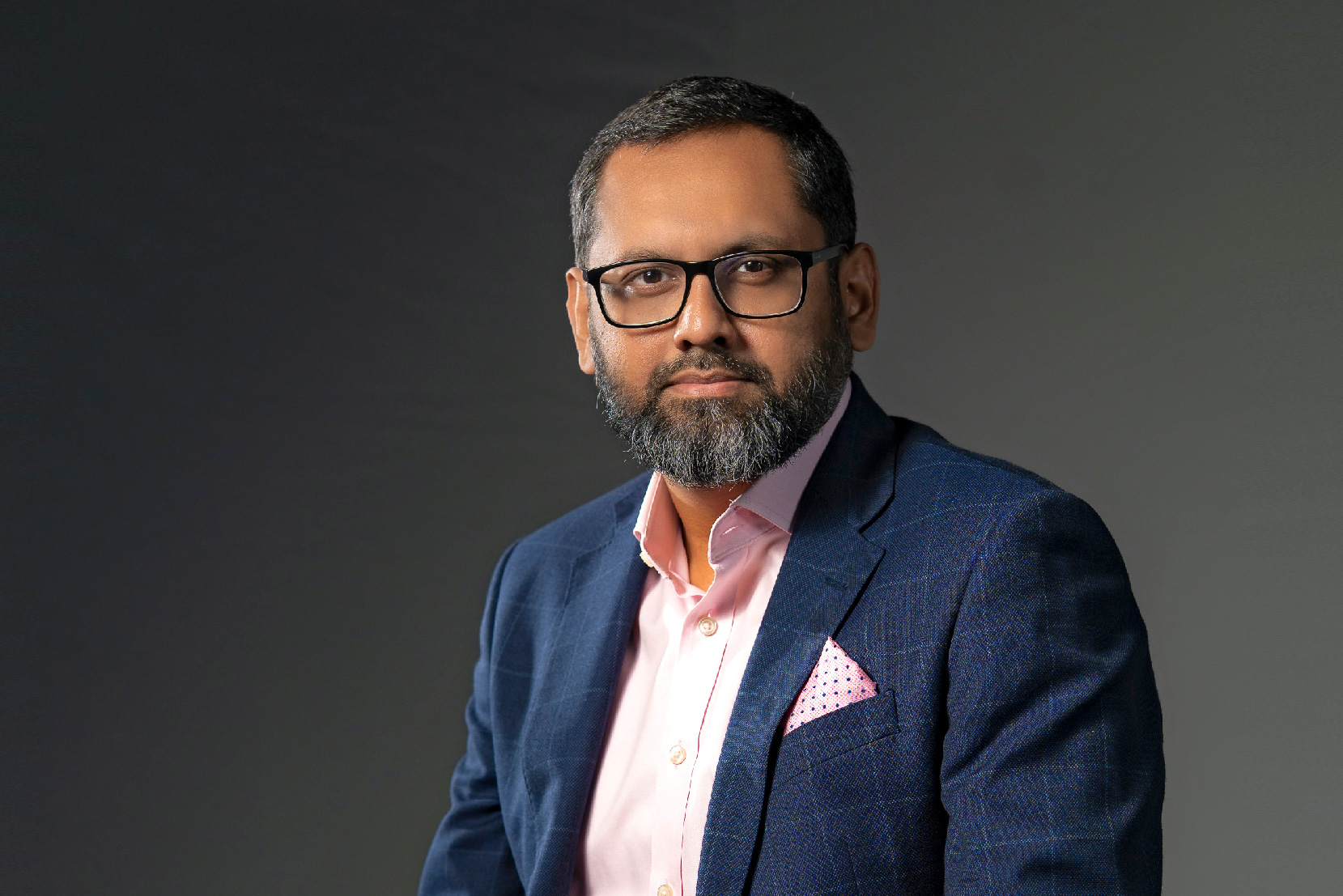
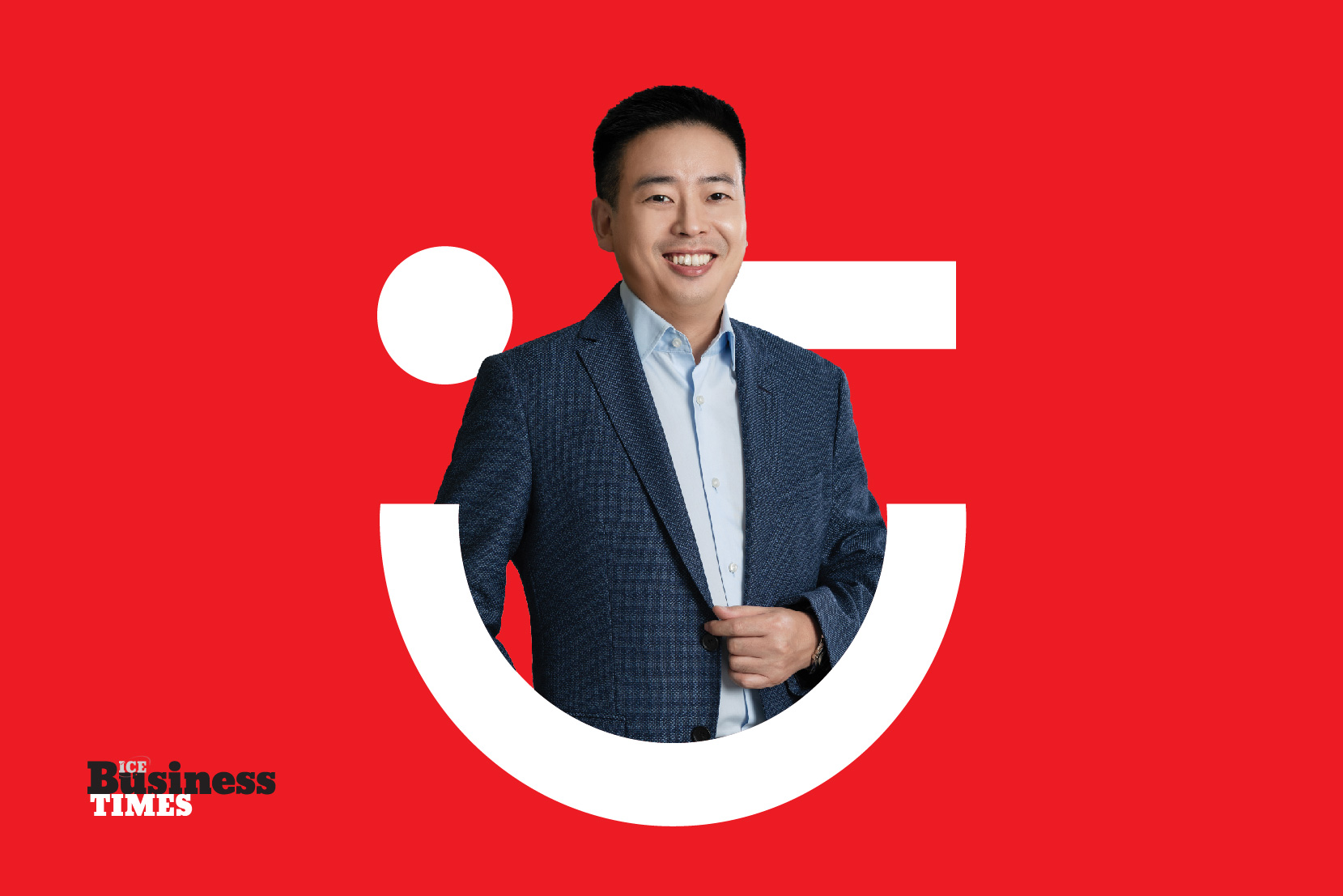
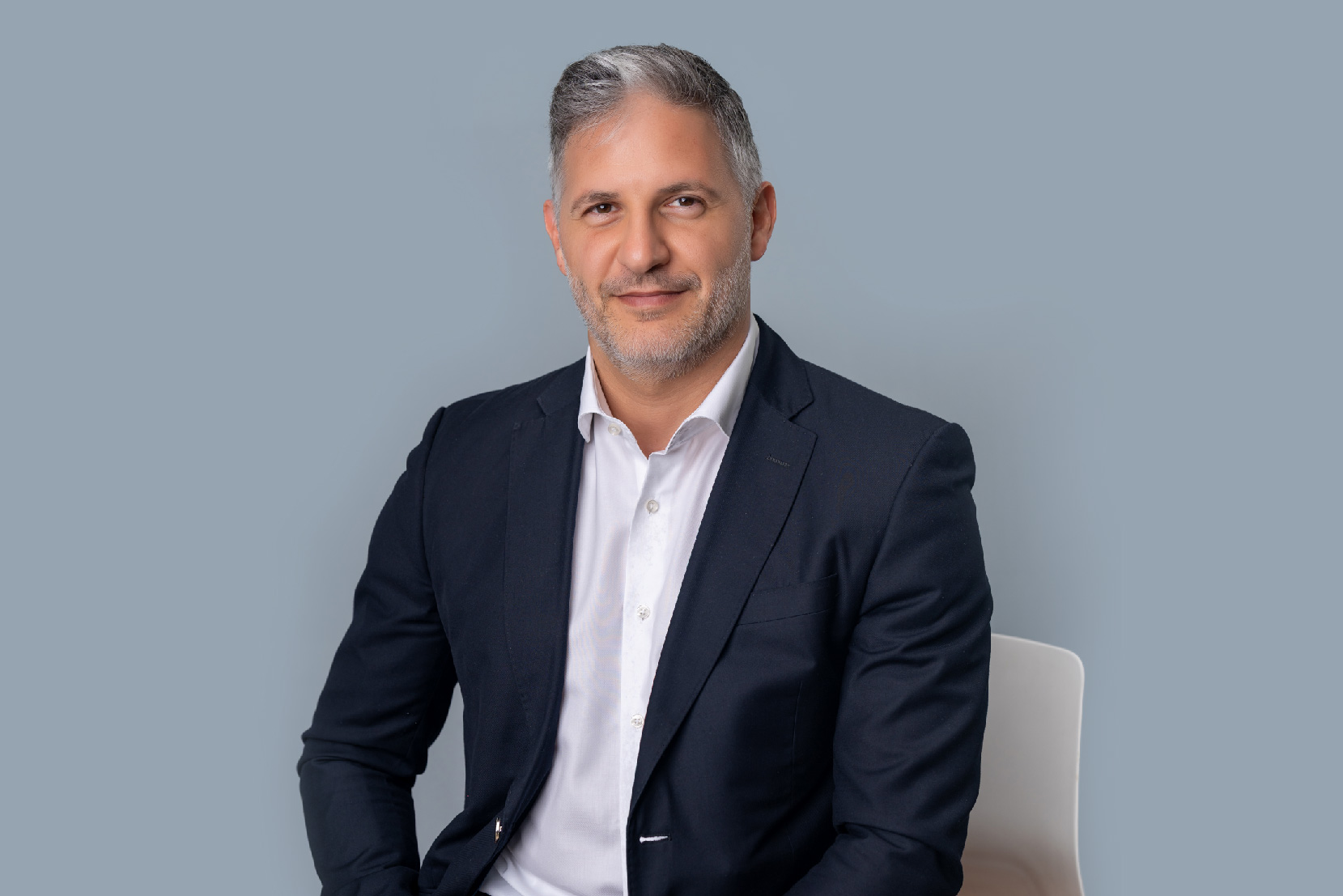
Tanjil Chowdhury is the Managing Director of East Coast Group, a diversified conglomerate with more than 30 years of experience in Oil & Energy sector. Tanjil is a former Board Director and Chairman of the Executive Committee of Prime Bank Limited (PBL). He is the Managing Director of Bangladesh Trade Syndicate Limited and a representative of TNT International Express in Bangladesh. He is also involved with many other associations and groups which include being the President of Bangladesh Merchant Bankers Association (BMBA), the President of Solar Module Manufacturers Association of Bangladesh (SMMAB), the Chairman of Prime Exchange Singapore Pte Ltd (Prime Bank’s remittance arm in Singapore). He is an elected Director and Former Chairman of the Facilities Committee of Bangladesh Cricket Board (BCB) and currently he is the Chairman of BCB’s Age-Group Tournament Committee.
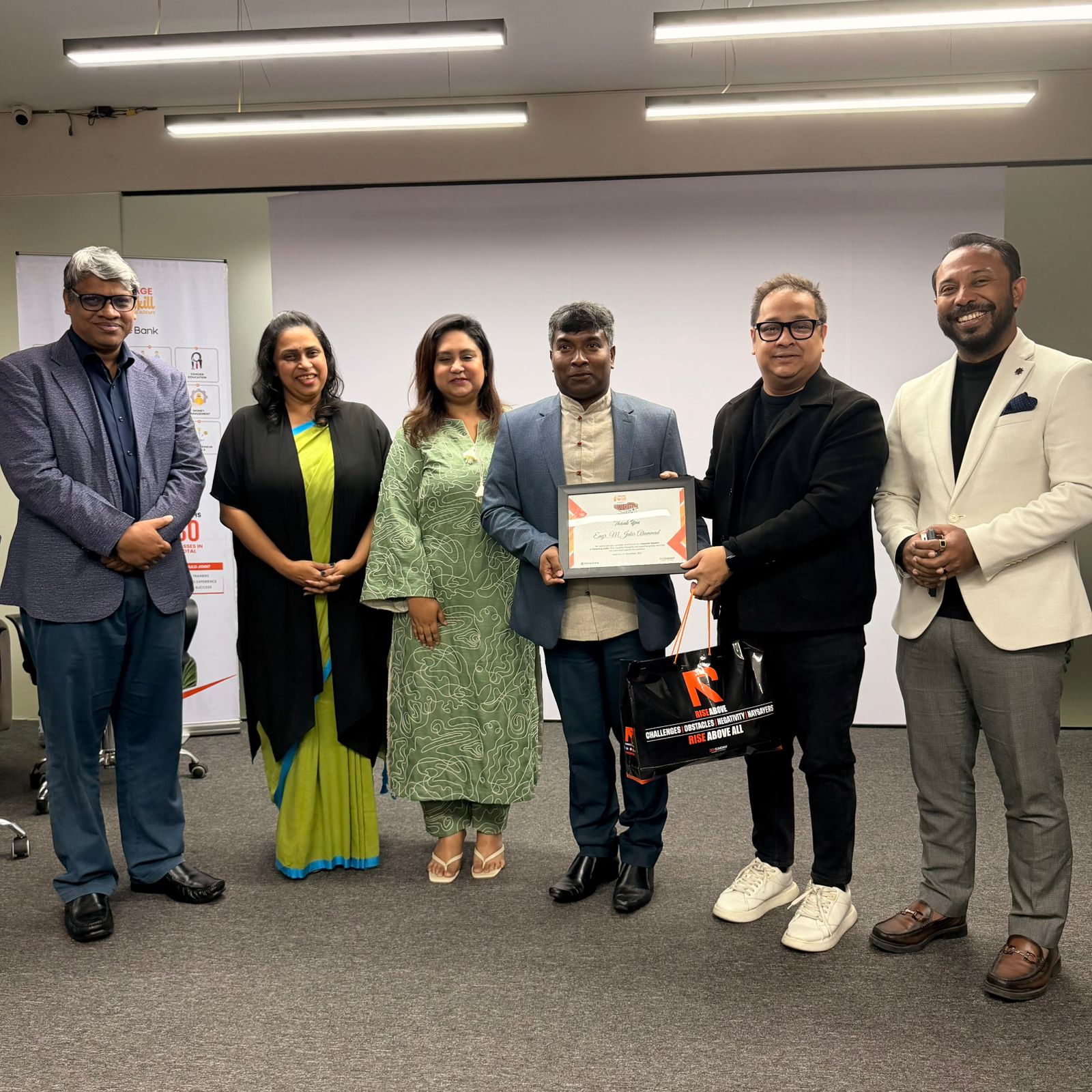
As a regular speaker for various private universities, his lecture topics range from financial derivatives and Investment strategies to ship management and organizational behaviour.
He completed his Bachelors in Accounting and Finance from University of West London (formerly TVU) and went on to complete his Masters in International Management (Finance), from King’s College London, University of London. Tanjil is an active member of BBC Film Society and King’s College Business Society. He is also a keen golfer and has achieved many laurels in this sporting arena. Recently, In an interview with IBT, Tanjil shared the story behind East Coast Group’s involvement in the Oil and Energy sector as well as their sponsorship of the first Bangladeshi WRC Rally Team which won the (DDFT) World Rally Championships 2015.
Q What’s the story behind your involvement in the Oil and Energy sector in Bangladesh?
We’ve been active in the Oil & Energy sector for the last 35 years where we have been growing at a steady rate since the company’s inception. We have made expansions and we have diversified strategically, but we have never strayed from our core business strategy, which is to be a technology based policy driven company. At the heart of everything in East Coast Group, there has always been oil and energy or hydrocarbons and downstream petroleum. The area of downstream petroleum is very technical and capital/infrastructure intensive so there is a inherent industry barrier to entry from automation and investments. Most of our products are aimed at a niche market (high quality) but there is a premium available from this market, which is why we are there. We can also proudly say that we are privileged to be the alliance partners for ExxonMobil and because of the goodwill we’ve earned through our activities we control the supplies not only in the Bangladesh market but also in the Nepal and Myanmar markets.
Alongside blending MOBIL and ESSO lubricants; we have our own brand as well, which is called Omera and we follow the same philosophy with it. Our whole production mix is targeted towards creating something on an alleviated level. Our factories also adhere to strict SHE compliances which is part of our corporate heritage. Omera’s story started 5 years ago in Bangladesh when there was boom in CNG demand. The Government changed their legislations, they started encouraging investments in this area and made the import of CNG products tax free. However, it was still a very backwards technology and was discouraged all over the world due to the fact that CNG run vehicles depreciate at a very high rate. Even Mobil discontinued their line at the time but we spoke to them and informed them of the huge demand here in Bangladesh. To this Mobil suggested that we produce it ourselves with their help.
As time progressed we started thinking of developing our own brand with our own resources and expertise. We started with a few limited ranges, obviously not cannibalizing our own products, but positioning them in areas where Mobil was absent. Through this our flagship product, Omera Lube 1 was born which was the first synthetic-technology product made in Bangladesh. By that time we already had two percent of the market share,we re-branded entire look of the productand started exploring frontier markets to export our products.
Q How did East Coast Group’s partnership with ExxonMobil come about?
My father was a first generation businessman in Bangladesh who had always wanted to get involved in the oil business even though he was an English Literature student from Dhaka University. He began his career as a civil servant as a magistrate and then realized he was meant to do greater things. It all started with oil chartering from Chittagong first, we then expanded from there. When Mobil first came to Bangladesh, the oil sector here still wasn’t privatized yet so the only way they could enter the country was through one of the national oil companies. They started collaborating with Jamuna Oil Company which led to the formation of Mobil Jamuna Lubricants Limited. Afterwards Exxon merged with Mobil and at that point ExxonMobil decided to divest their shares in Bangladesh. This is when East Coast Group entered the picture and offered to take over their operations for them. Two years after this we achieved our first profits and declared dividends. My father achieved all this through his adamant beliefs in automation, technological advancement and investing in human resources. He had convinced the board to invest heavily on R&D and overseas training.
Q What are your thoughts on the energy scenario in Bangladesh? What is East Coast Group doing to bring about a change in the current situation in the country?
The Government has taken a very encouraging stance regarding energy security. A lot of projects related to energy and infrastructure have been fast-tracked, the benefits of which the general public will get in three years. Other sectors in the economy will do well because of the private sector’s entrepreneurial drive but some encouragement will be required from the Government. So, they need to take on the initiative to provide the right support in this regard. In 5 years time, Bangladesh will be unrecognizable because of the changes taking place. However, for this to happen, it is imperative that we have a stable political regime.
In terms of energy we have to look at things carefully especially because it might affect the environment. We need a diversified but safe energy mix. Nuclear energy can be in that basket depending on how mature and developed we are, as mishandling it might be disastrous. Going for cleaner and more efficient forms of energy like Liquefied Petroleum Gas (LPG) would be the right option. Our company is the largest LPG operator in Bangladesh right now. It’s our biggest project so far and it will be huge in Bangladesh in the future. A lot of households in our country are misusing natural gas by burning it for cooking whereas it should only be used for productive purposes. It’s time for us to discourage this and to also discourage CNG conversion for cars. LPG is a far more efficient and reasonable option as, not only is there no accelerated depreciation but the conversion kits are cheaper and the cylinders don’t take up extra boot space.
The response so far regarding our LPG production has been overwhelming. Now we are looking to expand even further. We have two spheres and four locations for production in four corners of Bangladesh. We are producing our own cylinders as well. We’re the only company in the country who own a self propelled LPG barge which we’ve named MT ‘Omera Princess’.

Q The WRC Team has become the first Bangladesh Rally Team to achieve a monumental victory in (DDFT) World Rally Championship 2015. As one of the sponsors, what’s your take on this and how did this whole thing come about?
Regardless of our success with Omera we had problems in trying to penetrate the European markets.Since our products are made in Bangladesh, there is this stigma that it might be inferior. We had a major achievement where BMW, Kia and Mini Cooper approved of Omera Lube 1 as their preferred brand of oil for long life. Even with this huge achievement we still couldn’t get into the European markets. Then it caught my attention that every global oil company is involved in motorsports.
Being a Formula 1 enthusiast, I go to different countries to watch it whenever I can. During these times I have spoken to technicians and these experiences made me understand that what happens there goes way beyond just sponsorship. It’s more like product development in the sense that it will make you push the barriers of technology to come up with something better. The science behind all of this caught my attention but I realized it wasn’t something that would be economically viable for Bangladeshi companies.
I spoke with one of our Norwegian business partners whom we met through our wood treatment company, Nordic Woods Ltd. and I told him about my interest in this regard. He then suggested that we get involved with the WRC. He knew a good driver named Marius Aasen, whom we got in touch with. We spoke to him about our plans and agreed to become his major sponsors. He did well throughout the first few years of our collaboration so we stuck with him but then this year he reached the pinnacle of his achievements. He won two Championships along with the DDFT World Rally Championship 2015 where he won the Drive DMACK Fiesta Trophy with his co-driver Veronica Engan. We spoke to the FIA, who are the regulators for the WRC rallies, and asked them if we could put the Bangladeshi flag on the car as we were the major sponsors. Initially they weren’t being compliant but later they agreed to let us put both the Bangladeshi and Norwegian flags on the car. It was an extremely proud moment for us that they won the championship and that we could have a car there with our country’s flag on it. Since then the response has been great and we’ve been getting more queries from foreign buyers regarding our products.