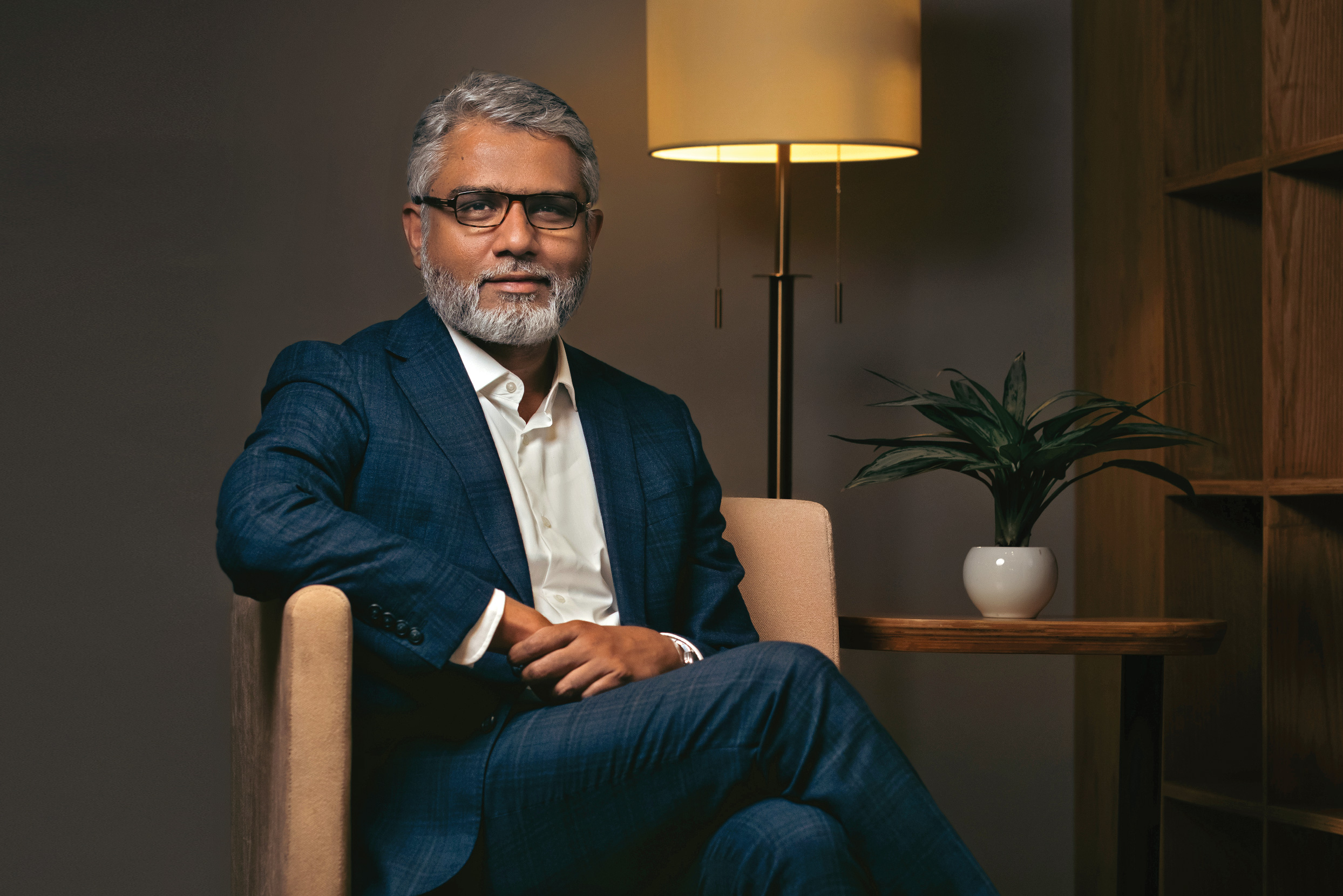
Dr. Wong Chiung Ing
Senior Consultant
Medical Oncology Parkway Cancer Centre, Singapore
You specialize in breast cancer and gynecological cancer. Of the two, what kind of cancer would you say is the most prevalent in South-Asia now?
For women, breast cancer is the most prevalent and not just in South-Asia but across the world. It usually accounts for 25%-30% of all cancers in women. On the other hand, gynecological cancer mostly occurs in the following regions: uterus, cervix, ovarian and primary peritoneal (the layer of tissue covering the intestines). This probably accounts for 10-20% of all the cancers. Other than this there is obviously lung, colon and other forms of cancer that women are exposed to. In other words, breast and gynecological cancer account for 40% of cancer in women. However, breast cancer is still the greatest threat to women.
Which patients are the most susceptible to breast and gynecological cancers?
The reason behind the high occurrence of breast cancer in women is simply that breast cancer is stimulated through hormones. There are several non-modifiable and modifiable factors which contributes to the greater risk of breast cancer too. Non-modifiable factors include age, family history and so on. Unfortunately, with age, the chances of getting any form of cancer are higher. While for women its breast cancer, for men its prostate cancer, which is also hormone stimulated. Family history is another form of non-modifiable factors. Gene mutations such as the BRCA mutation is unchangeable. If there is a family history of cancer than there is little one can do other than being vigilant about it and try to control the modifiable factors.
While modifiable factors include factors such as obesity, lifestyle choices such as exercising and alcohol intake also influences the chances of getting cancer. An obese person is at higher risk of getting cancer as they are more likely to have greater quantities of hormones in their body due to their size. I must state that being obese is not a ticket to exposing yourself to cancer, but rather an individual is more predisposed to it. In short, your lifestyle choices say a lot about your chances of getting cancer.
What would you say is the most effective way to treat a patient suffering from either breast or gynecological cancer?
Prevention is always better than cure, wouldn’t you say? So try to keep a tab on the factors that can be modified. Control your alcohol intake, eat less red meat and keep your weight in check by having an active lifestyle. This will definitely reduce your risk of getting ill. But prevention doesn’t end there, it is important to vigilant about your screenings. Simply because the earlier stage cancer is detected, the higher the chance of curing it. While screening programs are not widely available in Bangladesh, in Singapore we encourage patients to get a mammogram every year when they hit 40, until they reach 50. From then on its every two years until you’re 70-75 years of age.
Having said that, women need to carry out routine self-examination one week after menstruation. These examinations can be done either in the shower on lying down on the breast and armpit region and if you feel that there’s a lump then immediately have that checked. As I have said before, the quicker the detection of cancer, the higher the success rate of curing it.
If you had one health-related advice as an oncologist, what would it be?
Again I would say prevention is much better than cure. Screening is very important, be vigilant about your symptoms and finally try to maintain a healthy lifestyle. These three are my topic advice to all readers. Nonetheless, if you are diagnosed with cancer, please remember that there are effective cures available and it is not the end of the world.
What is the most challenging part of working as an oncologist?
The most challenging aspect of being an oncologist is seeing young patients and unfortunately, we are seeing younger and younger patients being diagnosed with cancer. However, at the same time, we now have more effective treatment through which we can prolong the life of the patients even when they are metastatic. So I cannot emphasize enough the importance of screening and early detection.
So the most taxing part is to talk about this journey with my patients. Surprisingly, it is also the most fulfilling part of working as an oncologist. Its rewarding in the sense that I see some of my patients bravely overcome this disease and move on with their lives. I have had some of my younger patients fight cancer and then get into universities. And sometimes when there’s nothing more to be done for the patient, I am glad that I am there to hold their hands, to be able to provide any form of comfort to them.
As a doctor, you are constantly balancing your emotions and your professional sides as both are needed in my field of work. It is certainly the most challenging part for me as I have realized that you cannot be a good doctor if you don’t have empathy for your patients.
You have quoted John Diamond in saying, ‘Cancer is a word, not a sentence’. The quote stands for different things for different people. What does this quote mean for you?
Many people, after being diagnosed with cancer interpret it as a death sentence but I am here to tell them that cancer is just a word. And with the correct diagnosis and effective treatment we can make this chronic disease a curative disease. This is especially true for those cancers that are spotted in the early stages.
I often see patients lose all hope just with the initial diagnosis of cancer, its as if their lives crumble. I feel that this largely due to the huge misconception surrounding this disease. For instance, patients might be hesitant about a biopsy as they think that sticking a needle into the mass would make cancer spread everywhere, which is absolutely not true! So let me reiterate, if we detect it early we can provide a more effective treatment.
The chance of being cured of cancer, be it lung, colon, gynecological, at the first stage is more than 90%. The number declines with the stages but even at stage two and three we are still looking at a success rate of 50-70%. The lowest would be for metastatic cancer where the survival rates are at 5%. In other words, we would always encourage you to give the treatment a shot.