
Designing diversified jute products
By Monowarul Islam
Jute is a symbol of our national pride. The long history and culture of the Bengali nation are inseparably ingrained in jute and it has played a colossal role in the economic development of Bangladesh.
The global environment consciousness is increasing demand for diversified jute products day by day. Jute is being used increasingly in rigid packaging and reinforced plastic and is replacing wood in pulp and paper. Jute and jute products are environmental friendly easy deposable natural fiber. Application of jute and jute products are not only environmentally friendly, it also helps to protect the environment from ecological degradation. With the growing awareness for a pollution free environment, world opinion is shifting towards the increased use of natural products.
Significance of the Jute Sector in Bangladesh Economy
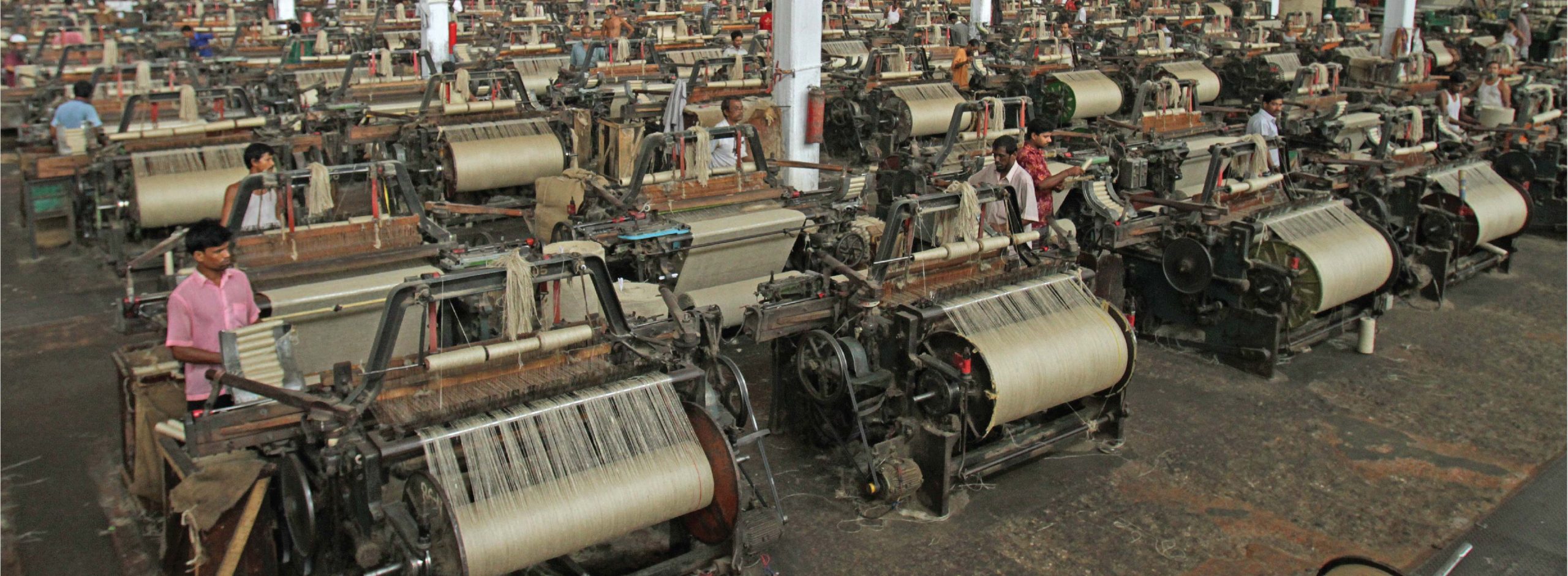
Presently around 35 million people in Bangladesh (20% of the total population) are directly or indirectly involved with the production, processing and marketing of jute products in the sector. Bangladesh exports almost 60-95% of the total jute and jute products of the world market and thus earns around 2,000 crores in foreign currencies on an average, each year.
The most important and potent factor of the jute industry in Bangladesh is that all its raw materials are produced inside the country. This reduces our reliance on imported raw materials for this sector. The jutes produced in Bangladesh are superior in terms of its quality, compared to those produced elsewhere, due to climatic and environmental factors favorable for jute production. In the year 2010, scientists in Bangladesh invented the genome sequence of jute. This contribution of Bangladesh in the field of jute research received wholehearted appreciation across the globe. As a result of this invention multidimensional prospects and opportunities relating to jute industry are being generated.
Design Development and Diversification of Jute Products
As the world’s second largest producer as well as the leading producer of high-quality jute, Bangladesh has a unique advantage in natural resource for producing diversified jute products. With its advantage in labor costs compared to India and China along with its existing export infrastructure, Bangladesh has the potential to become an attractive manufacturing hub for diversified jute products.
In order to keep our jute industry blooming, diversification is desperately needed to meet the increasing demand of diversified and innovative products globally. The challenges for future success in this area lie in the swift development of product designs and market linkages.
What to do
The government of Bangladesh through the Ministry of Textiles and Jute set up the Jute Diversification Promotion Centre (JDPC) which was created with the vision of reviving the jute sector through the expansion of the uses of jute by vertical and horizontal diversification, thereby improving the socio-economic conditions of all the people directly and indirectly involved in the jute sector. Strengthening JDPC with the following initiatives are most essential for its expansion.
1. One stop solution center: A one stop solution center has to be established at Jute Diversified Promotion Centre (JDPC), so that the entrepreneurs can avail overall services from a common platform relating to improvements in design, product promotion, machinery, colors and so on. This one stop solution center will also act as an Information Sharing Centre to provide design related essential services, support and guidance to the entrepreneurs. This center would instantly ensure the flow of required information on the relevant subjects.
2. Establishing Design lab: A highly sophisticated design lab and design bank has to be established at the JDPC in which contemporary as well as old designs would be collected and preserved apart from inventing new designs. A color bank has to be established and color specific services would be provided along with the design lab.
3. Research and Development Unit: A design related modern Research and Development Unit has to be established at JDPC. Efficient and skilled designers have to develop through adequate and quality trainings besides precisely defining the training contents and focus. Regular study and research on design as well as call for research papers should be conducted at JDPC’s initiative.
4. Capacity building of designers: Fulltime designers have to be appointed in government institutions relating to jute industry so that they can provide relevant support to the entrepreneurs. Persons working constantly on design including those in arts and crafts departments of different educational institutions can become involved in the design processes of diversified jute products. Capacity building of the existing Design Section of JDPC must also be increased.
With the objective of imparting design development trainings to designers and entrepreneurs throughout the year, a Training Calendar should be initiated and developed by JDPC. It would also invite new and contemporary designs from the designers and entrepreneurs against each and every item of the diverse jute products, throughout the year.
5. Exhibitions, Campaigns and awareness events: Design related competitions, workshops; seminars and so on have to be organized by JDPC on a regular basis throughout the year. Extensive campaign and awareness raising activities have to be undertaken at national and international levels concerning the use of diverse jute products. JDPC should also organize design exhibitions on a regular basis, besides recognizing and rewarding the quality and sophisticated designs to encourage designers so that they create more worthy and modernized designs in the future.
The new generation should be targeted for use of diverse jute products and the items should be produced and designed keeping in view their particular demand and suitability.
6. Creating Central Design Institute: Also a Central Design Institute has to be established by JDPC.
7. Decentralization: Design related initiatives should not be Dhaka-centric only but decentralized and expanded throughout the country.
8. Forming design consultation groups: A design Consultation Group comprised of reputed designers of the country has to be created by JDPC so that they can provide relevant advice and support to the entrepreneurs. If necessary the international design consultants can also be involved with this process.
9. Using E-commerce and Social Media: An independent website has to be designed and implemented by JDPC for dissemination of all information relating to development and promotion of designs. Gathering ideas and information on different societies and cultures at home and abroad is extremely crucial for development and promotion of designs. Use of e-commerce mechanism should also be increased in order to expand the market of diverse jute products.
10. Uninterrupted supply of raw materials: JDPC should undertake initiative in this regard and ensure regular and uninterrupted supply of relevant raw materials for the required development and promotion of designs.
11. Branding and Copyright: Branding is very essential for any business development. Proper branding and marketing should be done to promote Bangladeshi jute and jute products in both domestic and international markets to enhance the growth of jute industry. Jute products should be designed specially on the occasion of various national days with a view to expanding their local market. Also, the production of various jute products as souvenirs which represent Bangladeshi culture and identity to the world community.
Copyright on innovative designs has to be ensured in order to establish designer’s or entrepreneur’s ownership on the concerned designs. Through this kind of initiatives a possibility of competitive design making and development would be encouraged.
12. Focusing on geo-textile: Bangladesh is facing the severe impacts of climate change including floods, river bank erosion, landslides, etc. In this regard, JGT might be the suitable copping or adaptation strategy. Jute as a geo-textile (JGT) is being used for soil erosion control, vegetation consolidation, agro-mulching, reinforcement, protection of river banks and embankments and in road pavement construction. JGT enables a cost reduction of almost 30-40% when used for reinforcing road construction due to its higher moisture retention capacity, ease of installation and superior flexibility.
Conclusion
Bangladesh is progressing by producing jute diversified products but it still need protected and improved. Rather than focusing on traditional jute products, we should understand the pulse of international market demand and act accordingly. Bangladesh should also focus on innovating a variety of jute products and thus encouragement and help for both government and private sector is needed.
Globally, a number of industries ranging from fashion to automobile to ship building have started to see new possibilities in jute. Diversified jute products are biodegradable, photo biodegradable, non-toxic, non-plastic, acidic, hydrophilic, have high absorption of UV capacity & moisture, eco-friendly and easily disposabile. These products not only help preserve the environment but also plays a great role in the country’s economic development.
The writer is the Senior Research and Communications Officer at the Bangladesh Centre for Advanced Studies (BCAS) and the Treasurer of IUCN Bangladesh National Committee.