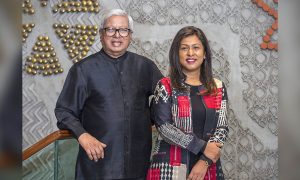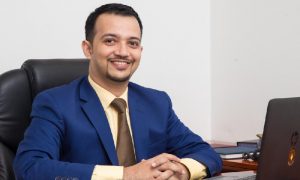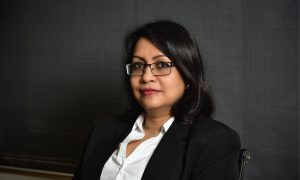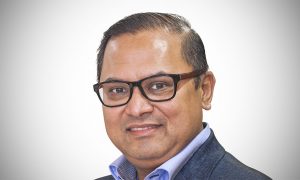

In 1952, a young Samson H. Chowdhury started looking after his father’s pharmacy in Pabna. He’d start Square Pharma with Dr. Kazi Harunur Rashid, Dr. PK Shaha, and Radha Binod Roy six years later; this would be the start of many first in Bangladesh. Today, Square Pharmaceuticals Ltd. is the most prominent name in the industry. They have been the largest pharma market holders since 1985, a testament to their unsurpassed quality in the nation. The conglomerate, however, does not limit itself to sheer size; they have been the trailblazers in the industry. Square pioneered the export market in Bangladesh, they constructed the first US FDA and UK MHRA approvable factory, obtained the ISO 9001:2000 certification, partnered with UNICEF as a global supplier and started insulin manufacturing maintaining stringent compliance standard. 2018 would be another benchmark year for the company as they became the first of any pharmaceutical company of Bangladesh to extend their reach on an international platform. Square Pharmaceuticals Kenya EPZ Ltd started construction early last month, marking the company’s reach in the East African Region (EAC). During this endeavor, Square became the first and only company in the nation to acquire transfer equity approval from Bangladesh Bank.
Square Pharmaceuticals is investing $80 million in Square Pharmaceuticals Kenya EPZ Ltd, and for their first phase, they are spending $20 million in creating a facility that can produce 2 billion tablets and capsules annually.
Checkmate: Understand the Board Before your Move
When considering the investment protocols, Square realized that Kenya would be the ideal investment region because it was untapped by larger manufacturers such as top Indian factories and MNC pharmaceutical countries. These companies are concerned with markets such as Europe, Japan, China and the US (the pharmaceutical market in the US is $240 billion alone). The growth in the EAC region is much less. Therefore, penetration of the market would be much easier and profitable. The entirety of Africa is $40 billion, and amongst that, the EAC region is above $2 billion markets; this has led Square to proceed in the area.
The market size of Bangladesh is nearly the same as Kenya ($2.4 billion). The British ruled Kenya from 1895, and the nation became independent in 1964. This dynamic has made Kenya’s infrastructure, political climate and legal structure very similar to those of Bangladesh. Furthermore, Kenya has grown at the same rate as Bangladesh; the Kenyan market is $745 million with a CAGR growth of 12% for the last five years; whereas Bangladesh’s CAGR is 17%. Both nations are developing at a relatively similar rate.

From left High Commissioner of Bangladesh to Kenya H. E. Maj. Gen. Abul Kalam Mohammad Humayun Kabir, Tapan Chowdhury and Adan Mohammad inaugurating the groundbreaking ceremony.
The Investment Initiative: Turn where Favorable
Square Pharmaceuticals considered a few options when they were expanding; these countries included Kenya, Ethiopia, Tanzania, and Uganda. Kenya was the most investment-friendly environment amongst these nations, and the repatriation dividends are the easiest. In the EAC and COMESA countries, Kenya has the most robust manufacturing base. Pharmaceutical products do not follow the MRP guidelines that are implemented in Bangladesh. Hence there is no fixed price for the product.
Also, the different donor agencies and World Bank want to start the idea of making products in Africa for Africa. They are pushing the Vigorous Competition Policy in Africa to create a more self-sufficient continent, after a study they conducted found that 70% of African nations are amongst the globe’s lowest regarding local competition and on the existence of fundamentals for market-based competition. Local products are subject to preference; any product by local tenders will receive a 15% discount. Hypothetically, the preference cost allows a $100 product to come down to $85. On the hand this incentive is not given to imported products, leading that cost to be just the same. Additionally World Bank, donor agencies and the Government of Kenya have created a Pharmaceutical Development Plan which strives to create an environment of efficiency and self-sustainability.
This incentive has led square to construct their factory in the Athi River EPZ. The company will be able to market products at a reasonable price because they have to establish themselves in an EPZ that is specialized in exporting. Square will receive tax, revenue, power, treatment plant and water incentives which in turn subsides the cost of manufacturing. These benefits are considered for any of the EAC member countries and beyond. Local manufacturers can expand their export on the same scale to South Africa, the old CFA countries and Europe which leads to the possibility for a much more significant market.
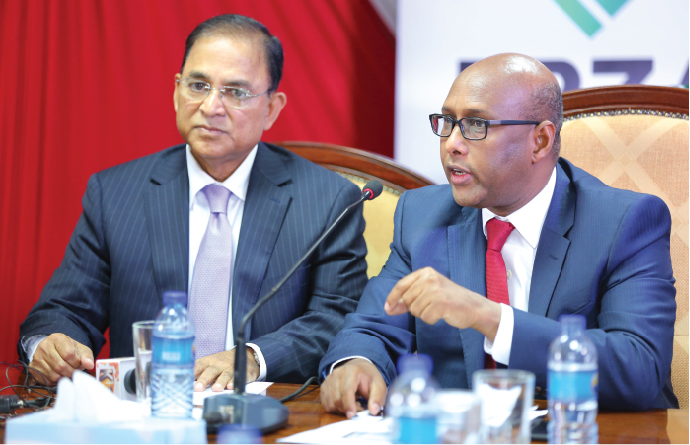
Tapan Chowdhury, Managing Director of Square Pharmaceuticals Ltd. and Adan Mohammed, Cabinet Secretary for Ministry of Industry, Trade and the Cooperatives Republic of Kenya were addressing dignitaries and press on Square’s investment in Kenya.
Gradual Steps Towards a Longer Stride
Square Pharmaceuticals is investing $80 million in Square Pharmaceuticals Kenya EPZ Ltd, and for their first phase, they are spending $20 million in creating a facility that can produce 2 billion tablets and capsules annually. Square Pharmaceutical will start with solid dosage forms such as tablets and capsules. They believe that penetration through a high entry barrier products such as difficult to make and sustained release solid products will ensure that the region recognizes Square Pharmaceuticals as a manufacturer of quality products.
They will continue to liquid and sterile medications such as injection and infusions. Sterile products manufacturing units are rare in Africa. The challenge with sterile products is that the facilities, manufacturing process, and products are expensive. Additionally, there are meticulous regulations while producing sterile products. Square Pharmaceuticals has this edge given that they have been in the sterile production line for the past 33 years. They have been the top manufacturers of sterile products in the nation for the last 25 years. The company has also applied for US FDA approval for their sterile line which they are confident to obtain, succeeding the USFDA inspection later in the year. Their years of expertise allow them to commence with sterile products during their second phase. The third phase of their production will involve liquid dosages. These are the most commonly produced medicines amongst the 23 local manufacturers in Kenya.
The Detail in Demographic
When expanding a market, it involves reflecting on one’s critical demographic. Square Pharmaceuticals is specializing in non-communicable disease medicines given the changing disease trends in Bangladesh. The country has made strides in treating communicable diseases such as tuberculosis and malaria. There is a prevalence of the waterborne disease such as cholera and diarrhea which are also preventable. Bangladesh is now moving towards a higher rate of non-communicable (NCD) disease as life expectancy increases to 70 years of age. With the higher age expectancy, the risk of diabetes, cardiovascular diseases, hypertension, and Alzheimer’s is prevalent. According to the World Bank, NCD accounted for 66.9% of death in 2015 compared to 43.4% in 2005.
Kenya is witnessing the same trend, where NCD has increased from 20.9% to 33.4% of deaths (51% of whom are under 70) during the same period. NCDs account for 50% of inpatient admissions and 40% of hospital deaths in the country. Obesity alone is apparent in 18% of children and 9% of adults. The dietary risks, inactivity, and changes in lipid profile in the region lead to a higher rate of cardiovascular diseases, and hypertension. Moreover, as life expectancy in the nation has increased to 62 years of age, the occurrence of dementia and other CNS diseases will rise. This NCD trend is estimated to double when Square Pharmaceuticals starts manufacturing in 2020, and the company plans to launch with a high-quality yield of these drugs to build trust in the market.
2018 would be another benchmark year for the company as they became the first of any pharmaceutical company of Bangladesh to extend their reach on an international platform. Square Pharmaceuticals Kenya EPZ Ltd started construction early last month, marking the company’s reach in the East African Region (EAC).
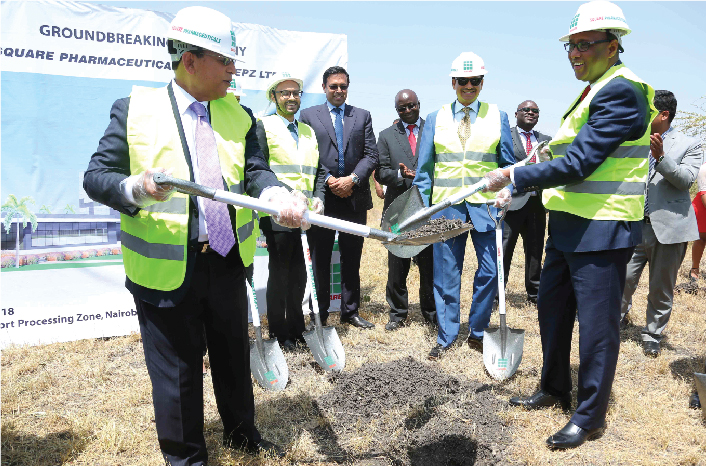
Tapan Chowdhury, Managing Director of Square Pharmaceuticals Ltd. and Adan Mohammed, Cabinet Secretary for Ministry of Industry, Trade and the Cooperatives Republic of Kenya at plant construction area after the groundbreaking event.
Success Starts with What You Know
The pharmaceutical giant has 42 countries under its belt, and they attribute that to quality medicines at an affordable price. Square Pharmaceuticals understands that stability in the retail market starts with price strategy, promotional strategy and distribution channels that make medicine affordable and in turn acceptable. The company’s R&D and manufacturing pipelines also follow the direction of disease trends. Their work in the generic field entails reverse engineering of drugs to rediscover a drug and create a product that is bioequivalent with the same inherent properties. Square Pharmaceuticals comes up with the latest drugs in hypertension, diabetes or any other disease in sync with global R&D. It is this dedication to growth that has led to making insulin and having insulin analogs as well as other biosimilars in Bangladesh.
They are taking this expertise into the Kenyan context and working with local agencies to instill capacity building. The African belt has pharmacists in hospital pharmacies and dispensing pharmacies. The pharmaceutical education in the region is also geared towards that sector. On the other hand, the pharmaceutical companies in Bangladesh specialize in the technical and manufacturing aspect. Before the completion of the factory, Square Pharmaceuticals plans to hold seminars and capacity building activities to train professionally to address this gap. They understand that skilled human resource is integral to any line. Ultimately, the company strives to help the Kenyan government move towards a declined dependency on imports and donor agencies.