“Now with the help of the government, and proper planning, we have successfully provided treatment facilities, especially All medicines to patients who are admitted, free of cost.”
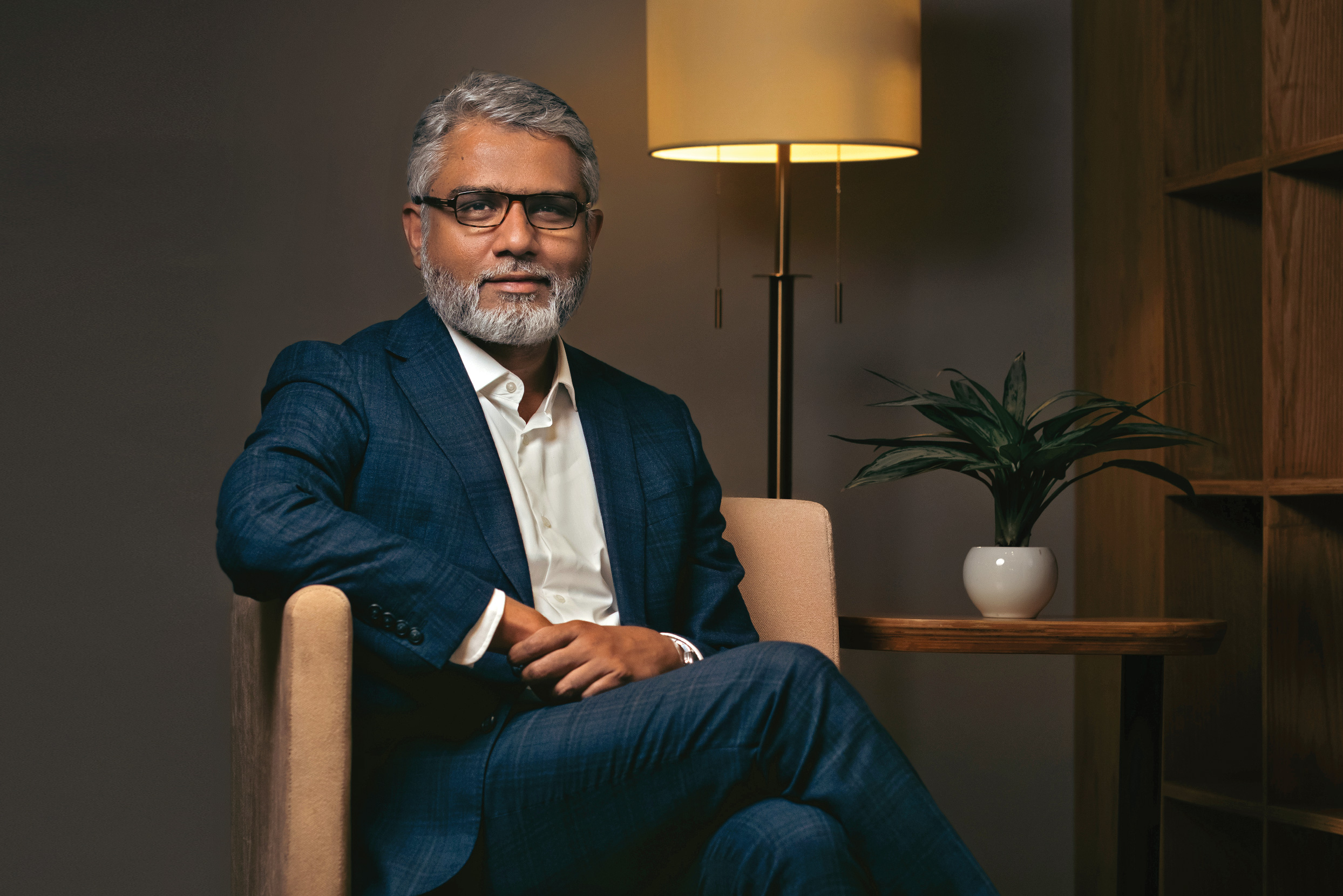
Brig. Gen. Dr. Md Mizanur Rahman has earned some distinguished degrees including Masters in Public Health from BSMMU, Hospital Management from Armed Forces Medical College and Quality Management Course from Heidelberg University, Germany, which have allowed him to prosper in a number of hospital management and medical education establishments. After completing his MBBS from Dhaka Medical College, he joined the Army Medical Core in 1988. He was promoted to his current rank in 2011.
During his illustrious career, Rahman has served as the Commandant and Chief Instructor of Army Medical Corps Center & School, the Director of Medical Services at Army Headquarters and Head of Medical Branch of Jessore Division. He is a two-time recipient of the Health Minister’s National Award for his dynamic leadership in hospital management during his stints as the Director in Sylhet Medical College and Dhaka Medical College. He has also served in various international missions. During the UN Mission in Ivory Coast, he received a Letter of Appreciation from the Course Commander for saving the life of a soldier in the battlefield. He received another Letter of Appreciation from the Director General of Malaysian Armed Forces for his courageous role during the deputation.
Rahman was entrusted to establish Army Medical Colleges and Nursing Institutes in Comilla, Chittagong, Bogra, Rangpur and Jessore, a task that he has completed with considerable success.
What is the condition of healthcare service in Bangladesh?
We have come a long way when it comes to providing healthcare to the masses. Bangladesh is a densely populated country and the demand for healthcare is increasing by leaps and bounds. There are certain factors, which ushered the much-needed change. One of them is technological advancement. As you know, according to public health trends, communicable diseases are decreasing, making places for more non-communicable diseases. The reason behind is lifestyle choices people make these days. Since the overall economic condition of the country is better, people have more purchasing power, be it consumer goods or health services. Also, with the advent of the internet, they are now digitally enlightened with much information about almost all types of diseases. Due to the developed transportation system, people who are affluent now travel abroad for treatment purposes. Now comes the question of how many people can actually have access to modern treatment facilities. I would say, there is definitely room for improvement, but we must acknowledge the government as well as the private sector for achieving certain milestones in the healthcare service industry.
Health service is not a low hanging fruit to those who live under the poverty line. For many of them, receiving appropriate intervention on time is like reaching for the stars. The government has taken initiatives to spread the facilities from the tertiary to the community level but there are resource constraints. Private hospitals are there but not affordable to many. Therefore, the pinch of demand-supply gap has been palpable throughout the whole time.
Tell us something about DMCH. This is like a center of hope for thousands of people coming from different parts of the country.
Dhaka Medical College Hospital has been rendering immense support to the ailing population of Bangladesh since its inception. There was a time when we couldn’t offer too many choices due to the lack of infrastructure and resources. Now with the help of government, and proper planning, we have successfully provided treatment facilities, especially medicines to almost all who are admitted, free of cost. 15-18 types of antibiotics, even expensive injectable antibiotics are being given to our patients. When I was a student, we wanted to provide facilities like C-section surgeries for free, something which has now been made available. This is highly satisfactory. Even since I have joined, we tried to come up with a strategy that allows us to solve one problem at a time. For example, we decided that none of the patients should buy a cannula, a must-needed medical appliance for injecting fluids or medicine. We are successful in ensuring the availability of cannula for all of our patients. Similar successes have been replicated in supplying tools like gauge, infusion fluid, medicine, suture materials, etc. These initiatives require supervision as well as motivation. We wanted to remain vigilant to reduce pilferage. With the budget that has been allocated, we have managed to achieve this. The government provides me with a budget that can serve 2,600 admitted patients; whereas if you look at the charts, you will find as of today, we have 3,700 patients admitted. Since there are always an excess number of patients, sometimes we cannot provide very expensive (oncology) medicines for free. Nevertheless, we have created Patients Welfare Society with funds from charity and CSR operations from different private companies. An amount of Tk 8-10 lac is generated through that fund every month. That money is used for patients who cannot pay for their diagnostic tests or medicine.
Every day approximately 8,000 patients are being served in this hospital including those who come to the outpatient departments. As a whole, this hospital experiences a footfall of 40,000 people every day. Now, in large congregations such as this, some people will have ill motives. That results in unexpected events regarding patient compliance. We are working on those issues too.
Now comes the question of whether we are ensuring quality treatments to all these patients. Honestly speaking, none of the patients deserve to lie on the floor of a hospital ward; but due to space constraints, we have to accommodate them some way or the other. To solve that problem, we need to make our primary level hospitals self-reliant with adequate resources and better management. A patient from Rangpur doesn’t want to travel all the way to Dhaka when he has an opportunity to get similar treatments in his home district. By doing so, we will decrease the number of referral cases and eventually Dhaka Medical College Hospital will be able to provide quality treatment. Nevertheless, the government has realized the problem and is trying to supply all these facilities to the peripheral health complexes but it will require time. Fund allocation is another area where we need to think seriously. Only 0.7% of our GDP is allocated in the health sector. If we look at developed countries, this is 6-7%. Even if we can provide 2% of our GDP, the sector would enjoy a facelift.
It was possible for us to achieve the Millennium Development Goals because those required interventions that are less expensive. Now to make them sustainable, as proposed by the Sustainable Development Goals (SDGs), we need greater funding.
Do you agree that there is a lack of transparency, resulting in corruption in your hospital?
I would beg to differ. We buy products through open tender method. Wherever I have worked, I have adhered to the regulations prescribed by the organization, and there is no controversy of this sort. However, as per the purchase guidelines, we are supposed to take it from the lowest bidder. Sometimes that puts us in a difficult position since the least expensive one may lack in quality. In that situation, we seek help from technical evaluation committee. Purchasing something, which will not serve our purpose, doesn’t make any sense, and I have always discouraged for such purchases. When we reject something like this, we have always given clarification about the reason.
What about standardization of hospitals? Is there enough manpower to check and balance?
The concerned departments of the government are working in this regard but we do have a lack of manpower in this sector. It’s not always possible for a small group of people working in that area to check all the mushrooming hospitals here and there. Yet, they have been trying to render better services, within their limitations.
Where do you want to see Dhaka Medical College in future?
I would like to see this institution develop as a center of excellence. Patients should leave this place smiling. We would like to ensure all sorts of facilities for them. The casualty department needs to be more developed. This department has been giving relentless support whenever there have been any accidents, incidents, etc. The number of patients with head injuries has increased drastically due to more frequent road traffic accidents. We have been working on a project to establish a Trauma Center and Neurosurgery Center to cater to all the patients. We have proposed to build a new establishment, which would be well equipped technically and logistically, which Prime Minister’s office has approved already. This is a century old building, and hence, sewerage system cannot take the load of the excess patients.
There is also a shortage of nurses as well as employees. Some of those who are working require training, as well. We have been working in that sector. For example, we have given waste management training to all those employees. Also, we have been trying to motivate our doctors and nurses, to show enough empathy that patients have no doubt about their dedication.