“It’s very important that USAID, representing the American people, continue to work with the people of Bangladesh to ensure the attainment of those SDGs.”
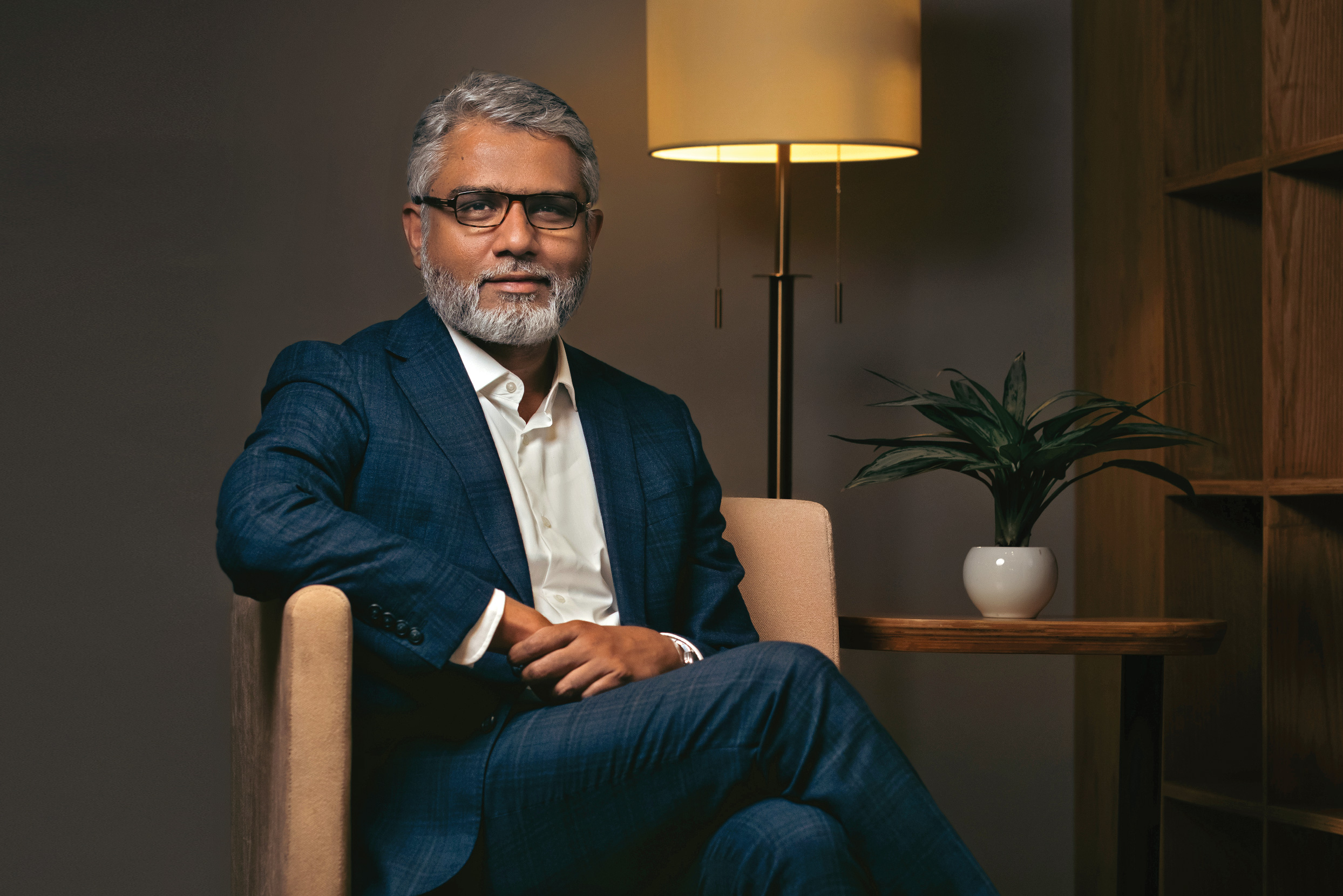
With more than 30 years of service in the US Army, Alfonso Lenhardt retired in 1997 as Major General. He served as Executive Vice President and Chief Operating Officer of the Council on Foundations from 1997 to 2001.In 2001, he was appointed the 36th Sergeant at Arms and Doorkeeper of the US Senate and became the first African American to serve as an officer of the Congress.
Most recently he served as the US Ambassador to the United Republic of Tanzania, a position he held from 2009 to 2013. From 2004 to 2009, he was the President and CEO of the nonprofit National Crime Prevention Council (NCPC). He was the Senior Vice President of Government Relations for The Shaw Group from 2003 to 2004. Ambassador Lenhardt received a B.S. from the University of Nebraska, an M.P.A. from Central Michigan University, an M.S. from Wichita State University, and post-graduate studies at the Kennedy School of Government, Harvard University, and University of Michigan School of Business. He is also a graduate of the Federal Bureau of Investigation National Academy.
Bangladesh has received the US support in almost all sectors related to the Millennium Development Goals (MDGs) that will expire by the end of this year.
Promoting democratic institutions and practices, economic opportunity, effective health and education services, food security, responsiveness to climate change, and preparedness and response to natural disasters are some of the key areas of those support. The US government, through its development agency USAID, has provided over $6 billion in development assistance to Bangladesh since 1971.
The global leaders are set to adopt the new development goals in the September UN General Assembly for the next 15 years. Can Bangladesh count on the US support for the next 15 years to promote shared economic prosperity, social development, and environmental protection?
“Absolutely”, the Acting Administrator of the USAID Alfonso Lenhardt replied instantly. “We have been solid partners of the people of Bangladesh for 44 years now and that’s something we will continue, that’s not going to change,” he said.
This was his first visit to Bangladesh, August 28 to August 31, after becoming the Acting Administrator of the US’s development agency in February this year when Rajiv Shah stepped down as Administrator. “We are committed. American people are committed to Bangladesh,” he said.
“It’s very important that USAID, representing the American people, continue to work with the people of Bangladesh to ensure the attainment of those SDGs”.
He said their goal was to get Bangladesh up to a middle-income status country “as quickly as possible”.
During his visit, he saw US-aided projects even in remote village in southern Bagerhat, and met the ministers for foreign affairs, agriculture, environment and forest, among others. He said his visit had been a “very positive” one, from which he would take back to Washington his experiences so that “we can think about ways to continue to support this country”.
“I am impressed to see the ongoing programmes,” he said, as those were “moving towards a right direction and positive way”. He met the foreign minister Abul Hassan Mahmood Ali and, according to the foreign ministry, congratulated the government on accomplishing “enviable successes” in attaining many of the MDG goals, particularly in the areas of health and women empowerment, the foreign ministry said.
The administrator even stressed on the saving of Tigers in his meeting with the minister for environment and forest. He said Tiger was a “great symbol” of Bengal, but reports showed its populations was declining. “That’s a concern because it’s part of the rich heritage of this country. So we must conserve that animal,” he said.
On his visit experiences, Lenhardt said he was pleased to see that the USAID continued to provide the kind of support the Bangladesh government and its people needed. “The purpose is American people are reaching out to the Bangladeshi people,” he said, adding that their programmes in Bangladesh had been “appreciated, understood and supported by the government”. “We are making contribution across the board,” he said.
The USAID supported some major programmes related to maternal and child health, family planning and nutrition, which were related to MDGs. He lauded Bangladesh’s successes in those fields and said “the future is very bright one for this country”.