“If we are in denial about the level of corruption in our country, the situation will further deteriorate which will worsen our nation’s branding prospects.”
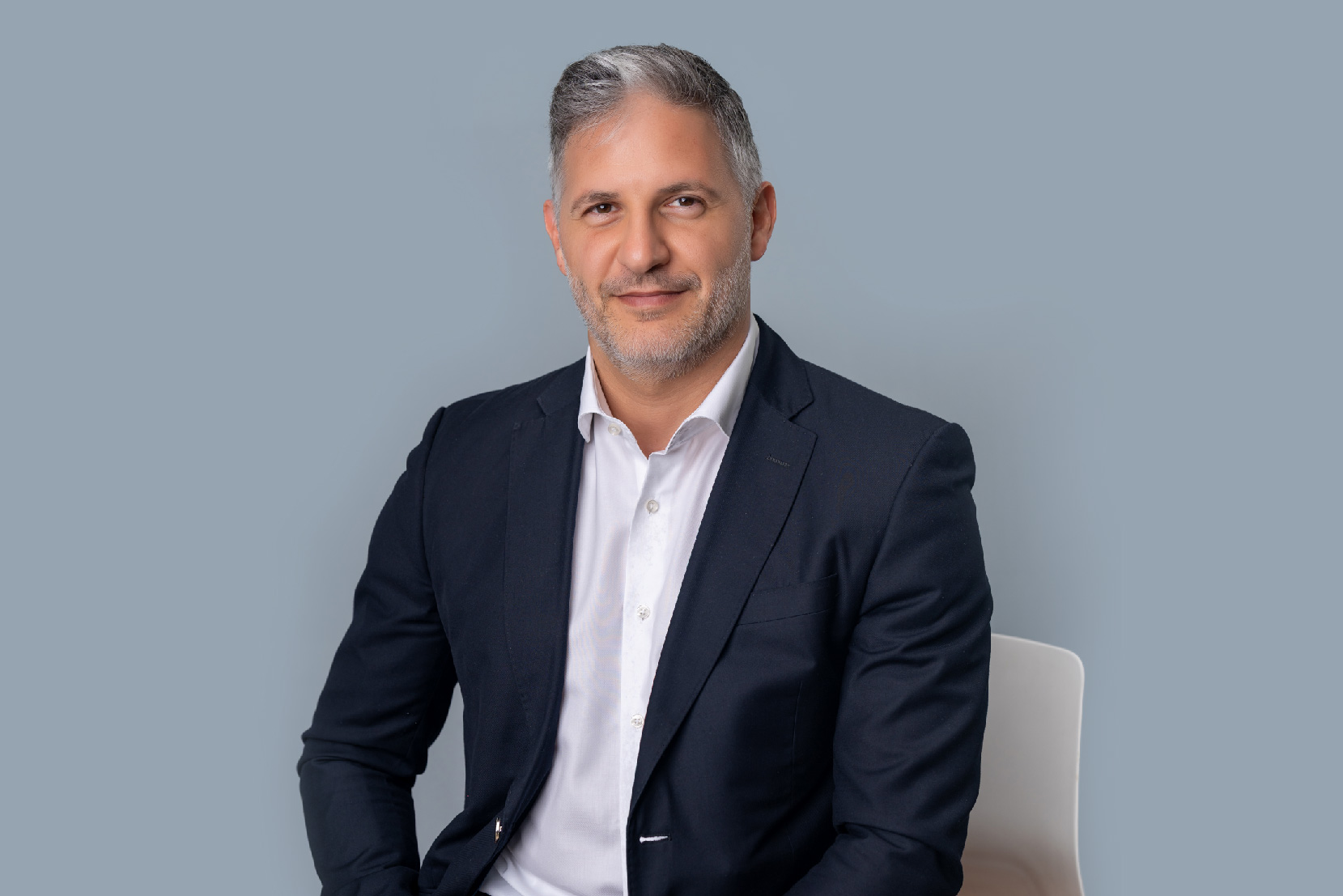
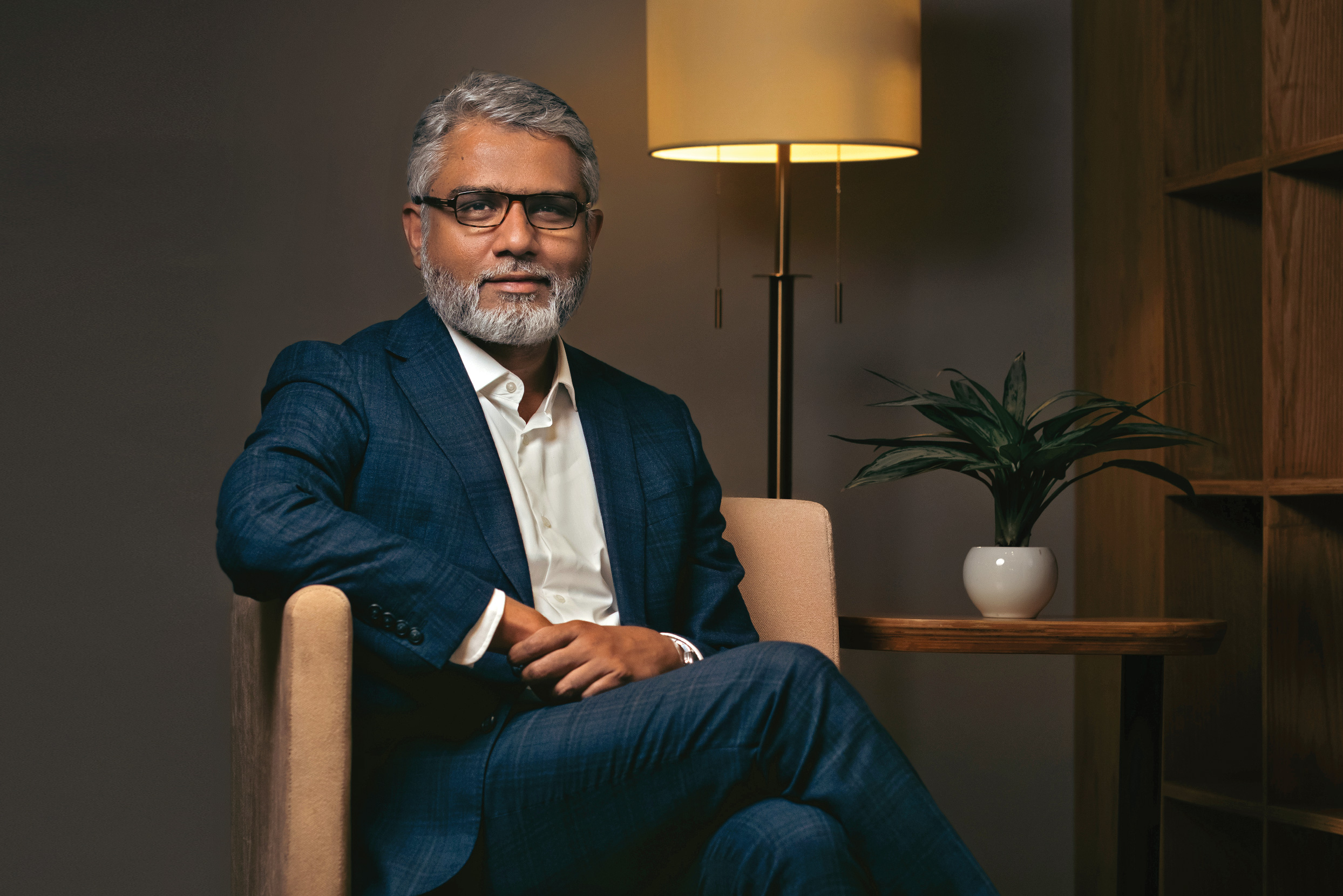
During his illustrious career, Dr. Iftekharuzzaman has worked as the Executive Director of Bangladesh Freedom Foundation before which he served for four years from 1995 as the Executive Director of the Regional Centre for Strategic Studies in Sri Lanka, and before that he worked with the Bangladesh Institute of International and Strategic Studies for 19 years, as Senior Research Fellow and Research Director. He worked for one year during 1989-1990 with the Department of International Relations of the University of Tokyo as a post-doctoral fellow. Dr. Zaman holds degrees from University of Dhaka and Academy of Economics, Warsaw. Currently, he is the Executive Director of Transparency International Bangladesh (TIB). Taking time off his hectic schedule, he sat down with IBT to discuss their operational involvement in Bangladesh in their crusade against corruption.
How has TIB contributed to Bangladesh’s progress over the years? How have your operations improved the engagement of the civil society in regards to their participation in social movements to combat corruption in Bangladesh?
Bangladesh has achieved quite a lot in the last four decades in terms of our journey towards institutionalization of democracy and more importantly in terms of social and economic progress. The country is acknowledged as a successful example for the headway it has made in terms of socio-economic development over the years. Compared to many other countries in similar levels of development, Bangladesh has achieved higher growth, essentially in the last two decades. We’ve recently been categorized as a lower middle income country and the indicators for that are quite apparent - 6% GDP growth, poverty reduction and greater access to education and health and so on. These are all matters of pride for us. However, we could have done much better if not for our deficits in ensuring participatory, inclusive, transparent and accountable governance accompanied by pervasive corruption in the country. This is evidenced by data from Government and other sources both national and international. Our own research shows that if we could moderately control corruption we could have at least achieved 4 to 5% higher GDP growth. Therefore, the opportunity cost of corruption and governance deficit is very high. From this perspective TIB has been conducting three main streams of activities.
Firstly, we conduct research on corruption, governance deficit at national, sectoral, institutional and service delivery levels in selected areas of public interest so that we can identify the extent and impact of corruption and identify the processes and systematic weaknesses which lead to corruption and governance deficits. The product of such research is then communicated to the government and other relevant stakeholders so that the problems can be addressed. The second stream is about reaching out to the people. We create awareness among the people about the ill effects of corruption and need for ensuring openness, transparency and accountability as the key response. People in any society are the demand creators so we reach out to them in many different ways through communication programs, by working with the media, wider sections of the public and by creating various platforms.
Lastly, what we have done as something quite unique for the whole Transparency International global movement, which is now replicated in many other countries, are the local level citizen platforms outside Dhaka. We didn’t want to keep our movement restricted to the capital, and hence went out to create wider and deeper levels of knowledge-based demand for better governance and reduced corruption by engaging people in other districts and sub-districts so they are also a part of the anti-corruption movement.
TIB initially piloted this civic engagement program in six different areas in the country, engaging local civil society supported by the youth engagement and support programs which basically takes the same knowledge-based messages to the local levels and creates the demand. They are involved with us on a fully voluntary basis. They help identify areas of public interest such as education, health, local government, land administration, climate finance and so on. These are sectors where corruption and governance deficit affect peoples’ lives on a daily basis. Through our campaigns in different sectors we have been able to demonstrate that corruption is a challenge that may be a reality but cannot be allowed to become a way of life and that it needs to be stood up against by the people. We eventually expanded this program to 45 different places all over the country. And at the core of all these programs is transparency. Transparency is about openness, about the information behind the decisions we take in public. Decisions should be taken on the basis of logic, information, judgment or considerations and these should be made public as at the end of the day it is the people who are the owners of the state. The power belongs to the people, which is why we have been at the forefront of the movement for the disclosure of information at the local and national level. We were amongst the organizations who worked with the Government for enacting the Right to Information Act, we worked with the Government in enacting the Whistleblower Protection Act for the protection of individuals who disclosed information for the public interest.
Other legal and institutional changes for which we were able to work with the Government and other stakeholders include: the enactment of The Anti-Corruption Commission Act followed by the establishment of the ACC and initiatives to strengthen it; ratification of the United Nations Convention against Corruption (UNCAC) by the Government; incorporation of anti-corruption curriculum for the secondary and higher secondary levels; drafting of a Bill on Code of Conduct of MPs; drafting the National Integrity Strategy in 2013 and progress towards its implementation. The various social accountability tools we have piloted and then applied in selected service delivery institutions have delivered progress in integrity, transparency and accountability, which have been recognized internationally.
How has TIB been pushing the envelope for good governance in the public and private sectors? Which sector was the most difficult to deal with?
There are hardly any sectors which do not face the aforementioned problems. Maybe in some sectors the problems are relatively more visible and more information is available. Also, there may be better drivers for change because of the degree of public interest in some sectors compared to others. However, in general, it is difficult to plainly say that X sector is more corrupt than Y sector as the tools for measuring corruption and governance deficits can vary. It is also important to recognize that there are good honest people who try to uphold professionalism and transparency in their efforts to make things better. Institutional, legal, strategic and policy structures are all present to strengthen the capacity of the sectors but what we lack is the proper practice. We have excellent laws and systems in place which may require some amendments and improvements. But the more important challenge is that whatever institutional, legal and policy capacity has been developed are not often enforced hence they are not as effective as they should be.
Obviously the work done by Transparency International is meant for the greater good. However, does this contradict the nation branding that we are trying to do?
In my opinion the opposite happens. If we are in denial about the level of corruption in our country, the situation will further deteriorate which will worsen our nation’s branding prospects. We have to realize that recognizing that we have corruption in different sectors of the economy is actually a demonstration of the courage to confront it. We can temporarily suppress the problem by denying its severity but that will only exacerbate the situation. Foreign investors will eventually get to know and experience corruption and choose to stay away from Bangladesh; and in fact sometimes they will also indulge in the same. In many high-profile cases of corruption in the country there have been involvements of multinational companies from some of the most highly developed countries. This is partly because of the denial syndrome which leads to a culture of impunity of the corrupt.
There is no alternative to working against corruption and bringing it into the core of public concern and discourse. We must be courageous enough to acknowledge that yes, we have a problem, but at the same time we are dealing with them by bringing institutional, legal, policy and strategic changes. Control of corruption is now reflected in all public policy documents such as the national integrity strategy, national budget, perspective plan, five-year plan, and even in the political manifesto of the major political parties. These, in effect, will help in creating a better brand image for Bangladesh.
What obstacles have you come across in your crusade against corruption in Bangladesh? How has that affected your operations?
One thing is clear, if in a country like Bangladesh work against corruption was smooth and easy then there would be no need for an organization like Transparency International Bangladesh. My dream was that our work would lead to effective corruption control thanks to which our operations could gradually shrink. However, that has not happened.TIB has expanded over the years, so would that count as an indicator of our failure? Are we perhaps chasing an unrealizable dream? Absolutely not. By contributing to the institutional, legal and policy structure, and by creating the demand we have strengthened the capacity of the state to control corruption. It is in the hands of the Government, the accountability institutions like parliament and justice system and specialized bodies like ACC, law-enforcement agencies and administration to deliver rule of law, control corruption effectively by establishing the fact that corruption is indeed a punishable offense and not a zone of impunity. Our task is to create such demands.
To work in an area like this will always be hazardous. We define corruption as the abuse of power and those benefiting from it are powerful people. Therefore, our work is often perceived to be be against the vested interest of a section of the powerful people. Incidentally, your readers would know that when the same people are not in power they happily welcome our work. As a result, there will always be some challenges and risks but we take it as an occupational hazard. Regardless of these hazards we survive with dignity and confidence because all we say, do and advocate for are based on facts, research and analyses. We work with the full consent and approval of the Government of Bangladesh. Our work is essentially meant to strengthen the hands of the government and help them with their promise to control corruption.