We have mechanisms and measurements to track everything. In Apollo Hospitals Dhaka, we not only try to solve problems, but also anticipate and work to prevent recurrences as well.
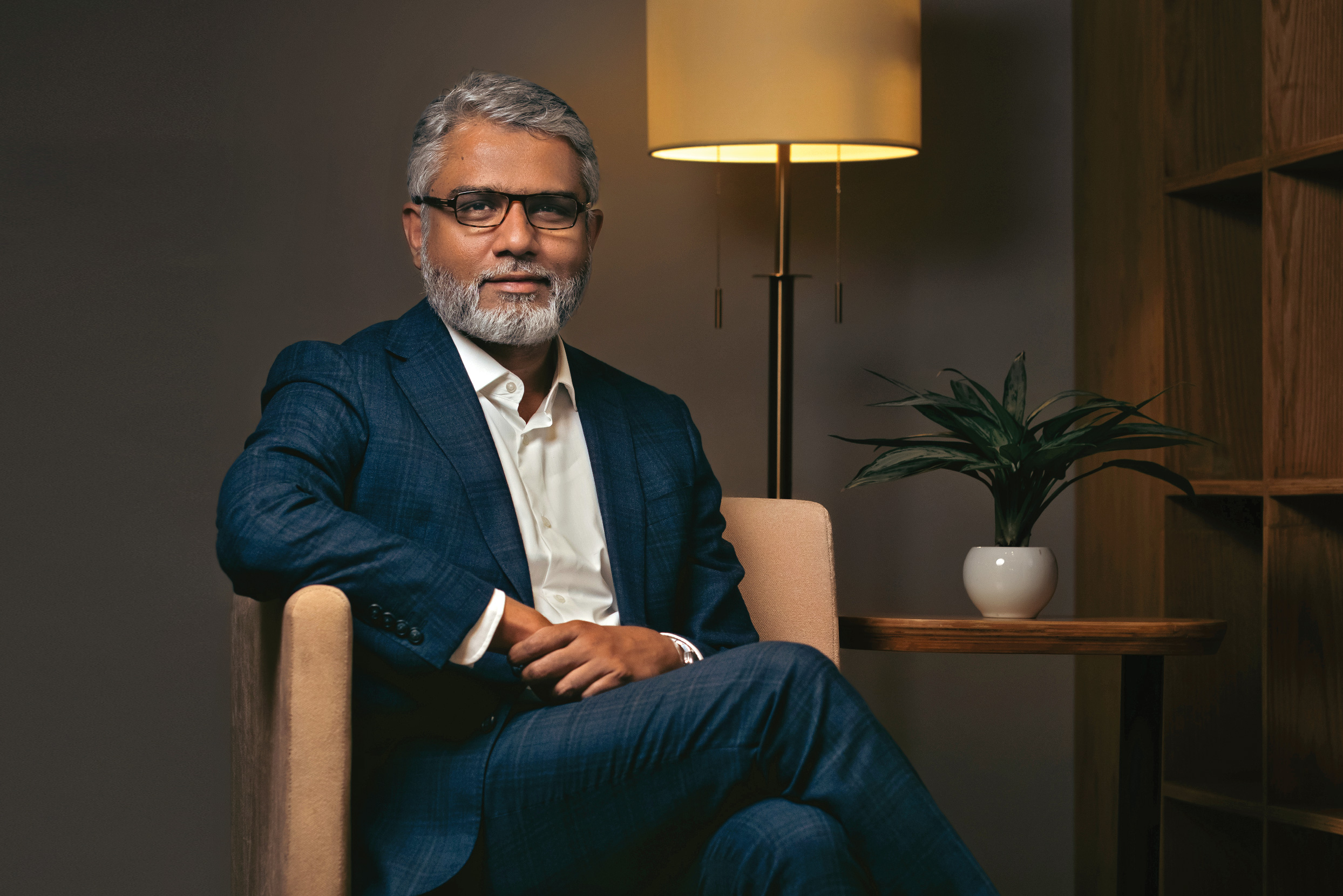
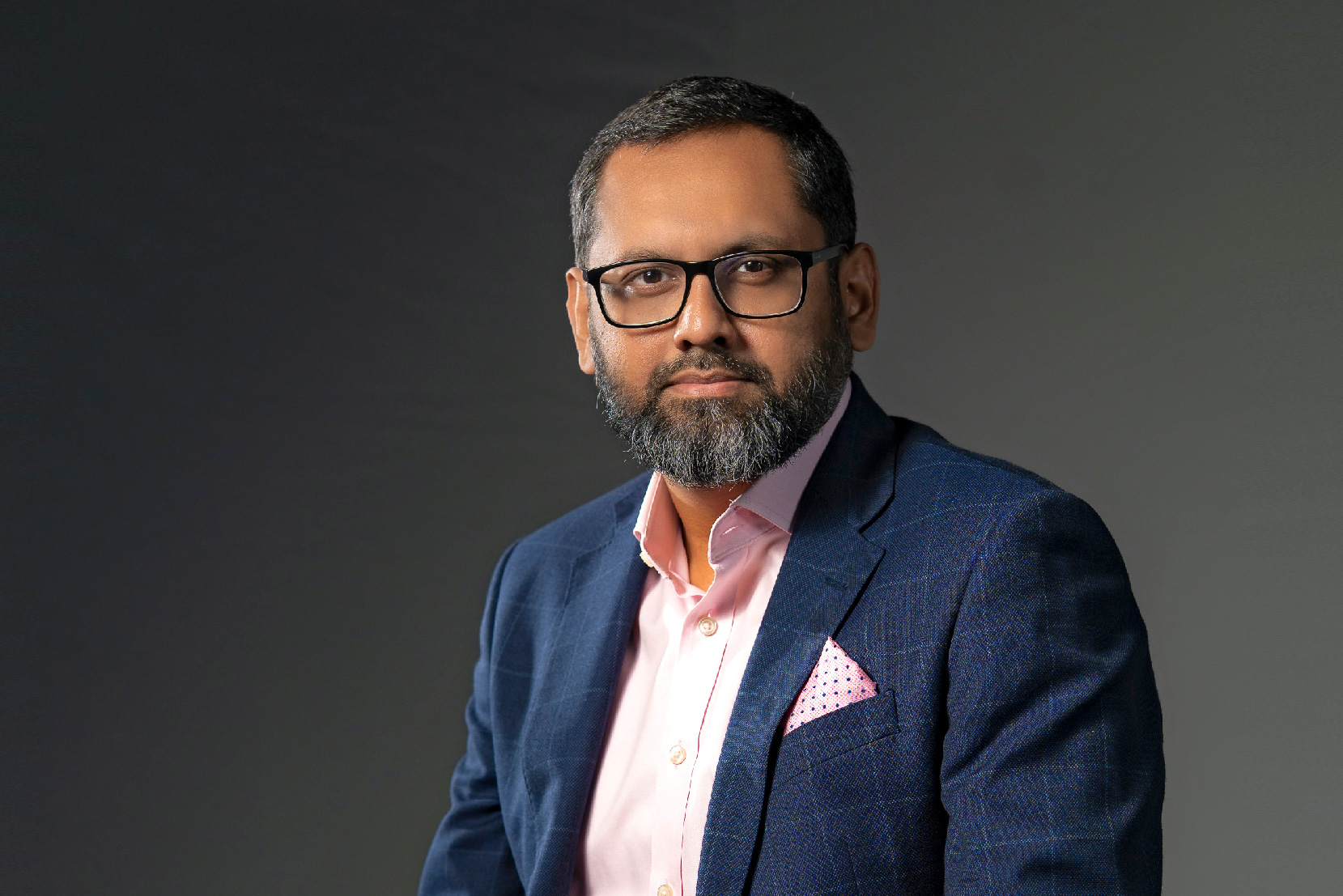
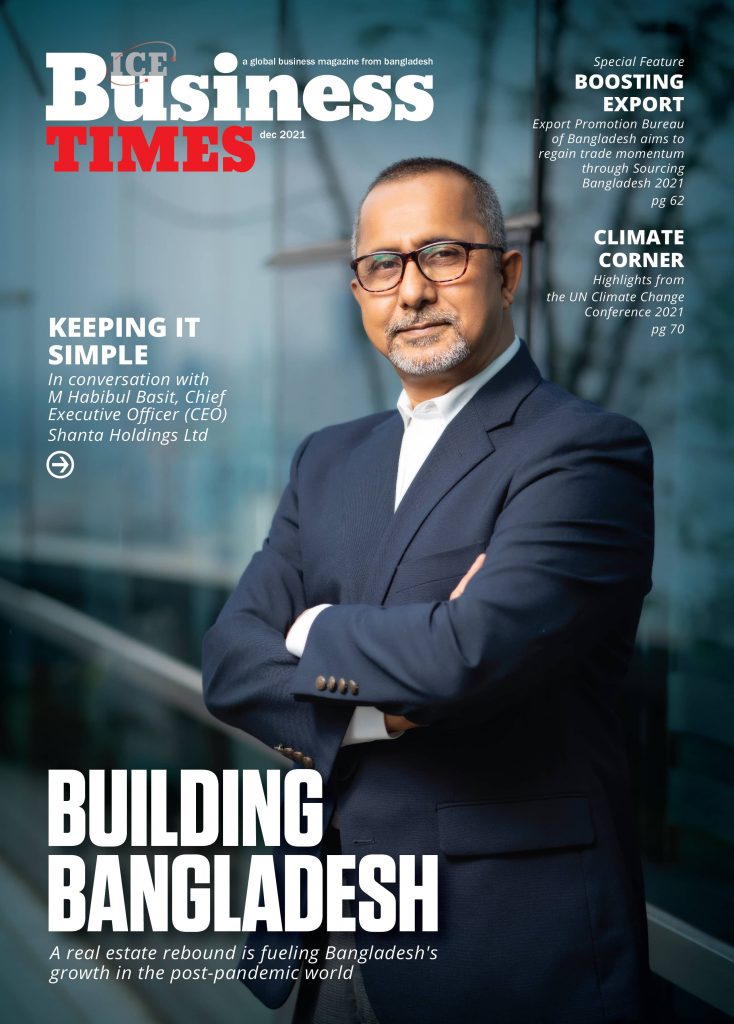
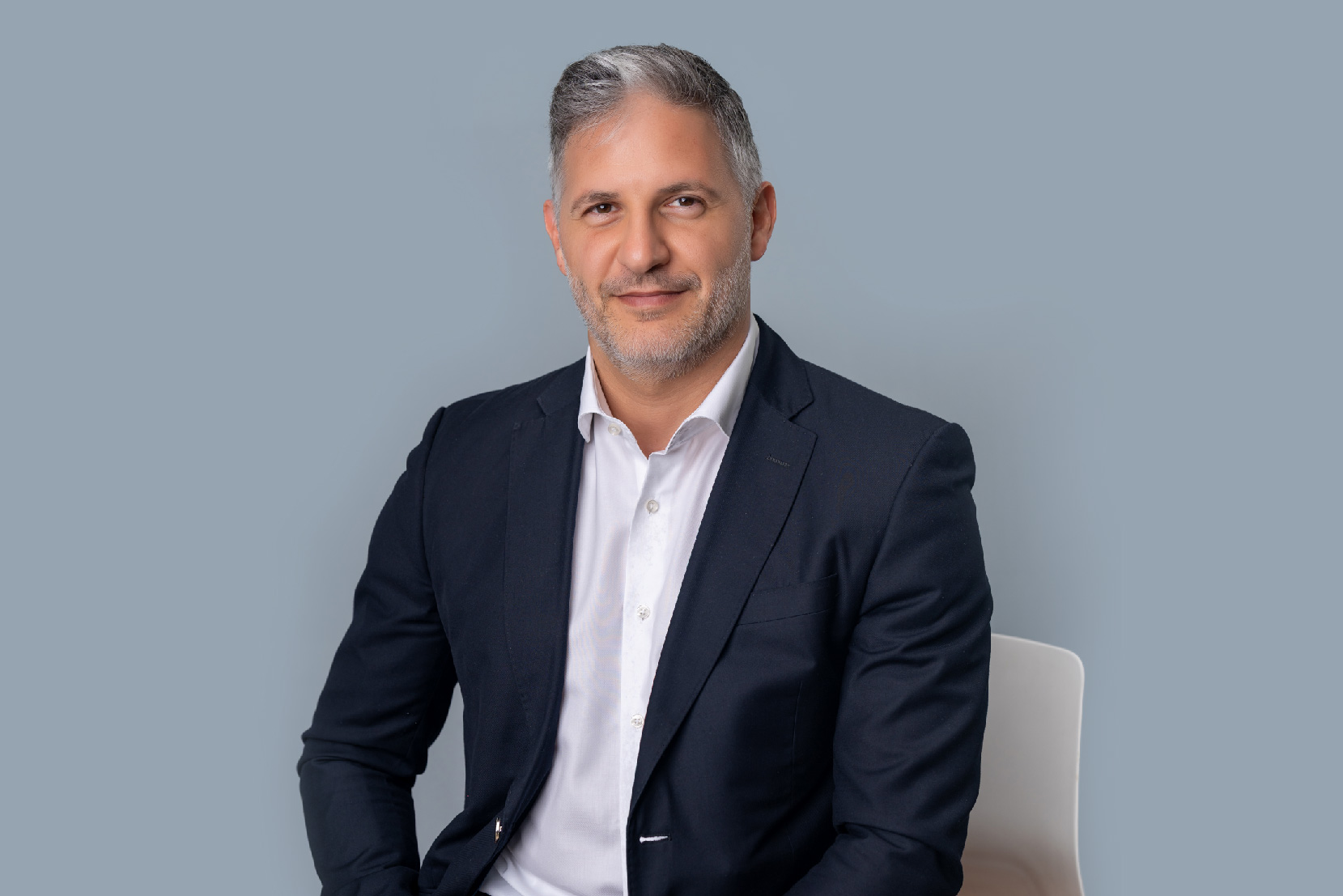
R. Basil is presently the Executive Director & CEO of STS Holdings Limited, Dhaka. He has 36 years of professional management experience in various senior-level roles such as Vice-President of Wipro GE Medical Systems, Managing Director & CEO of Manipal Hospitals Group, Executive President of Apollo Hospitals Group and Honorary Advisor to St. Johns Medical College Hospital. He is also the Co-Founder of Lily White Health Consortium Pvt Ltd, Bangalore.
Basil introduced some pioneering initiatives in hospital services in 2002 which later became integral parts of the healthcare industry’s evolving standards in rendering a differentiating customer experience.
Where do you think the Bangladesh healthcare system is heading? What needs to be done?
Bangladesh is comparable to its neighbouring countries in the Indian subcontinent. In the last ten years, we see similar trends such as a shift from communicable or infectious to non-communicable diseases. This means that many of the diseases are linked to the lifestyle and also how the economy is progressing and the middle income group is growing in number. Another aspect to consider is that information on healthcare is widely available to the public through the internet.
But there are certain inadequacies, especially with regard to Bangladesh. The problem lies within the perception that the service in our country is not reliable. For the local people who can afford to spend on healthcare, there is a trend to seek advanced treatment from abroad. From various sources of public information, roughly 150,000 people travel abroad every year.
Here is the opportunity. First we must ensure that the quality of our institution is on par with international standards. Then we must build faith and trust amongst the people so that they have the confidence to seek specialized treatment here in the country.
How do you think these changes need to be taken?
For this, there needs to be a total overhaul in terms of education, be it in the private or public medical colleges. There needs to be changes in the curriculum especially in speciality subjects. The quantity and quality of the output from these institutions needs to really change – that is a major requirement.
Statistically, if you look at the average number of doctors per population of 10,000, compared with neighbouring countries, there is a huge gap, which needs to be closed.
And given the context of the Bangladeshi population, the number of beds is not enough, the numbers of doctors and nurses to serve them are not enough.
And to address these issues of inadequacies or gaps in infrastructure and manpower, we need a specific time-bound plan. That is what is missing here.
The next focus should be on accessibility and affordability. Less than 1% has insurance coverage with their medical treatment; and this 1% percent is only from the formal private sector. If insurance is made more widely available, it will completely change the dynamics in the medical field.
If we look at the younger generation and considering that the average life expectancy of a Bangladeshi is 70, there is a great potential. Healthcare can provide for geriatric care, and treatment and insurance plans can come in a big way.
Apollo is the first hospital to be given the JCI accreditation in Bangladesh. Can you elaborate upon your continuous success?
We have done some internal studies and found out that in Bangladesh, there are 34 or 35 hospitals in the country of a capacity of over 200 beds but what we find so astonishing is that none of these have gone for standardization. Standardization is absolutely crucial in creating confidence. Due to this, our Board had the vision about 8 years ago to apply for accreditation with the JCI—the Joint Commission International—which is the gold standard in healthcare. This is our third consecutive term of accreditation since 2008.
We faced numerous challenges when going through the learning curve for the betterment of our hospital. Initially the promoters felt there was a drastic need to bridge the gap between what the country had and what they wanted to bring in. The first year was spent in recruiting the most talented doctors within the country. Then, we began to recruit experts from abroad to increase our scope for specialty treatments, which in turn helped to create a multicultural environment and a culture of knowledge exchange. Over a period of time, we realized that in the interest of clinical experience, such international training and recruitment is a necessity.
Adhering to the quality standards, as specified by JCI, is very tough but crucial. Here, we believe in educating the entire staff; if you talk any staff member in the hospital, they will all emphasize the necessity for patient safety and infection control. We have mechanisms and measurements to track everything. In Apollo Hospitals Dhaka, we not only try to solve problems, but also anticipate and work to prevent recurrences as well.
What are some of the parameters you have set to maintain standards?
There are approximately 4 parameters. The first would be clinical excellence where we measure the outcome, create benchmarks, compare them with the world’s best outcomes after every surgery, and measure length of stay to be as short as possible. Then we focus on patient friendliness, or what we refer to as patient centricity. This is because good service is therapeutic; it accelerates the healing process and recuperation. For example, we have provided a hotline for patient inquiries; we emphasize the need of our staff to always follow up on the patient’s well being. We have installed micro-cameras and microphones in 130 areas of the hospital where there is no conflict with patient privacy. These areas include the billing area, ensuring that we can provide the best service and monitor and critique our own work.
The most important attribute is transparency and ethical practice because in the case of private hospitals, there is a preconceived notion of exorbitant prices and lack of transparency. We have taken the initiative to announce that our prices are predictable for certain procedures. There are approximately 150 areas where we can state that we can definitely provide a fixed price and duration of stay. Even if costs exceed the package price, the extra cost is written off. Only in the case of co-morbidity, which is in many cases is calculatable, the patient is advised that there may be some extra charges. The whole objective is to ensure predictability in pricing and inculcate confidence in our institution.
Finally, the fourth parameter: efficiency. The success of an institution is based on its own sustainable performance so we need also to measure the efficiency parameters.
There is the Apollo Hospitals chain in India. Is it a challenge to keep up with the standards of the institution in India?
We had certain challenges and gaps in terms of perceptions in the past. In earlier days, there was a culture to defend these. The only way we thought we could bring transformation is to accept that there are genuine areas of inadequacies. That is one of the reasons why we are encouraging feedback. It is like a mirror which reflects our image – this is helping us a lot. We feel that these challenges welcome improvement. Sincerity and humility is most important, especially in an industry like this. There is a system known as ACE (Apollo Clinical Excellence), which earlier had 25 parameters (now more) in clinical practices that must be followed by any of the Apollo hospitals; an apex group measures this to ensure that it is up to the necessary standard on a monthly basis. There are very strict protocols that must be maintained. For example, you cannot just decide that you will surgically remove the cancerous tissue from a cancer patient. You may have to reduce the size of the tumour through chemotherapy or radiotherapy prior to any invasive action. There are well-written clinical pathways that every doctor must follow before they undertake any action or procedure and these are implemented with the utmost discipline. There is a Board consisting of all relevant bodies that will treat the patient and they will decide on the best protocol. We have a diagnostic centre that approves the protocol before it is implemented and they must supervise the course of action. We are evolving certain standards which are not being followed in other institutions.
A vast number of patients and their families express that there is a lack of communication that leads to inadequate or faulty treatment in the ICU. How do you overcome this disparity?
I agree that this is a phenomenon that unfortunately occurs however, we are taking certain measures in order to overcome it. We are continuously training our doctors. When our doctors write an MRI or CT scan, they are required to provide an explanation of why they have come to that conclusion and why they have conducted such a detailed test as opposed to a simple X-ray. We assure you that our doctors are trained to practice degrees of empathy and understand their patients in order to alleviate any communication discrepancies. No instruction or incentive is ever given to increase revenue. You must answer an inner voice for ethical practices regardless of whether there is an audit.
As a corporate hospital, you have to balance sustainability and quality. There must be a flow of revenue with the most cost effective care. How do you balance these two?
In the previous 2 years, there have been no price increases. And we have provided many health packages to promote predictability. We have focused on consumption and how unnecessarily they are utilized and found how much we can conserve. We went to the suppliers and continuously renegotiated for affordable rates. Efficiencies were achieved and there was a substantial increase in our financials because of the reduction of waste. And that is reflected against our manpower also. We work extended hours and even on holidays.
In Bangladesh, research, collaborations with public health and R&D are not commonly seen. Is this encouraged in your hospital?
Due to the uncommon nature of these events, many of our doctors present their research in foreign committees or boards. Apollo has its own publications that present this research as well as what is known as Supra Major procedures in each department. When a doctor executes a particularly challenging procedure, the entire process is recorded. We have planned the procedures that we will be doing for the next three years. We have started with autologous bone marrow transplants which were planned two and half years ago; we will start allogenic transplants and there is the prospect of bringing robotic surgery systems later on.
Are there any pledges that Apollo would like to express to the government regarding the prospect of healthcare?
The first message we would like to convey is standardization. There must be a certain body that emphasizes and maintains a certain quality of healthcare. There must also be a change in the education system, when you look into the private medical education sectors, most of them are inadequate but they are still producing doctors.
According to the Board of Investment report, Bangladesh spent around $2 billion for medical tourism in the previous year. Do you have any plan to increase the medical treatment within the country?
I believe that the best way to attract patients to seek treatment within our country is to show them actual case studies such as the ones run in Daily Star. This would include those who have travelled abroad seeking treatment but found the correct treatment here. We must also create awareness that there are adequate experts and technologies that are available here. Everyone feels as if treatment is better outside of the country. We must create awareness of the quality that is available within.