
How Kutubdia could be the next best destination after Cox’s Bazar, albeit temporarily
By Saad Mahmud
A main thrust of country’s economy may be on Cox’s Bazar tourism haven. It boasts the longest unbroken sea beach in the world and hosts an array of small and big islands. Some 3 million tourists from home and abroad visit this site during the tourist season alone. But unplanned development of the beach city poses nagging problems for the backpackers.
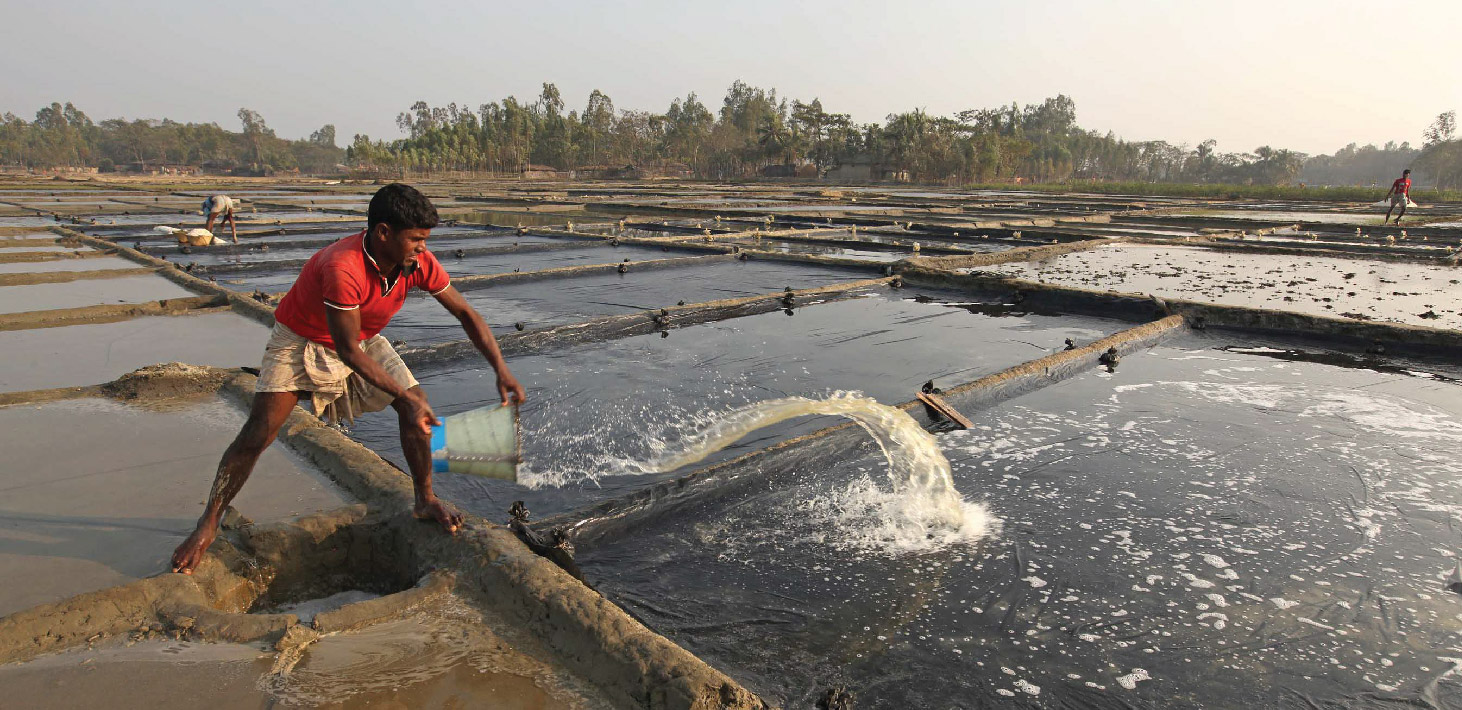
This has made way to raise voice for a new tourist destination, and critics are opting for Kutubdia. Lying in the coastal area of Bangladesh, it stands in the belly of the Bay of Bengal. This Island is the off coast near Chakaria and Cox’s Bazar of Bangladesh. It is famous as it habitats the only lighthouse in Bangladesh (which also acts as a helping hand to ships trying to locate Chittagong port,) which was built during the British period. They are also famous for providing salt and dry fish, also a formidable earning source of foreign currency.
In Bangladesh only 39% of the population has access to the electricity grid. The cost of running diesel generators for electricity is expensive and beyond the reach of most people living in rural areas, therefore hydrid systems which combine renewable energy and a diesel generator have strong potential. A 1000 kW hybrid wind-diesel power plant in Kutubdia, Bangladesh was found by a recent study to be a cost effective and environmentally friendly way of supplying power to remote areas currently not connected to the grid.
Why visit Kutubdia?
It was the exact same question I had asked myself when I was on my way to the island. After visiting the place and talking to the local people, I realised that it is your quintessential bucket-list material. Kutubdia is one of many islands off Bangladesh and India affected by increasingly rapid erosion and some of the fastest recorded sea-level rises in the world. These ‘vanishing islands’ are shrinking dramatically. Kutubdia has halved in size in 20 years, to about 100 sq km. Since 1991 six villages on the island of fishermen and salt workers have been swamped and about 40,000 people have fled.
The 80,000 people left on Kutubdia all expect to follow suit. ‘The land here used to be 1km out to sea,’ says Mohamed Rashed from the village of Qumira Char. ‘We lost mosques, a school, shops, farms. We are scared of the sea now. Gradually it comes closer to our homes. When we sleep, we are scared. Every year the tide rises more and comes in further. Next year this village may not exist.’
Rashed moved his house on to a new three-metre high concrete embankment in 2008, but the high tides and tidal surges now top the barrier.
‘God knows how long this village will last. If it gets worse I will have to go to the mainland. We know the end is coming,’ says fisherman Jakir Hossain.
At the current rate of erosion Kutubdia will be off the map within 30 years, along with dozens of other coastal islands. Sandwip, near Chittagong, covered 600 sq km 50 years ago. It is now a tenth of the size, its area having halved over the past 20 years alone. Further north along the Bay of Bengal, 12 islands – home to 70,000 people – are said by the Bangladeshi government to be ‘immediately threatened’ by the rising seas; 90 others in Indian waters, collectively housing more than 4 million people, are said to be at real risk. Sagar island is expected to lose at least 15% of its area in the next eight years, and may yet suffer the same fate that befell the island of Lohachara, which in December 2006 became the first inhabited island known to be lost to rising sea levels.
Tourism Know-how
For the visitors in Kutubdia , it will take approximately 2 hours time to reach to the island by bus, and the fair will be cheap, roughly Tk. 100-120 . But the beach is empty and almost there will be no good facility for fine dining. So I suggest packed foods and dry foods. There are many local bazaars in Kutubdia, so water and sanitation will not be a problem, but there is no good hotel to stay at night there. There is a rest house (daak bungalow) and few small hotels in the island. The rest house is comparatively better in outdoor view.
The easiest way to go to Kutubdia Island is to go by Mognama ghat (Mognama jetty). There is direct bus service from Chittagong to Mognama, also you can go to Mognama by CNG taxi from Chokoria. One can go to Chokoria from Chittagong, or from Dhaka by direct bus. It is also possible to go by Dhaka-Coxs Bazar bus and drop at Chokoria Bazar. From Mognama there is boat and speedboat to cross the channel. Speedboat takes only 10/15 minutes and cost 60Taka each pax. From Kutubdia jetty, you can take a rickshaw to go to the far/sea side of the island where there is a rest house.
Archaeological heritage of this island are Kalarma Mosque and Tomb of Qutb Awliya which are very popular to its visitors. If you visit and see the actual scenario of livelihood status of the local people of Kutubdia island then you can imagine the real situation. Young locals are sitting in the floating market for their livelihood. This is everywhere at this island which you can find easily. November to March is the right time to Kutubdia Island, without any kind of hassles.