‘Cut cost of costly power plants’

Share on facebook
Facebook
Share on twitter
Twitter
Share on pinterest
Pinterest
Share on linkedin
LinkedIn

WB’s Johannes Zutt also suggests removing transportation bottlenecks to overcome Bangladesh’s growth constraints


By Khawaza Main Uddin


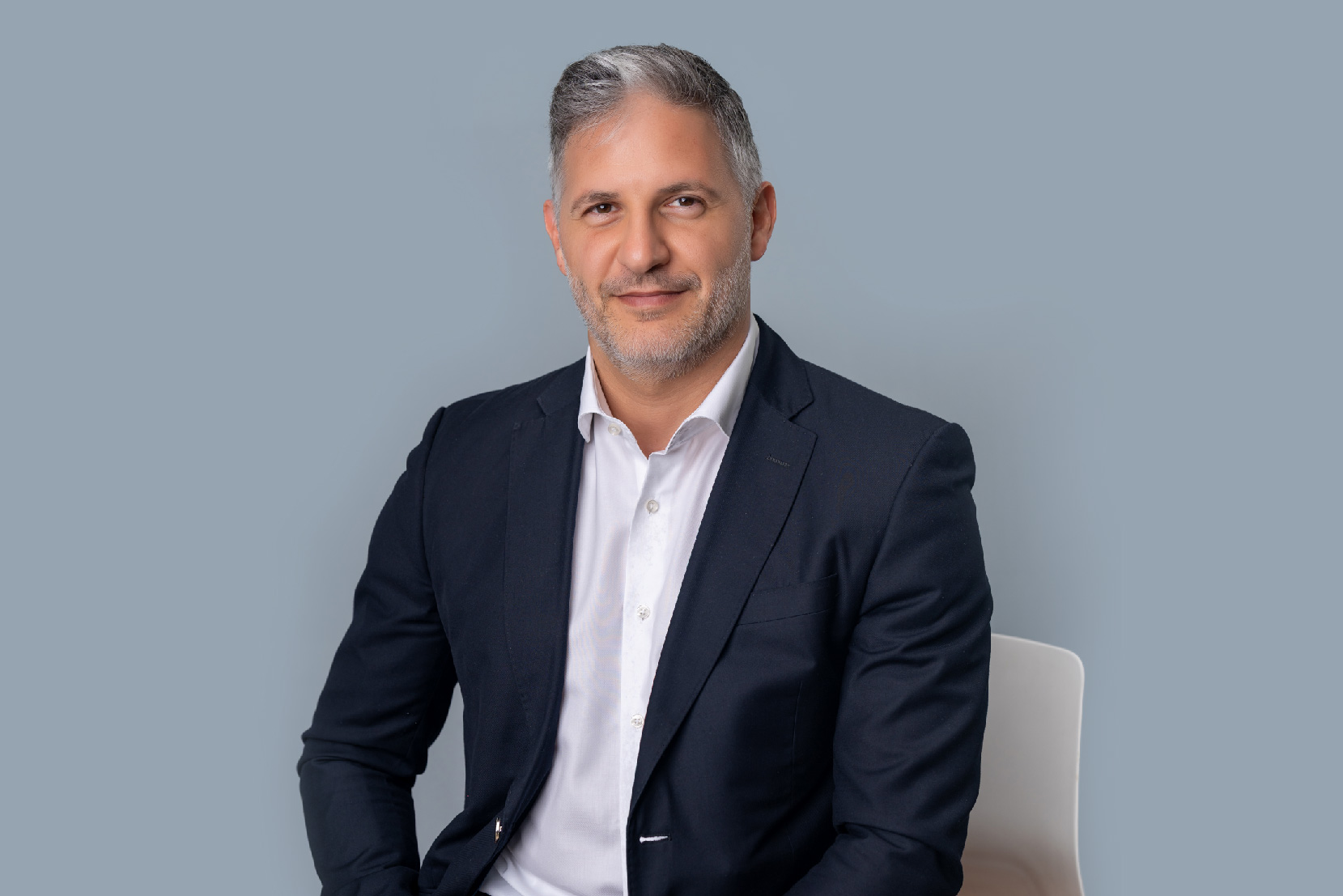
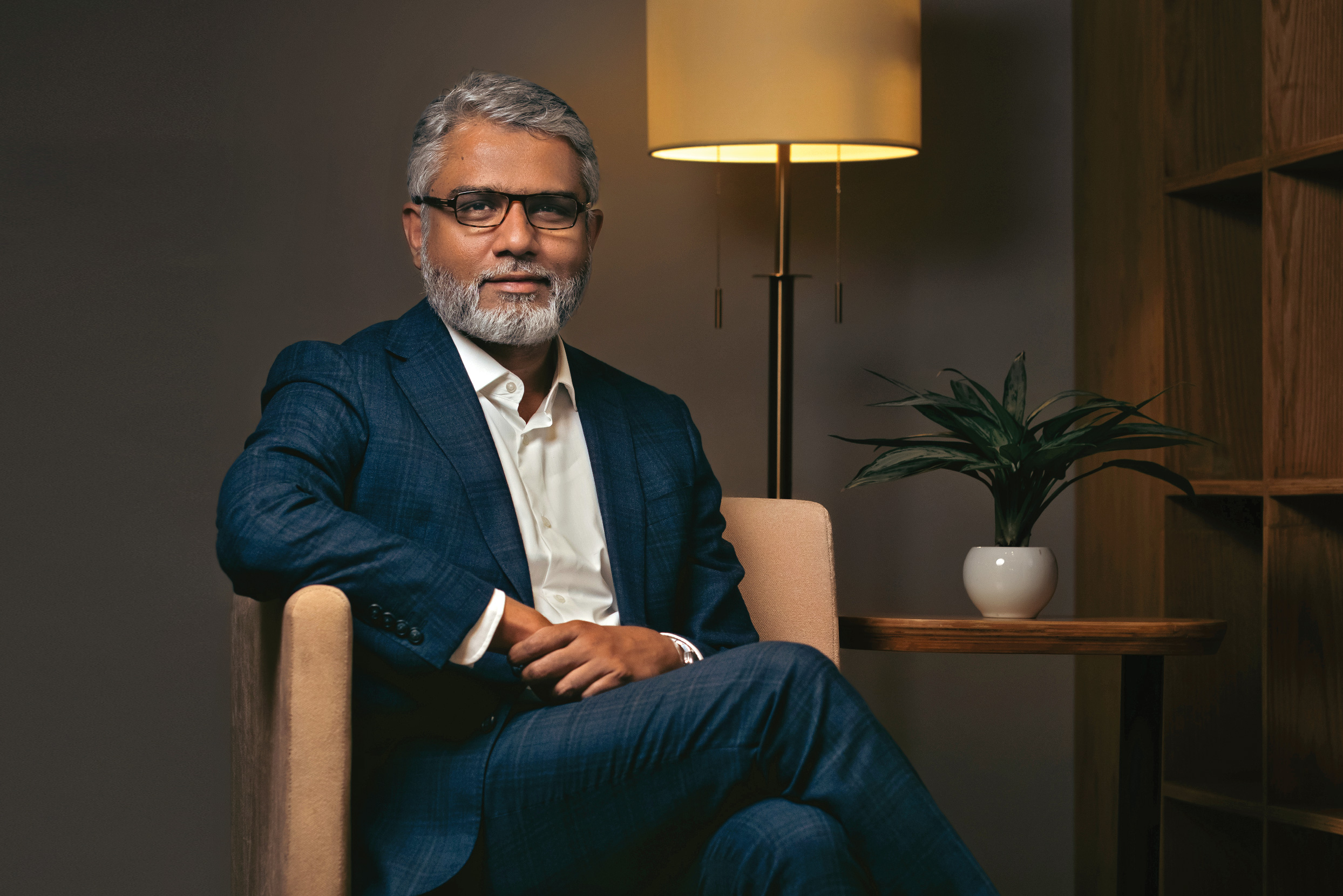
The World Bank’s Country Director for Bangladesh Johannes Zutt feels that certain steps would make Bangladesh a better place to do business. He shows interests in what he calls high-impact transportation projects to facilitate trade, by expanding the Dhaka-Chittagong Highway and improving the efficiency of the Chittagong port.


‘There is also an urgent need to transform Dhaka into a globally-competitive metropolitan region, which includes professional urban planning, effective mass rapid transit, and enhanced social amenities,’ the WB official said in an exclusive interview with ICE Business Times.


Asked when the global lender, which earlier suspended funding for Padma Bridge project amid allegations of corruption, would resume financing for huge infrastructures, he said the WB is ready to play an active role in helping Bangladesh to remove the constraints to growth. In this context, Mr. Zutt recognised the importance of reliable power to manufacturing growth and said, ‘the Bank aims to help fill the huge power deficit and also to reduce reliance on expensive polluting diesel power plants.’


He underlined the need for being vigilant about corruption, aggressive in trying to prevent it, and prosecute corrupt actors to the full extent of the law whenever possible. ‘Otherwise, the taxpayer, who ultimately pays for Bangladesh’s development, can rightly complain that we and the government have not been doing our jobs well,’ he pointed out.


Reflecting on his views of capitalism, Johannes Zutt, a Dutch national who has been involved with the UN system for long, noted that ‘the market doesn’t always work well’ and that ‘some things are just too important to be left to the market,’ ‘I am friendly to capitalism, but I also see its weaknesses and want to be part of the effort that addresses them, without fundamentally undermining capitalism itself.’

————————————————————————————————

Highlights extracted from the interview text

  • Bangladesh needs growth at 8% to become middle income country by 2021.
  • Under-investment in business infrastructure is a major constraint to growth.
  • The country could create conditions to help attract export-oriented jobs.
  • WB takes into account government commitment for funding a project.
  • It is important to expand prosperity among bottom 40% of the population.
  • Bangladesh’s public service delivery is poor, institutions lack accountability.
  • WB wants to understand when and why markets fail & how to address this.
  • ‘We (at WB) can make mistakes and learn from our engagements.’
  • It now recognises that macroeconomic reform has to have a ‘human face’.

————————————————————————————————-


In your first six months in the country, what is your impression about how Bangladesh is faring?


Bangladesh has developed beyond expectations since achieving independence in 1971.  Economic growth accelerated steadily by about one percentage point in every decade since independence, and the number of poor (those living on less than $1.25 per day) was reduced dramatically from nearly 60 percent in 2000 to 43 percent in 2010.  With the exception of China, this is faster than the rate of poverty reduction in the rest of the developing world. Bangladesh has also sharply improved its social indicators and is on track to achieve the Millennium Development Goals for gender parity in education, child mortality, and maternal health as well as HIV/AIDS, malaria and tuberculosis. These achievements come from Bangladesh’s close attention to health outcomes, elementary education, family planning, and gender equality. These efforts have all been supported by superb grass-root workers and organisers—mostly female—mobilised by the government and world-leading NGOs such as the BRAC and a vast network of microfinance institutions led by the Grameen Bank.


Strong economic management is an important contributor to Bangladesh’s progress. Although governance has been poor, the government has managed to maintain macro-economic stability, liberalise trade, reform the financial sector and moderate its interference in business.  It also established reasonable access to electricity and transportation services in export processing zones—pockets of better governance—that enabled an export-oriented garment manufacturing industry to grow rapidly, raise export earnings, and provide employment to over three million young women.


Where are you attaching WB funding priorities in line with Bangladesh’s national requirements in the coming years? Could you please mention a few areas and sectors?


Despite its remarkable record, Bangladesh remains one of the world’s poorest countries. Public service delivery is poor, and institutions are hindered by weak capacity and lack of accountability to citizens. If it wants to become a middle-income country by 2021, Bangladesh will need to accelerate growth to 8% per annum, and this is not an easy task.  This will require sustained reform efforts in many areas—from improving governance, managing urbanisation, and narrowing the power and transportation deficits to reducing vulnerability to external shocks, promoting migration for increased remittances, and capitalising on low labour costs.


When are you going to resume financing huge infrastructure projects like that of Jamuna Bridge? What does Dhaka need to do to gain funding agencies’ confidence and enhance the country’s capacity to handle such projects?


The World Bank’s own analytical work shows that under-investment in business-related infrastructure (especially serviced land, electricity, and transportation links) is the binding constraint to growth.  Without growth, Bangladesh will be hard-pressed to provide productive jobs to the two million people entering the workforce each year over the next decade, or to sustain its impressive rate of poverty reduction.  The Bank is prepared to play an active role in helping Bangladesh to remove the constraints to growth. To this end, recognising the importance of reliable power to manufacturing growth, the Bank aims to help fill the huge power deficit and also to reduce reliance on expensive polluting diesel power plants. Similarly, over time, we hope to identify ways to help remove transportation bottlenecks at the Chittagong port, on trunk roads, and along inland waterways.


Is World Bank’s presence in Bangladesh part of its global footprint only? What are its special focuses here, different from the ones in other countries?


Bangladesh shares many of the challenges of lower-income countries striving to become middle-income. But it stands out when it comes to climate change. In the past few years, the Government of Bangladesh has become a front runner in embracing actions to increase climate resilience of people and infrastructure through strategic national investments and innovative global climate financing, including a multi-donor fund – the Bangladesh Climate Change Resilience Fund supported by seven development partners (namely Australia, Denmark, EU, Sweden, Switzerland, the UK and the USA).  This work aims to mainstream climate-change adaptation into developmental practice, especially in areas such as coastal infrastructure, forestry, food security, water resources management, and disaster risk reduction.


What are the key criteria for setting your priorities while funding a national project undertaken by the home government? Why don’t you use other windows (outside of state machinery) to select the most relevant development projects and bring more transparency?


The World Bank provides soft loans to the government—and these loans are deeply concessional, with the government paying back only about one-third of their real value over the repayment period. Because we lend to the government, the government is also usually our implementing partner. When we work with the government on identifying a new project, we take into account a number of factors.  Will the project contribute to meaningful reforms in the area of engagement? Does it have potentially transformative impact? Does it fit within the Bank’s comparative advantage? Is there sufficient government commitment to getting the project done properly? What is the track record of the Bank and the government in this sector? Is there room for the Bank to be present, or are other donors already providing enough assistance, so that we are not needed? All these issues need to be addressed before we get involved.


Bangladesh is still struggling with problems such as governance, infrastructure deficiency, higher cost of doing business and negative fallouts of urbanisation? How do you evaluate the performance of the World Bank as a major development partner in such a context?


The Bank is an institution made up of individuals who have dedicated their professional lives to trying to improve the livelihoods of the world’s poorest people—and I think that we can take pride in many achievements.  But we are only one of many players, and the government, other donors and of course the poor themselves are working hard to make a real difference in their lives. Moreover, like any institution, we do not have all the answers; and we can make mistakes.  That said, as a development bank, the World Bank is constantly making an effort to learn from our engagements with a diverse group of countries around the world and to improve what we do.  I believe that this effort enables us to make real progress over time.  To take one example, I think that the Bank today fully recognises that macroeconomic reform has to have a ‘human face’, and that we need to protect the poor from the adverse social and economic impacts of reforms. I think that we also accept that there is tremendous value to programmes like universal child immunisation, even if we cannot exactly quantify what that value is.


What are some lessons the WB itself has learned over the years, in both global and Bangladesh context? And what are some of the palpable changes the multilateral agency has made in its soul-searching efforts?


In the fourteen years that I have been with the Bank, I have seen at least three important global lessons, which certainly also apply to Bangladesh. First, we need always to focus on results:  what are the expected results of the work or the project that we are supporting, and how well are we doing in achieving them?  Second, the results that really matter to the Bank are eradicating extreme poverty and expanding prosperity among the bottom 40% of the population. So we need to make sure that the work we do focuses relentlessly on these twin goals and monitor our successes and failures closely, so that we learn the lessons of experience and change course as and when we need to do so.  Incidentally, many of Bangladesh’s NGOs are very good at doing so already, and have provided us with examples of good practice.  Third, we need to be vigilant about corruption and aggressive in trying to prevent it, detect it when it happens, and prosecute corrupt actors to the full extent of the law whenever possible. Otherwise, we will not get value for money—and the taxpayer, who ultimately pays for Bangladesh’s development, can rightly complain that we and the government have not been doing our jobs well.


The Bretton Woods institutions always emphasise economic growth, believing in trickle down effects for public welfare. What are your conclusions seeing the growth often instigating disparity and the case of subprime mortgage crisis in America in 2008? What is the solution in your view, be it social business, for the modern capitalism?


To quote Winston Churchill—who was taking about democracy rather than about capitalism—I might say that ‘capitalism is the worst possible form of economic management, excepting all the other forms’.  A key lesson of the twentieth century is that pure command economies don’t work; you need prices to signal supply and demand in the economy, and to ensure that they remain roughly in balance.   But it does not follow that pure market economies are perfect either.  In fact, I think that very few of us really believe that we should have a minimalist state that provides only the security, or roads, or street lights, or for people to individually pay for their health care.  Most of us think that the market doesn’t always work well (for example, in reflecting the cost of pollution), and also that some things are just too important to be left to the market (for example, the provision of basic health care to young children).  So we want to understand when and why markets fail and then to help governments address those failures.  In other words, I am friendly to capitalism, but I also see its weaknesses and want to be part of the effort that addresses them, without fundamentally undermining capitalism itself.


Global lenders advocate reforms in accordance with their agenda and Bangladesh, too, is faced with compulsion to bring reforms if it means good governance, rule of law, democratic culture and fair business practices. Despite inherent pains of reforms, let me suggest that reform proposals are often devoid of clarity and support from stakeholders. What are some of crystal-clear reform agendas that, you think, Dhaka needs to pursue and you from the WB would support?


That’s a good question. Often it is easy to say what doesn’t work and much harder to say what will fix it. That said, I think that there are a lot of areas where Bangladesh can do better.  For example, Bangladesh could create conditions to help attract export-oriented jobs, through supporting the Bangladesh Economic Zones Authority to provide serviced land for industrial zones and the PPP Office to build needed infrastructure within the zones. To expand power generation, Bangladesh could resume gas exploration, ensure full commercial operation of the corporatised sector entities, and establish automatic and transparent tariff adjustment mechanisms that bring prices to cost-recovery levels. It could also provide greater support to high-impact transportation projects to facilitate trade, by expanding the Dhaka-Chittagong Highway and improving the efficiency of the Chittagong port. There is also an urgent need to transform Dhaka into a globally-competitive metropolitan region, which includes (among other things) professional urban planning, effective mass rapid transit, and enhanced social amenities. I am just highlighting a few areas here. As always the details matter and will be difficult to set out—but I am confident that sustained work towards all of these goals would make Bangladesh a better place to do business, and would help firms to start, grow, create jobs, and lift people permanently out of poverty.


Share:

Share on facebook
Facebook
Share on twitter
Twitter
Share on pinterest
Pinterest
Share on linkedin
LinkedIn
On Key

Related Posts

THE LONG GAME

As Head of Talent, Culture & Inclusion at BAT Bangladesh, Rabih Masrouha is helping shape the company’s approach to inclusive leadership. Few leaders have had
TAPPING INTO A CASHLESS FUTURE

Sabbir Ahmed, Country Manager of Visa Bangladesh, Nepal, and Bhutan, offers insights into Bangladesh’s digital payments journey, highlighting emerging trends, structural challenges, and the gradual

Leave a Reply

Your email address will not be published.