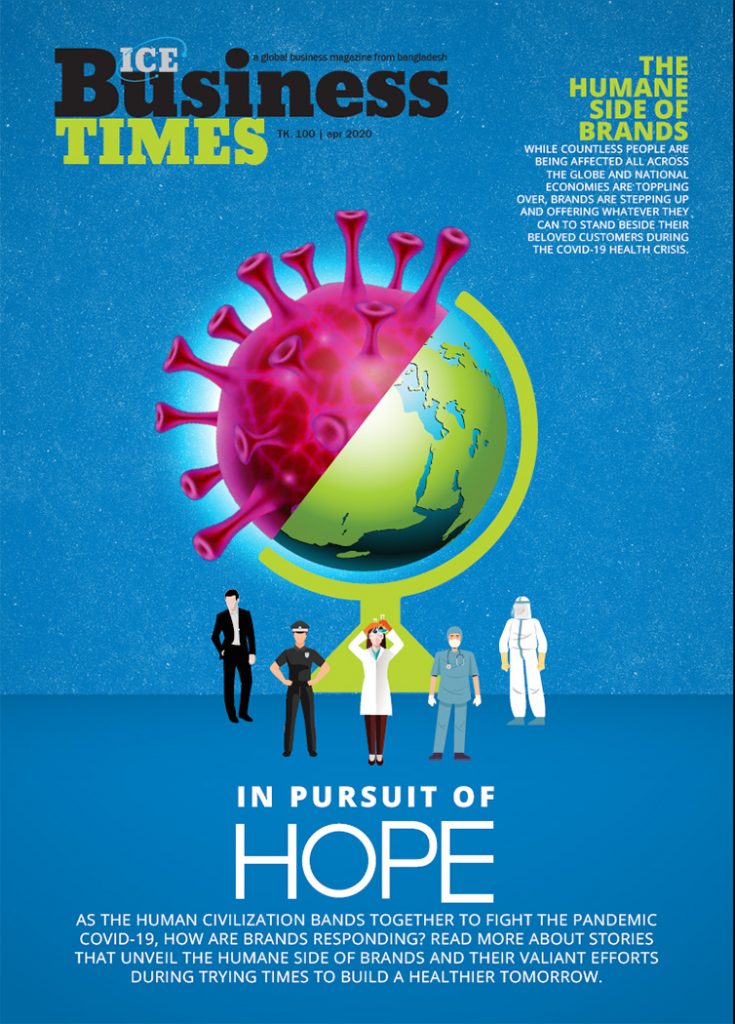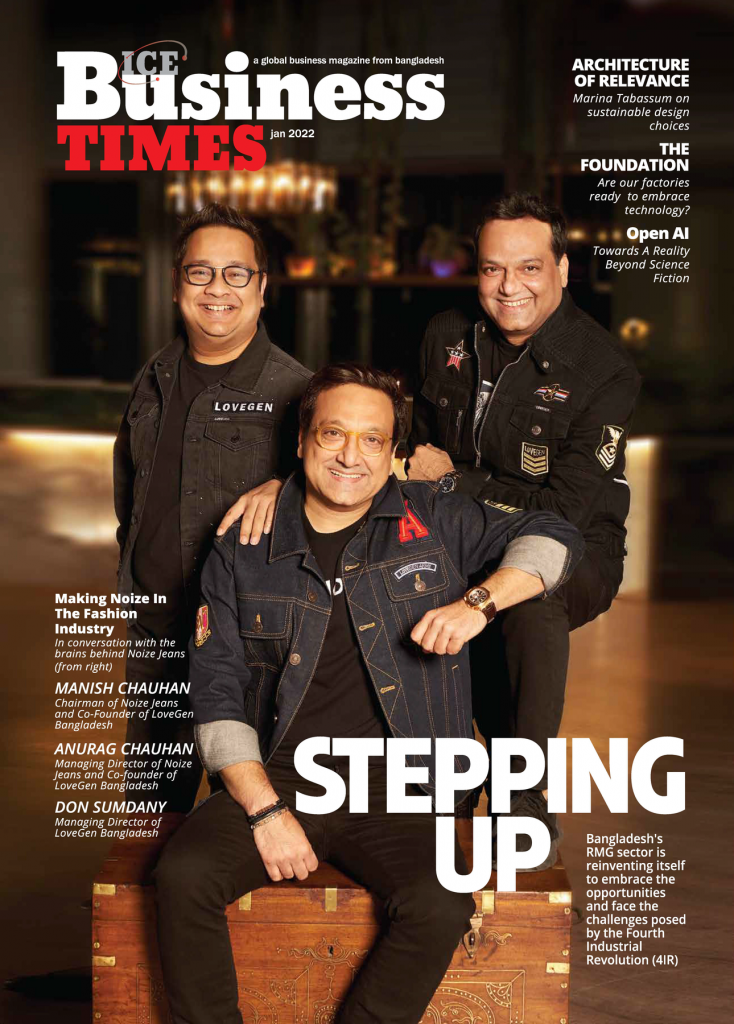
As Head of Talent, Culture & Inclusion at BAT Bangladesh, Rabih Masrouha is helping shape the company’s approach to inclusive leadership. Few leaders have had
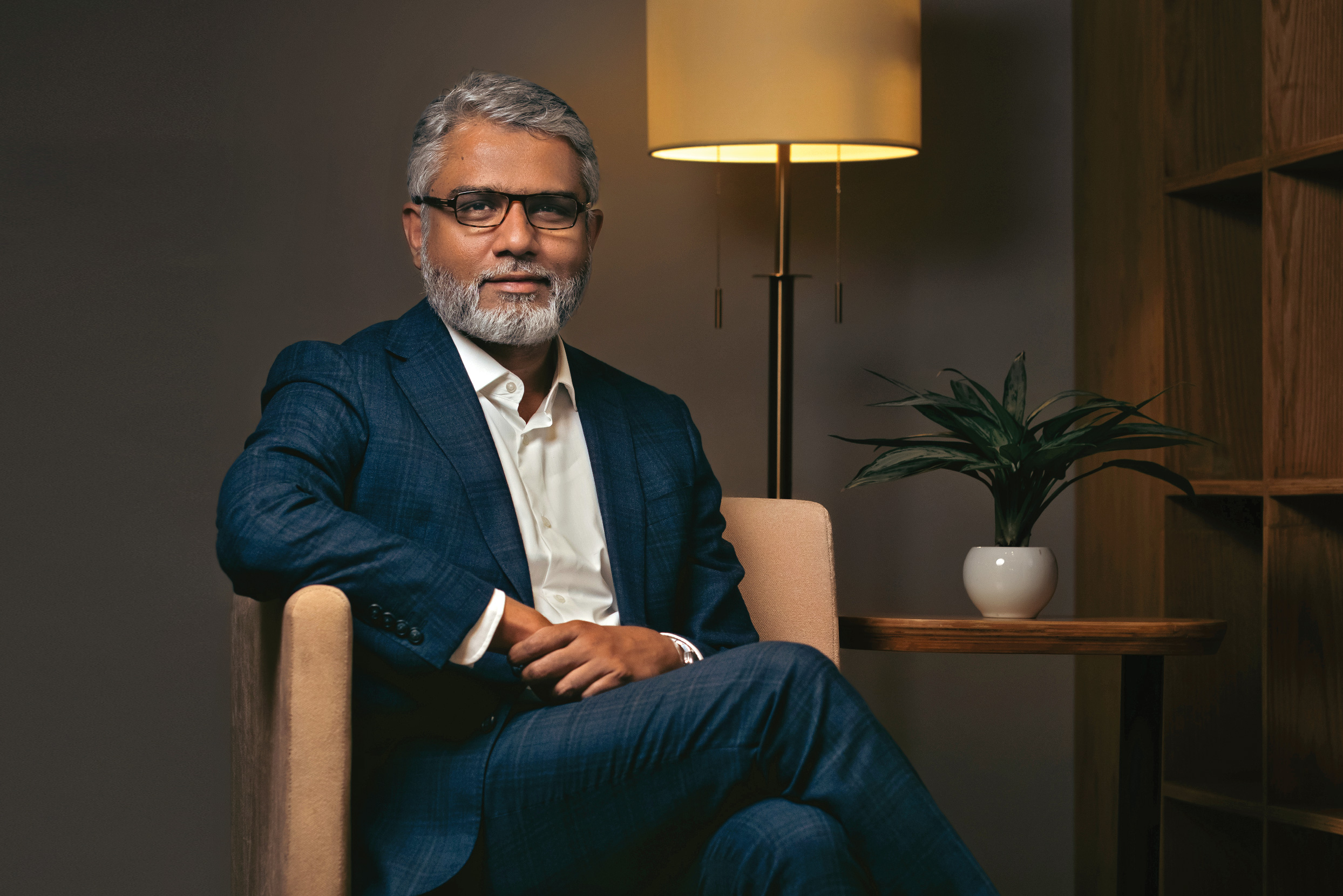
Sabbir Ahmed, Country Manager of Visa Bangladesh, Nepal, and Bhutan, offers insights into Bangladesh’s digital payments journey, highlighting emerging trends, structural challenges, and the gradual

Anne Coolen, VisionSpring Global Vice President of Programs, and Country Director Misha Mahjabeen share their goals to make affordable eyeglasses accessible to low-income communities in
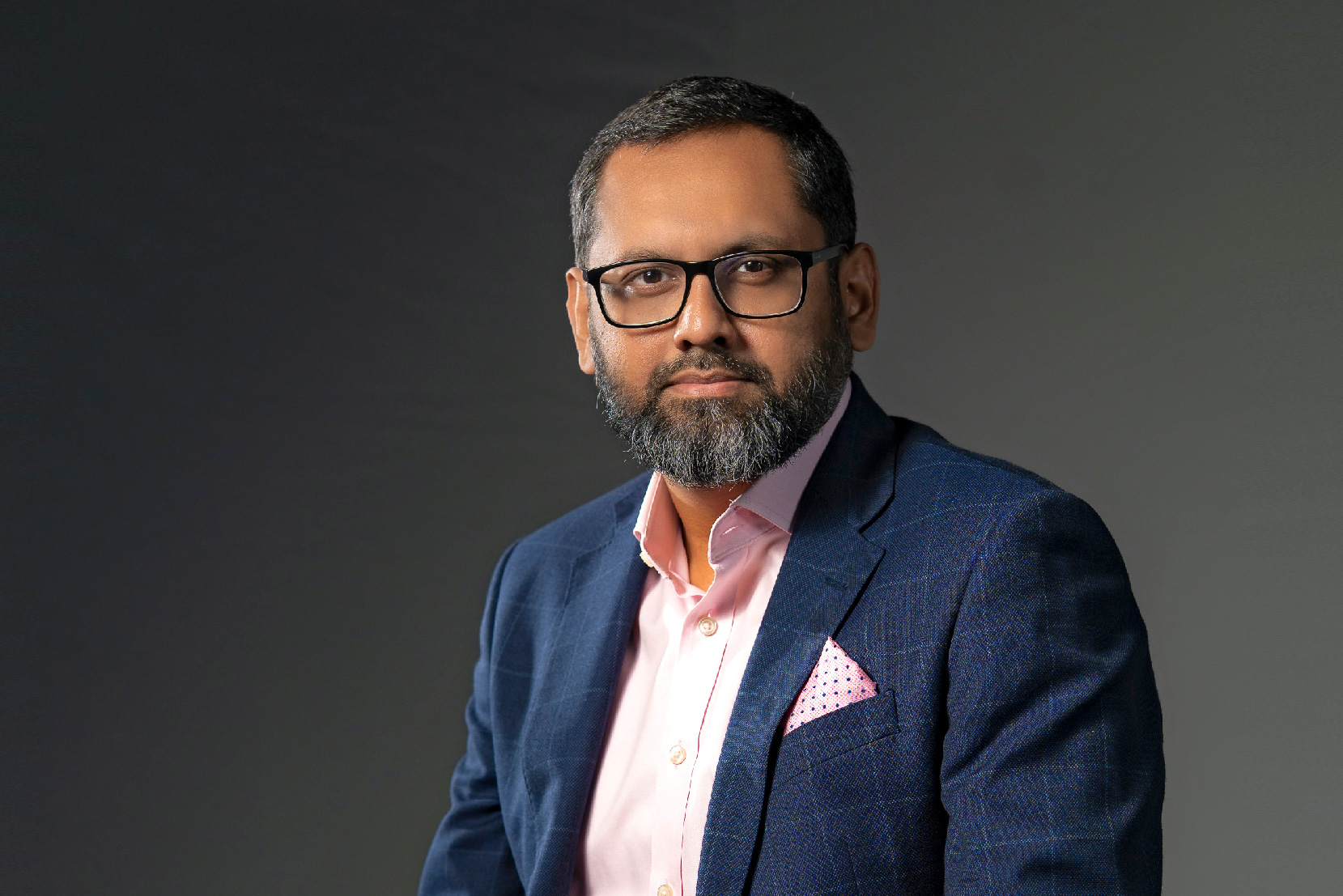
Tanzim Alamgir, Managing Director of UCB Investment Limited, shares insights on driving growth, navigating challenges, and shaping the future of investment banking in Bangladesh.

Abdullah Al Mamun, Head of Marketing and Business Development at Super Star Group, shares how the brand’s steadfast commitment to safety, innovation, and stakeholder empowerment

In conversation with The Front Page founders, Fasbeer Eskander and Shah Md Akib Majumder, on popularising bite-sized news, pioneering a business model for short-form journalism,

Tamara Hasan Abed, Managing Director of BRAC’s social enterprises, explains how Aarong’s mission-driven model and the world’s largest craft store in Dhanmondi showcase sustainable fashion,

Shah Rayeed Chowdhury, Director of Evince Group, discusses how Bangladesh’s garment industry can capitalise on its origins to foster innovation, explore emerging markets, and attract

Sheikh Sadi, Deputy Managing Director of Super Star Group (SSG), reflects on the inspiring journey of transforming a family legacy into a dynamic, future-ready, sustainable





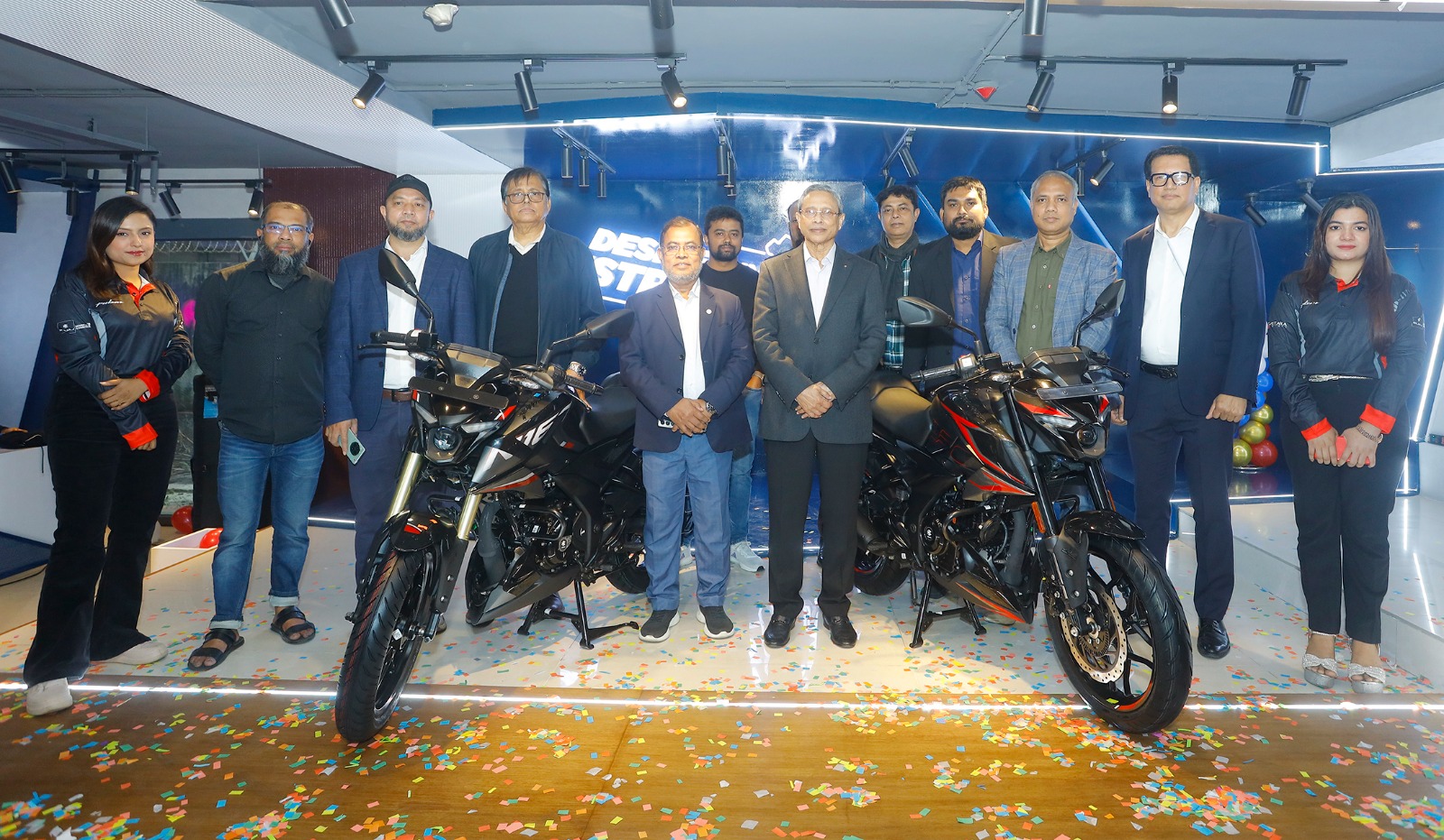
Uttara Motors Ltd., the sole distributor of Bajaj motorcycles in Bangladesh, has once again reinforced its leadership in the sports motorcycle segment with the inauguration of flagship pulsar experience centre “Pulsar Studio” alongside launch of Bajaj Pulsar N series premium – N250 and N160 at Uttara Centre, 39/A Eskaton Road, Dhaka.
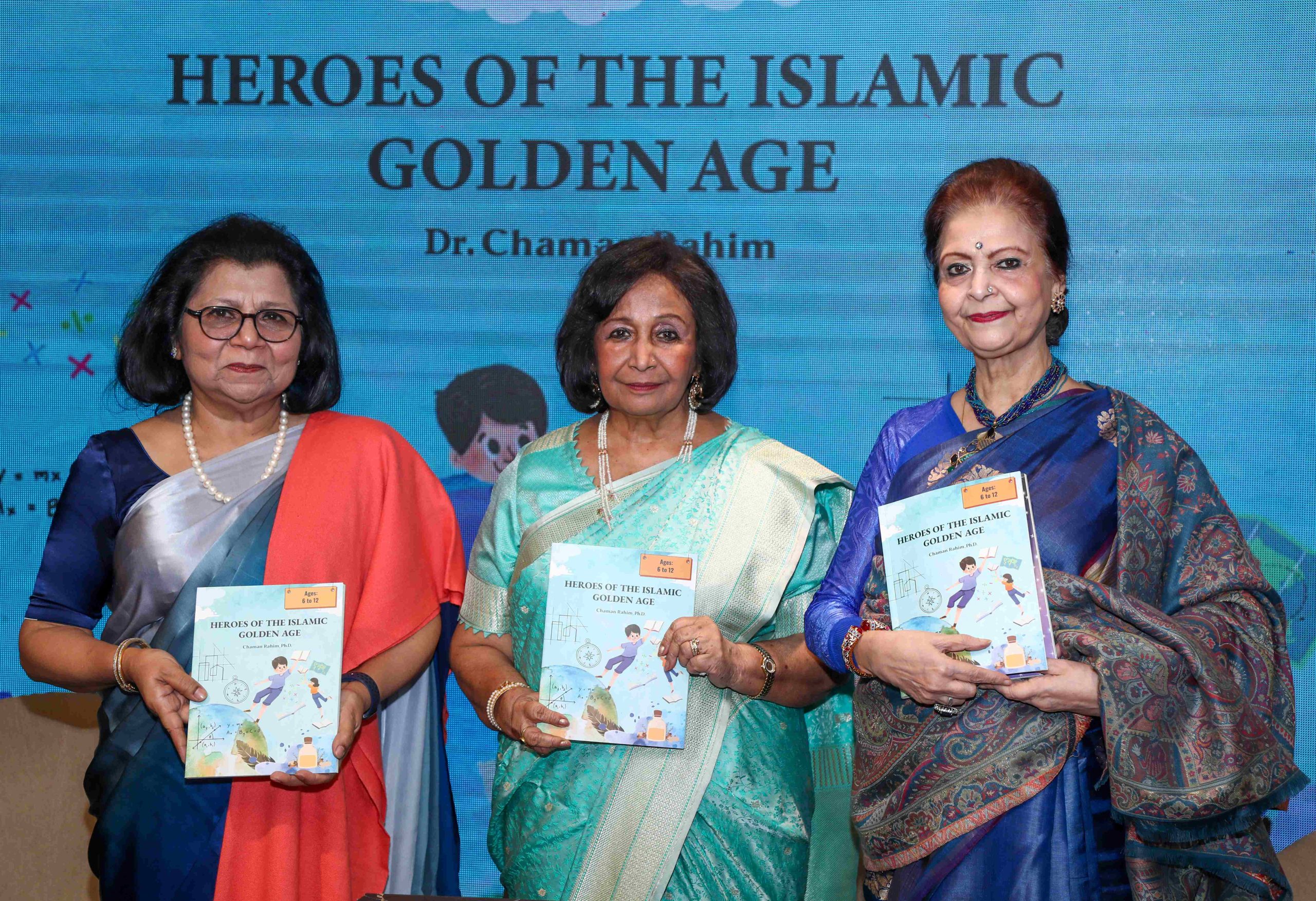
Renowned academic and author Dr. Chaman Rahim will officially launch her latest book, Heroes of the Islamic Golden Age, at a distinguished literary evening on

[Dhaka, January 07, 2026] As part of its ongoing efforts to improve convenience and choice for customers, country’s leading food and grocery delivery platform foodpanda
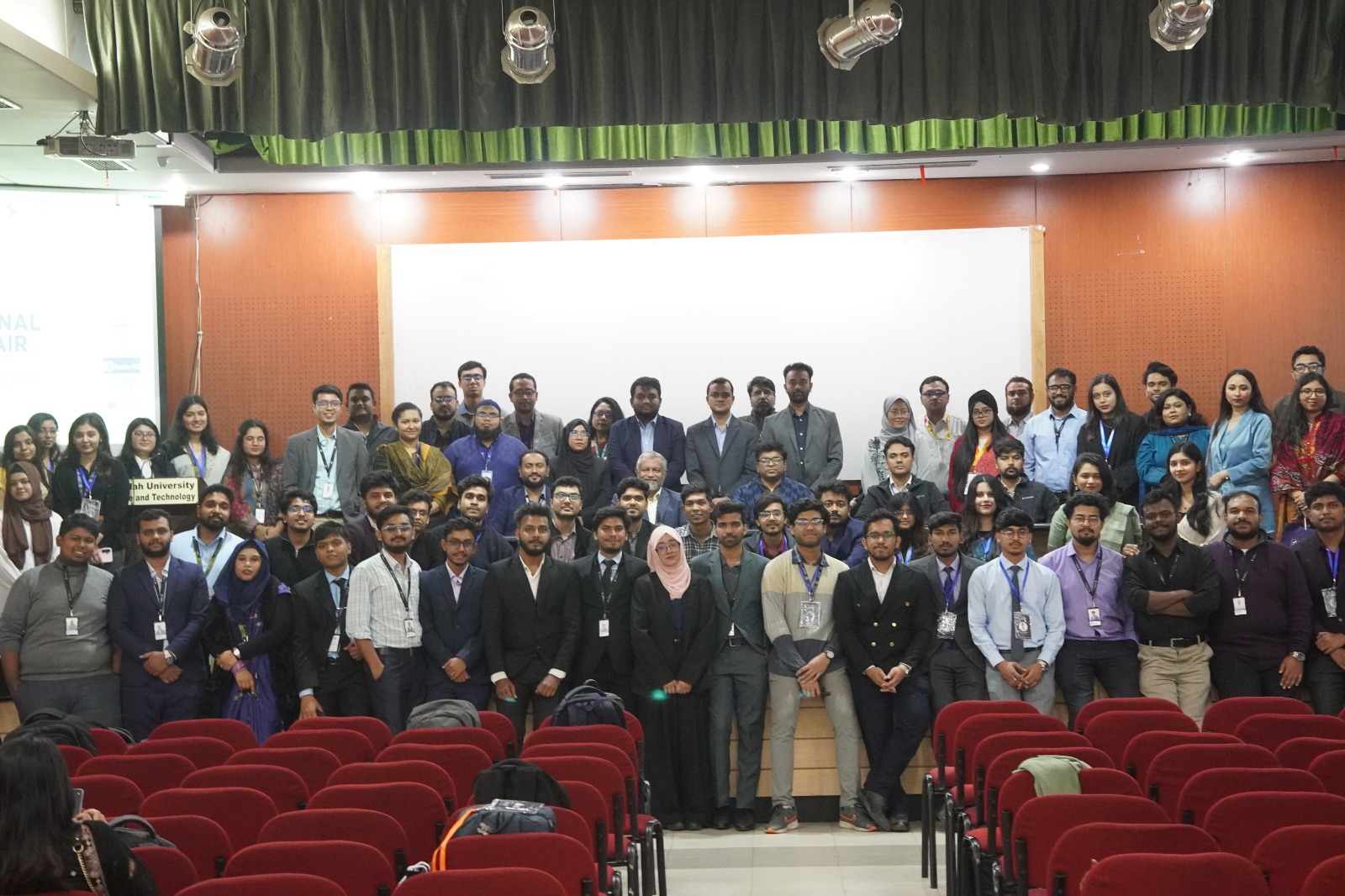
The AUST Career Development Club (AUSTCDC) successfully organized its Third National Job Fair titled “Akij Resource Presents AUST National Job Fair 2025: Career Symposium 3.0”,
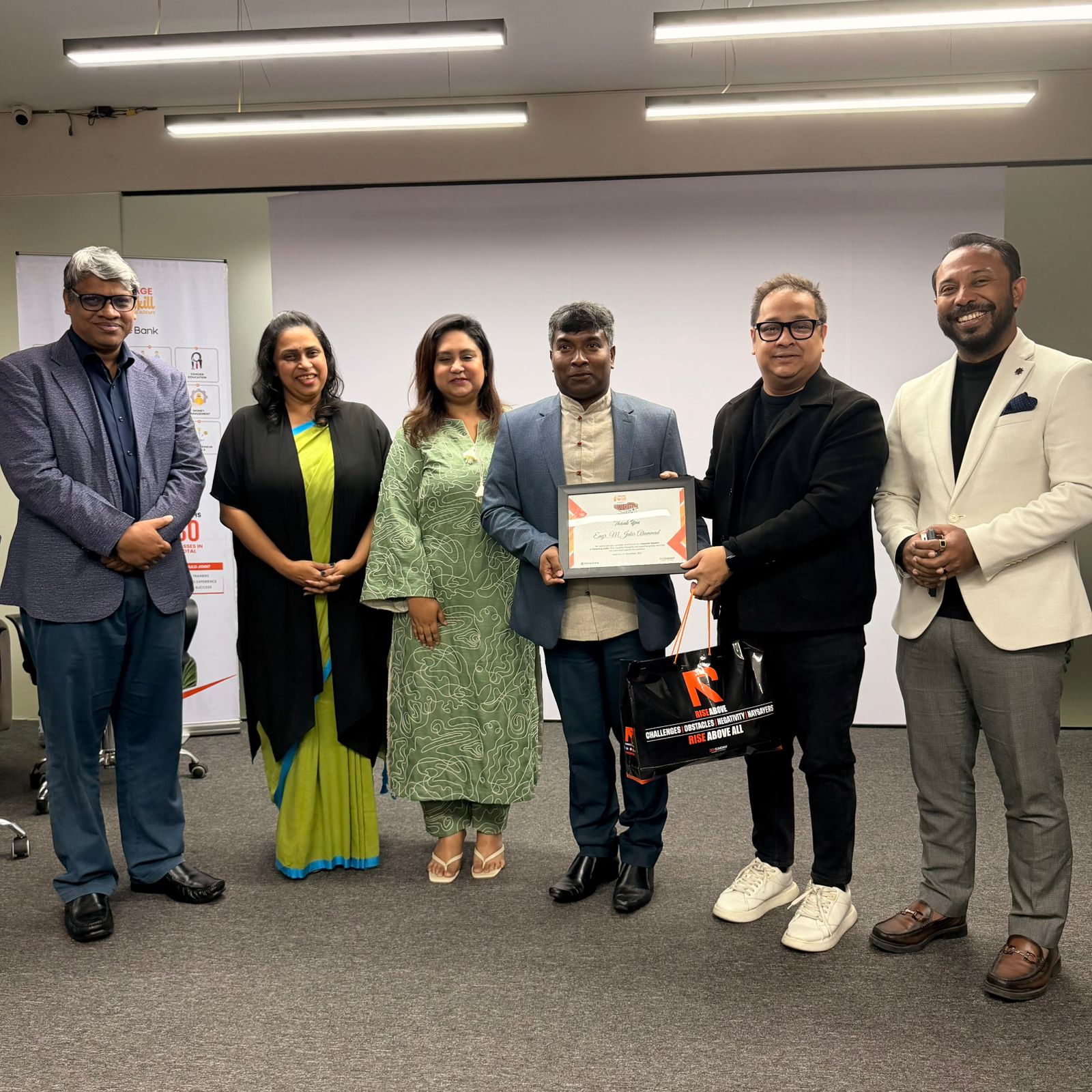
Teenage Life Skill Academy organized its first-ever “Parenting Adda” with the participation of more than 80 parents, on December 11, 2025, in Banani, Dhaka,. The
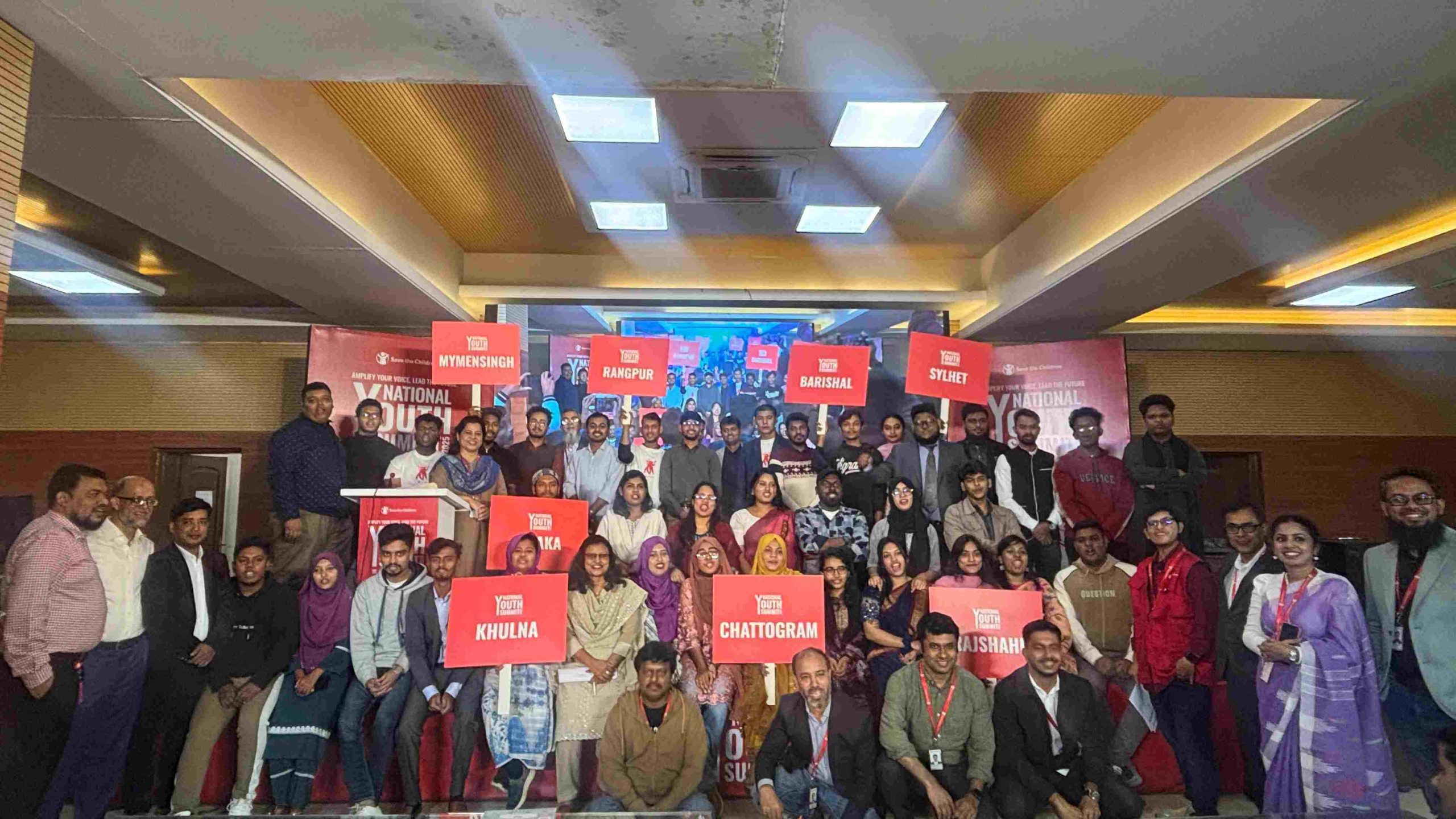
18 December 2025, Dhaka: Save the Children in Bangladesh has convened the National Youth Summit 2025 on 17–18 December at the Bangladesh Agricultural Development Corporation

Dhaka, Bangladesh – December 10, 2025: Banglalink has received the No Objection Certificate from Bangladesh Bank to commence operations as a Payment Service Provider. This

Renaissance Dhaka Gulshan Hotel welcomed the joyous spirit of Christmas with a vibrant and heart-warming Christmas Cake Mixing & Tree Lighting Ceremony, held today at
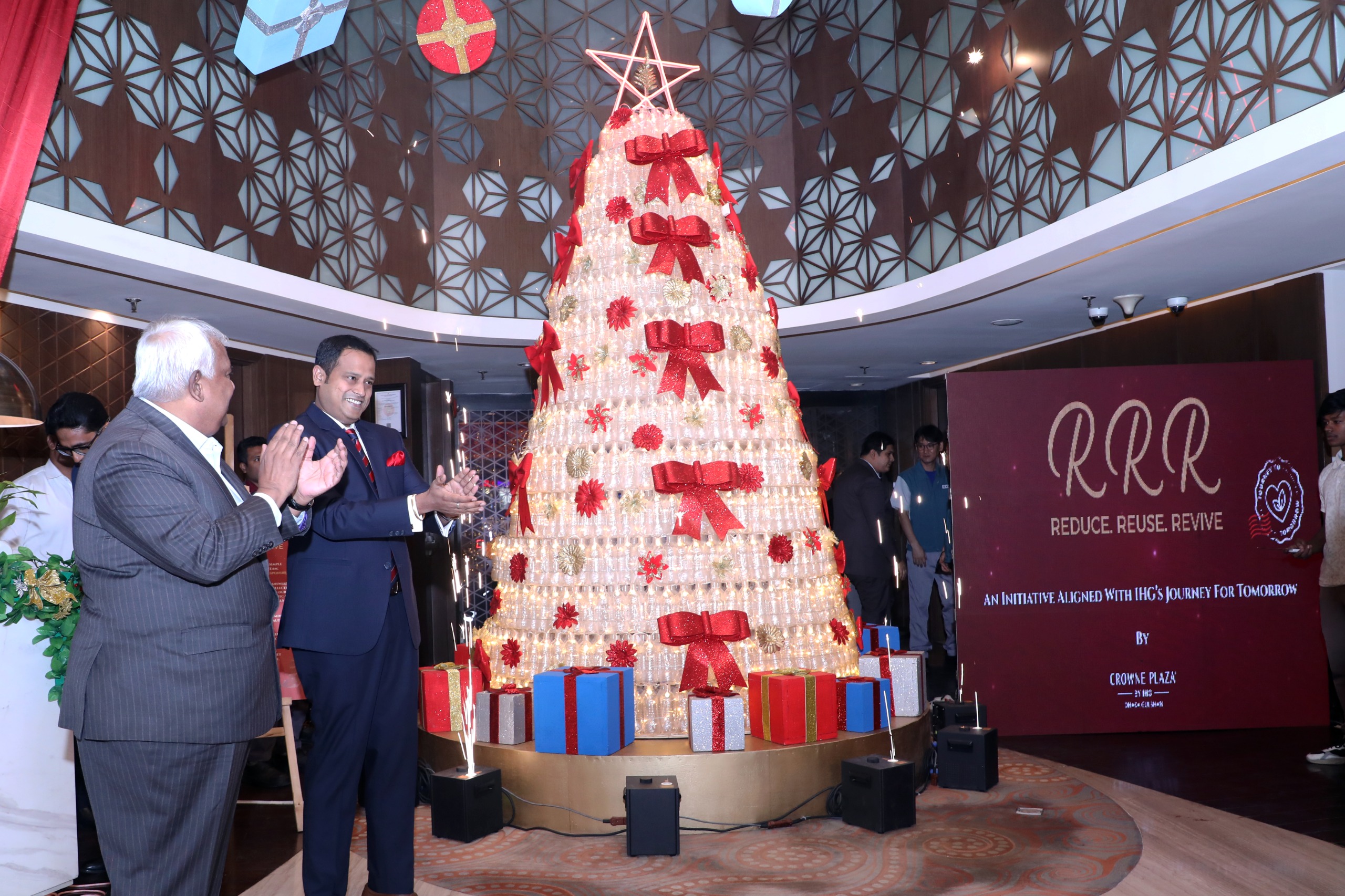
A heartwarming blend of creativity and corporate responsibility, Crowne Plaza Dhaka Gulshan has unveiled a unique Christmas tree designed entirely from 3688 onetime plastic bottles.

Renaissance Dhaka Gulshan Hotel has launched its newest culinary curation, the Zaika Signature À La Carte menu, introducing a thoughtfully crafted gastronomic journey that celebrates

The story of MINISO, from Jack Ye’s founding vision to its worldwide growth, and its success in Bangladesh explored in conversation with MINISO Bangladesh leaders,

Discover how MINISO’s unique franchise model is opening doors for entrepreneurs across Bangladesh, combining effortless ownership with global brand strength. MINISO Group Holding Limited

Bangladesh is proving that industry can care, but fundamental challenges remain that must be addressed for true progress. As we celebrate World Health Day

An overview of the discovery, development, and potential applications of metal-organic frameworks. When the 2025 Nobel Prize in Chemistry was awarded to Richard Robson

Silicon-carbon anodes promise faster charging and greater energy density than graphite, setting the stage for a new era in battery performance. As smartphones become

As Bangladesh embraces digital transformation, automation is affecting employment in key sectors. Bangladesh’s pursuit of a digitally integrated economy has evolved from a policy

DeepSeek brings a big disruption in artificial intelligence models and rewrites the rules of the game. When you think of seismic shifts in tech,