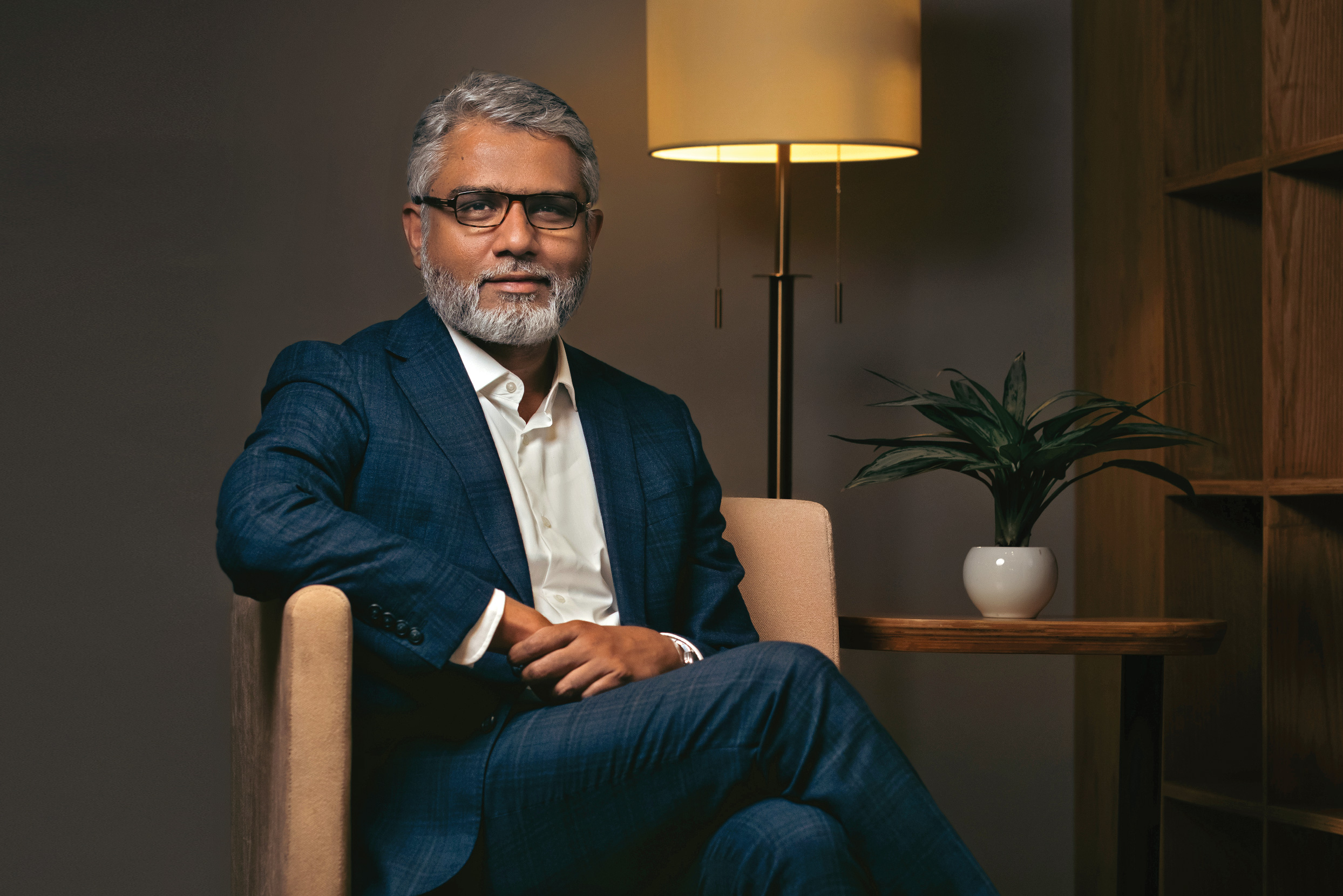

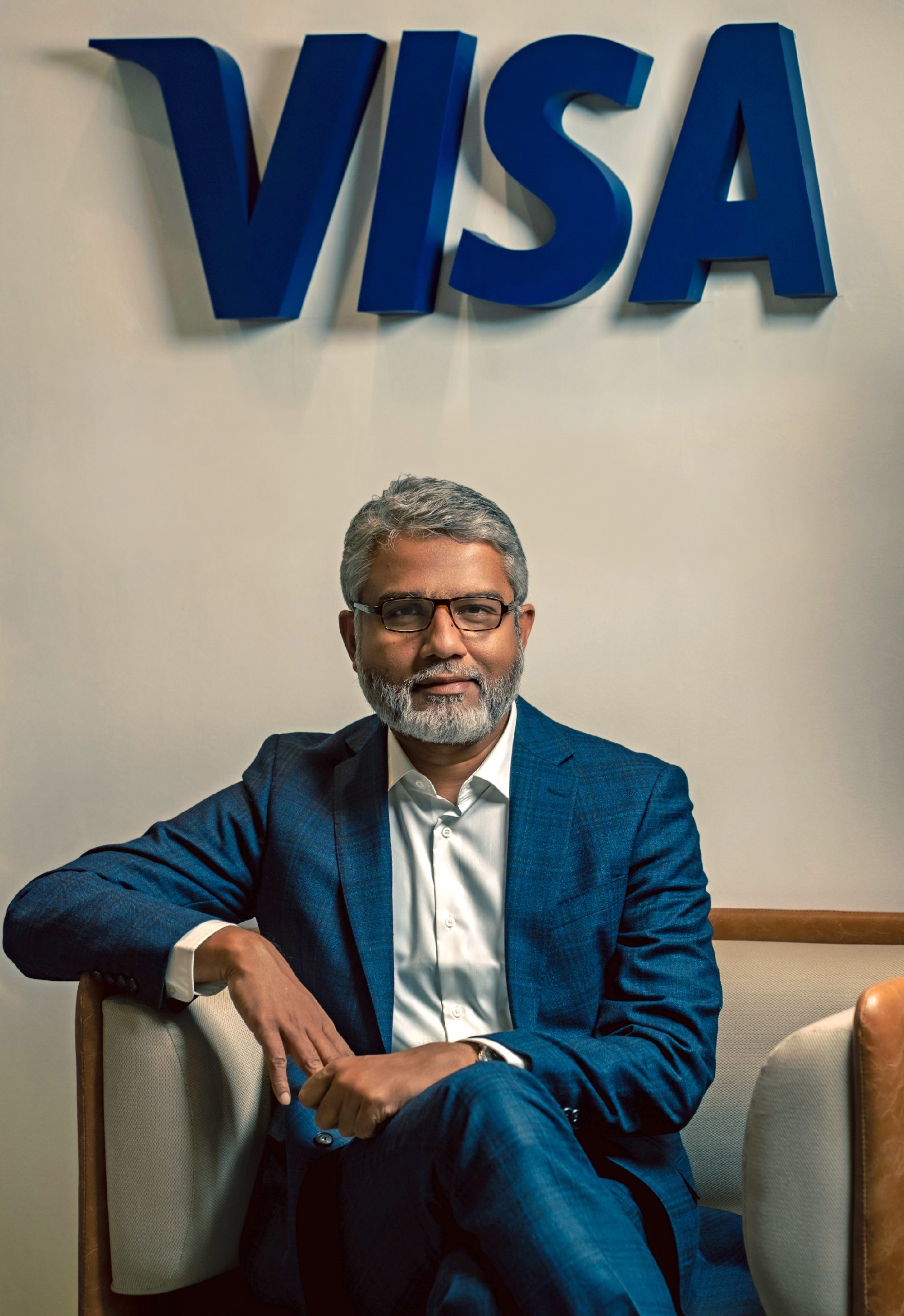
Sabbir Ahmed, Country Manager of Visa Bangladesh, Nepal, and Bhutan, offers insights into Bangladesh’s digital payments journey, highlighting emerging trends, structural challenges, and the gradual move toward a cash-light ecosystem.
How would you describe the current state of Bangladesh’s digital payments ecosystem?
A recent study by the Bangladesh Bank found that 70% of transactions are cash-based, while only 30% are through digital transactions, but there are encouraging signs that we are growing quite rapidly. For the last 10 to 12 years, Visa has been observing 25% to 30% growth in digital transactions each year. In my opinion, mobile financial services (MFS) helped push this growth further since their introduction 13 years ago. They brought digital transactions to all strata of society. Today, anyone can pay for groceries, bills, disburse salaries, or transfer money and do so much more using MFS.
Digital transactions are about to get a big stimulus as a new generation of young people enters the workforce. They are what we call digitally native — very comfortable using digital systems. They are still low in numbers, but we are seeing good growth. If we can keep this momentum, we should be able to have a healthy state of the digital payments ecosystem in Bangladesh very soon.
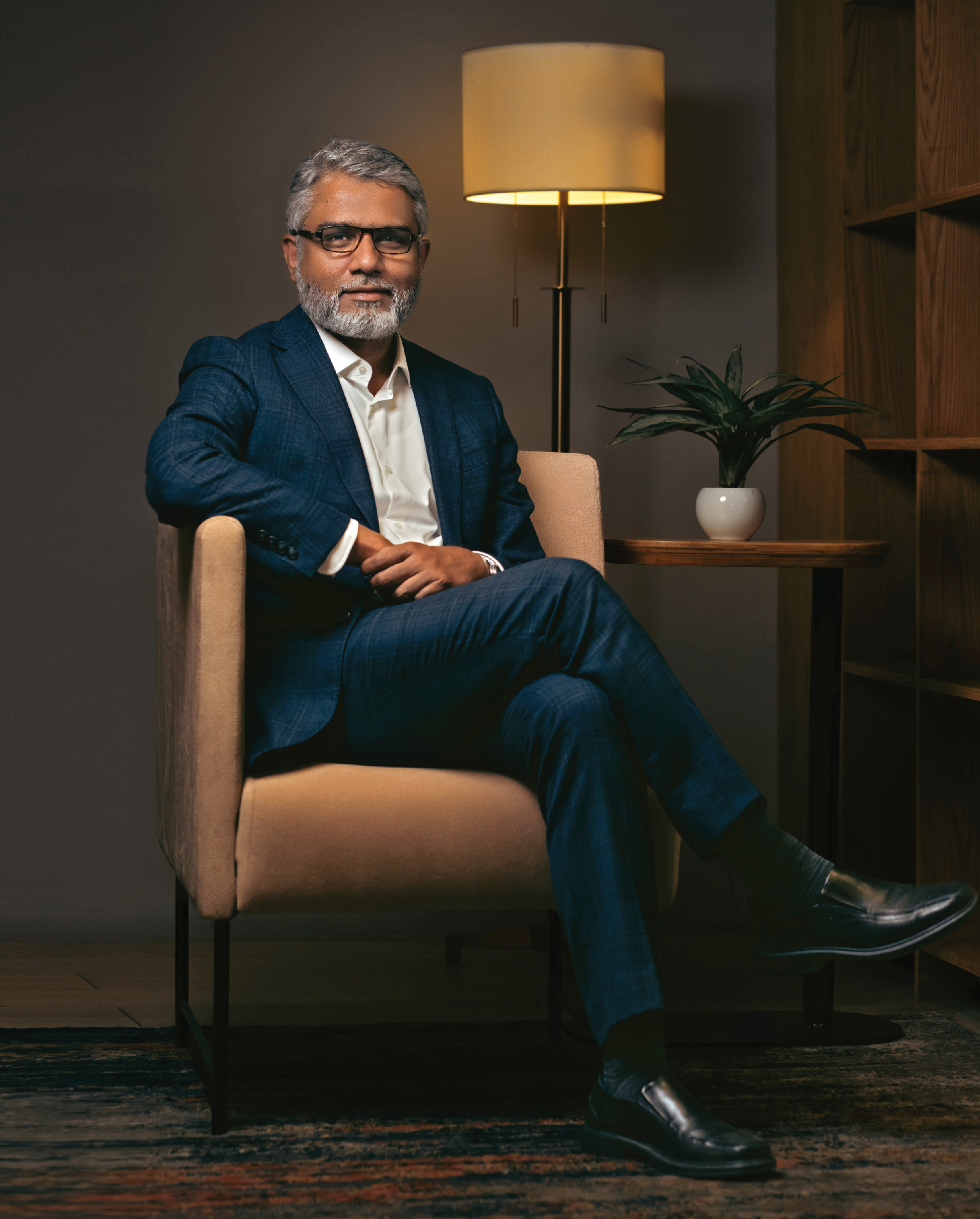
Country Manager
VISA Bangladesh, Nepal, and Bhutan
What is your outlook for Bangladesh as we approach 2026?
I think 2026 will be a pivotal year for Bangladesh. With the national election scheduled for mid-February, the business world is looking forward to the economic policies that will be set by the newly elected government. This will impact not only Bangladeshi investors but also foreign investors.
Bangladesh’s economic growth slowed down last year, and the projected growth rate for the fiscal year 2025-2026 is below 5%. Our nation is used to growing at a much faster pace. This slowdown has impacted every stage of society. The payment ecosystem, which, of course, is part of the country’s fabric, is not outside of the purview of this impact.
It is important that investors find renewed confidence in the Bangladesh economy and give it a much-needed boost. Keep in mind that 2025 was a challenging year, marked by uncertain tariff rates, which impacted our garment exports. I give credit to the interim government for negotiating a favourable tariff rate. Hopefully, this means 2026 will be a better year for our garment sector — the lifeblood of our economy.
Which digital payment trends in Bangladesh are gaining momentum right now?
Contactless payments are gaining significant traction. It overcomes so many steps — the customer hands their card to the cashier, who inserts it into a Point of Sale (POS) machine, punches in the amount, and hands it back to the customer, who punches in their PIN, and then the transaction goes through. With contactless, any transaction up to BDT 5000 can be done by simply tapping the card on the POS machine.
How does this help? Take, for example, supermarkets. Contactless allows queues to move very fast, making the experience significantly more convenient for customers while reducing the workload for cashiers.
We are seeing that customers are adapting to this payment method very fast. Recent statistics from our Visa network show that out of 100 payments, more than half are contactless. The growth rate we are seeing in Bangladesh indicates that we have the potential to reach that level where contactless becomes mainstream, making life easier for everyone.

How is interoperability influencing the shift toward a cash-light economy?
Credit goes to our central bank for passing a mandate that stated that all banks and MFS operators should be interoperable from 1 November 2025. This has helped the payment ecosystem digitalise even further. Interoperability is key because it makes digital payments seamless. A good example is the integration of Visa through the bKash app. If your Visa card and bKash account are connected, you can pull funds from your Visa card via the bKash app. The customer journey looks virtually the same — you scan the QR, enter the payment amount, and select Visa to make the payment.
Another fantastic example is the proliferation of Bangla QR, made possible by the central bank. For small merchants, QRs are more affordable compared to expensive POS systems, and Bangla QR allows you to pay using any MFS or banking app. For customers, it means convenience and less confusion. Instead of needing to sort through multiple QRs, they can pick their app and scan the Bangla QR because it works on a system built on interoperability.
In the end, interoperability is making it easier for people to adapt to digital payments as opposed to cash payments, and, in effect, helping us all shift towards a cash-light economy.
We are seeing that customers are adapting to this payment method very fast. Recent statistics from our Visa network show that out of 100 payments, more than half are contactless.
What role will Visa play in Bangladesh’s digital payments future?
Visa has a huge role to play in Bangladesh’s digital payment future. We have made huge strides across the globe in digitising payments, with over 5 billion credentials in more than 200 countries. In Bangladesh, we are working with all the stakeholders in the financial ecosystem — banks, fintech companies, merchants, and the central bank — to take it to the next level.
Consumer payments are our bread and butter, but in Bangladesh, out of 12 crore bank accounts, only 3.5 crore have a debit card — around 30%, and credit card penetration is around 1% of our population. To achieve 100% — like our neighbouring countries — an effective measure would be to introduce debit cards to people very early in their lives. We have therefore engaged in discussion with the honourable governor of the central bank, recommending introducing debit cards to students. If primary school students can have their own bank accounts and debit cards, they will get habituated with the digital payment ecosystem at the very onset, and it will stay with them all their lives. Likewise, Visa is also working to increase credit card penetration in Bangladesh.
There are 9 million SMEs in Bangladesh, and to support their contribution to the economy, Visa is working with the central bank and the SME Foundation to bring about a policy where SME owners are given a quota of up to USD 3000 to promote their business. Before this policy, SME owners had to utilise personal quotas to promote their business. I believe this new policy is a great start for SMEs, and Visa is at the forefront of this change.
Visa is also playing a role in digitising payments for the Dhaka Metro Rail. The system we have right now is slow and inefficient, causing long queues and delays even during off-peak hours. Visa has approached the MRT authorities to propose a system where a passenger can tap their debit or credit card at the turnstile, and tap again at their exit station, and thus pay for transit. Developed transit systems worldwide are already doing this.
We at Visa are therefore very closely involved in the digital payments future of Bangladesh. There is a huge opportunity here, and we can soon become a cashless society as we envisioned.
Photographs by Shihab Mohammad