
How a democratically elected government turned autocratic.
Bangladesh changed overnight. Even a month ago, it may not have crossed our minds that our government, after 15 years in power, through landslide victories and complete authority over the nation, would fall, and its leader, Sheikh Hasina, forced to resign from her position as Prime Minister and flee the country.
Once Upon a Time the People’s Choice
The former Prime Minster was once a pro-democracy icon; a voice for democratic reform and change. This was in the ‘80s when Bangladesh was under a military dictatorship. She was very popular as an opposition leader and fearlessly challenged the military rule. Joining hands with her eternal rival, Khaleda Zia, along with several other political leaders, she led a movement that resulted in the fall of the Ershad government. It brought democracy back to Bangladesh.
Sheikh Hasina first became Prime Minister in 1996 and then lost the 2001 elections. In 2008, through a free, fair and credible election, she came to power again. However, the three consecutive elections of 2014, 2018 and 2024 were highly controversial. Over the course of 15 years, Sheikh Hasina had consolidated so much power that she had become invincible.
Saving the Economy
In her early years in power, Hasina took several steps to improve the condition of the poor and empower them. During that time, she worked to improve the country’s economic indicators and reduce poverty through the export of ready-made garments and remittances sent by Bangladeshis working abroad. During Hasina’s tenure, the country’s per capita income tripled in a decade. According to the World Bank, more than 2.5 million people have been lifted out of poverty in the last 20 years. Ambitious infrastructure projects have been implemented, for instance, the Padma Bridge at a cost of USD 2900 crore, combining domestic funds, loans and development assistance. By 2026, Bangladesh is projected to exit the status of ‘least developed country’. These are great achievements, but they came at a greater price.
Misuse of Power
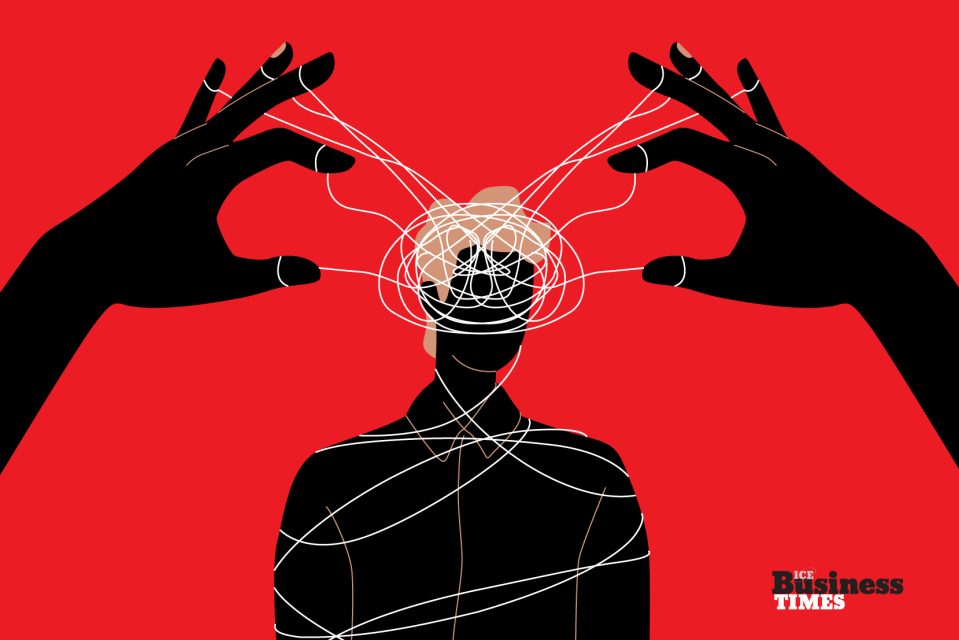
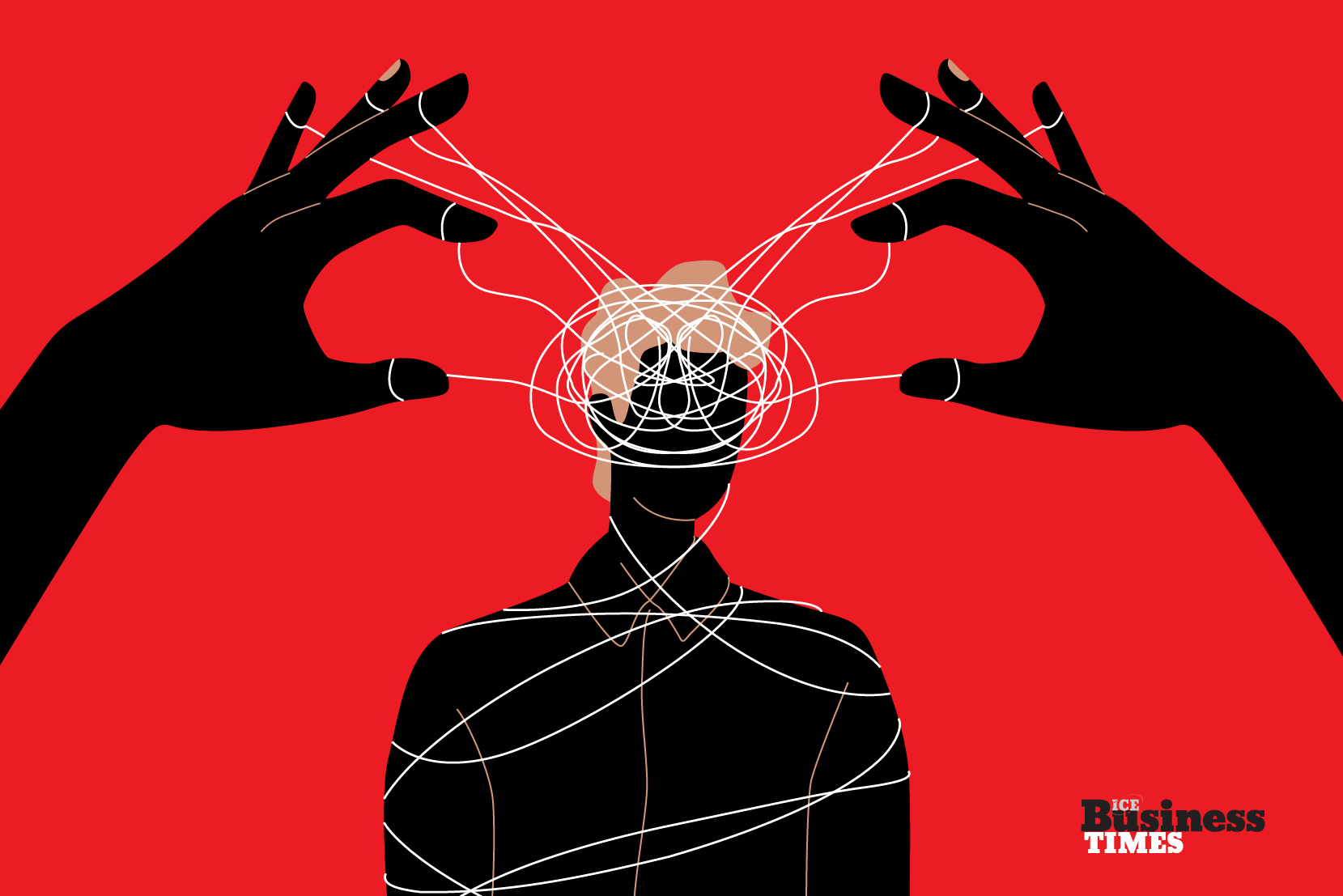
Towards the end of her reign, Sheikh Hasina’s rule had become, as many have labelled it, authoritarian, in light of several observations made by critics. Businesses of those close to her party flourished, loyalists were appointed to senior positions in the bureaucracy and police force, extrajudicial killings were carried out, words of enforced disappearances struck fear in the hearts of the general population, several outspoken newspapers were prosecuted, a draconian Digital Security Act (later, the Cyber Security Bill) was imposed that placed significant restrictions to freedom of speech, and systemic corruption became omnipresent.
Sheikh Hasina’s government started using excessive force to maintain control, creating an atmosphere of fear and repression across the country. The Cyber Security Bill curbed critical voices of government and ruling party activists and freedom of expression, particularly the dissemination of critical content online. Her government curtailed freedom of the press to consolidate her position as the absolute centre of power. Civil rights were suppressed.
On the one hand, economic indicators improved but on the other hand, the disparity between the rich and the poor increased. Money laundering, financial scams, and fraudulent activities increased.
The list of debtors grew longer and longer. Widespread corruption coupled with growing economic inequality despite overall economic progress fuelled public discontent.
Exploiting an Ideology
Throughout her reign, Sheikh Hasina has repeatedly brought up the ruling party’s role in liberating the nation in 1971. Whenever criticisms of misrule were voiced, they were rejected with the argument that her government was committed to establishing the ideals of the liberation war. No other government would have that dedication and commitment to respect those ideologies, hence, there were no viable alternatives to her ruling party. What was presented as a noble ideology was only one of the many strategies used to remain in power.
Authoritarian Conduct
Forsaking the virtues of a true democracy practised through free and fair elections, she left none in her way to oppose her authority. The abolishment of a caretaker government to oversee election fairness was rejected by the opposition, resulting in boycotts, low voter turnouts and violence during 2014, 2018 and 2024 elections, putting the acceptability of the election outcomes, where Sheikh Hasina emerged victorious, into question.
Economic analysts, social critics, and columnists have repeatedly voiced their concerns and fears that the undemocratic conduct, deterioration of good governance, excessive extrajudicial killings and disappearances, looting, money laundering, unrestrained rise in the price of commodities, deprivation of people’s freedom of expression, the absence of human rights and lack of free and fair elections mean that the citizens of the country would never be unshackled from the restraints of the autocrat. Evidently, the ruling party had thought the same as they refused, at every turn, to address the demands of the students-led 2024 Quota Reform Movement.
Downfall
What started as peaceful demonstrations and protests in July turned into a nationwide movement within a month. The government’s lack of response to the demands for quota reforms, complete disregard for people’s right to protest, and total indifference to the attacks on students and the loss of lives showed how much it was willing to ignore the million voices of the country’s people. Fifteen years of single-party rule had manifested a feeling of invincibility in the minds of the party’s leaders.
Claiming that a third party had infiltrated the protests instigating public violence and destruction of national properties, the government justified the use of excessive force by deploying armed personnel. Hundreds of people were killed in police firing in addition to attacks by the party’s own people. The quota reform movement became a revolution demanding the resignation of the Prime Minister. On 5 August 2024, when protestors by the lakhs had taken to the streets, Sheikh Hasina no longer had the support of the armed forces as they refused to contribute to any more bloodshed. This led to her resignation and the end of her authoritarian rule.
The Way Forward
The people’s trust in the government will take a long time to rebuild. In post-independent Bangladesh, those who have been in power have always claimed legitimacy as the bearer of the spirit of the liberation war.
While it is true that there has been a change of power in Bangladesh multiple times over the last five decades, there has been no generational change in leadership.
As a result, the gap that has been created with the next generation, the youth of the nation, has increasingly become unbridgeable. The misuse of the spirit of the liberation war to perpetuate power and privilege has given birth to a deep rejection in the minds of the youth.
The people have removed one authoritarian government, but trust in the country’s democratic integrity will take a long time to rebuild. The way forward now is towards forming an acceptable government to pave the way for a permanent political system for the future, one encompassing the re-establishment of true democracy, reclamation of human rights, freedom of expression, freedom of speech, freedom to protest, access to information, and free and fair elections. We owe it to the hundreds of lives lost in this movement that we be careful to not destroy the victory they have achieved through their struggle and sacrifice.