
The Bay Of Bengal Can Be A Harbinger Of Economic Upheaval For Bangladesh In The Future. An In-depth Report
By Rear Admiral Md. Khurshed Alam (Retd.)
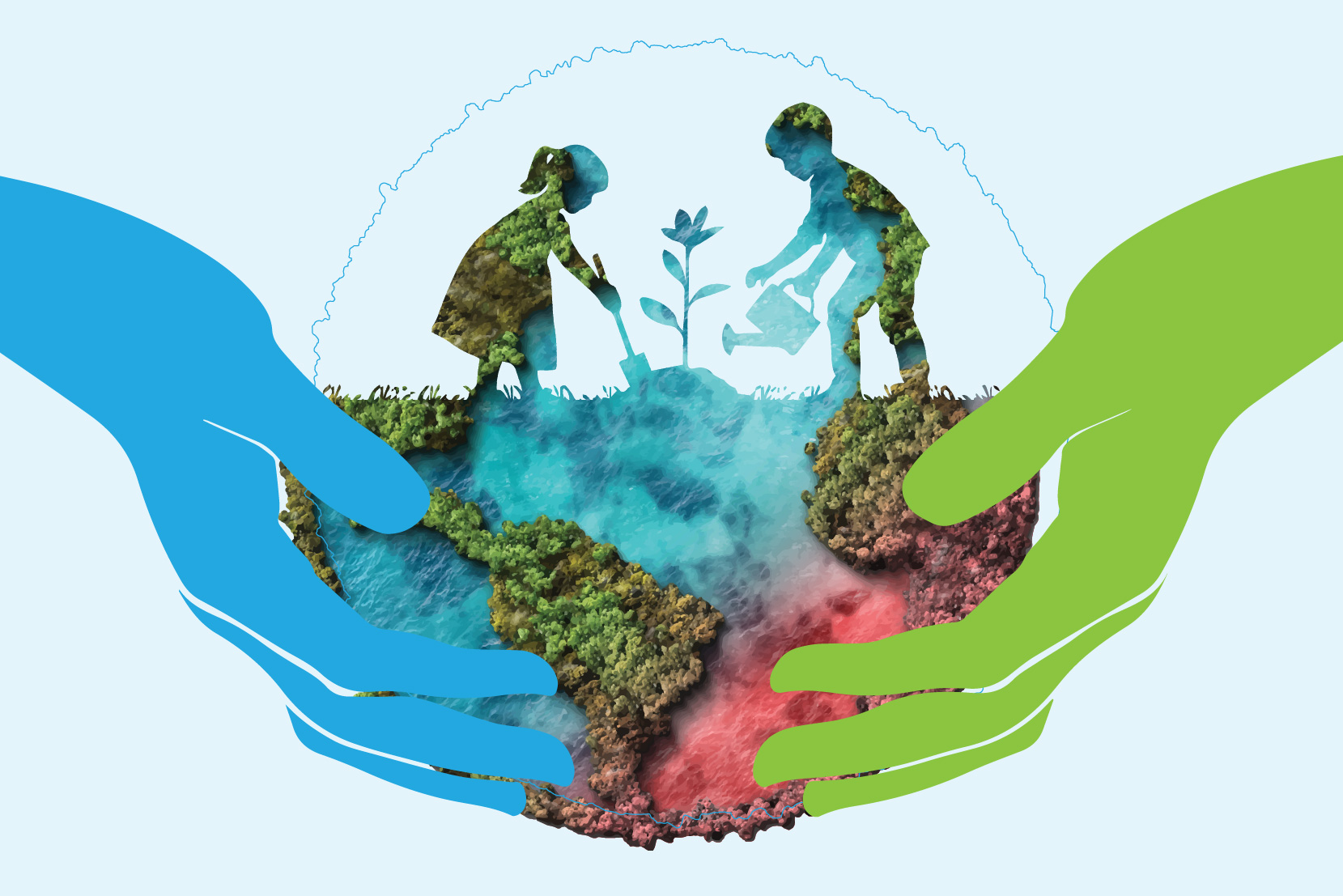
As a framework for Sustainable Development, The Blue Economy conceptualises oceans and seas as “Development Spaces” where spatial planning integrates conservation,the sustainable use of living resources, oil and mineral wealth extraction, bio-prospecting, sustainable energy production and marine transport. The Blue Economy approach is founded upon the assessment and incorporation of the real value of the natural (blue) capital into all aspects of economic activity (conceptualisation, planning, infrastructure development, trade, travel, renewable resource exploitation, energy production/consumption). Every country must take its share of the responsibility to protect the high seas, which cover 64 % of the surface of our oceans and constitute more than 90% of their volume. With a view to improving food security, eradicating poverty and delivering shared prosperity, global leaders, ocean practitioners, scientists, and representatives from government, business, civil society and international organizations must come together to explore action-oriented partnerships, governance arrangements, investment frameworks and new financing vehicles to turn the tide not only on the health of Oceans but also how the resources of the sea could be used for economic emancipation. It should also highlight the need to address the next frontiers of successful integrated approaches that include public-private partners, secure financing and catalyze good ocean governance while reconciling tensions and balancing priorities between (i) growth and conservation, (ii) private sector interests and equitable benefits for communities and (iii) Areas beyond national jurisdiction and Exclusive Economic Zones (EEZ) within the 200-mile limit) from the coast.
Balancing Growth and Conservation: Governments, policy makers and international institutions keen to boost food security and eradicate poverty face a careful balancing act between conservation and growth. While fisheries and aquaculture generate considerable social and economic benefits for hundreds of millions of people around the world, and have the potential to increase their contribution to human well-being and growth, sustainable development, based on the pillars of ecological, social and economic sustainability, entails reconciling several intersecting agendas.
Balancing private sector growth and equitable benefits for communities: Globally, fish provide about 3 billion people with almost 20 percent of their average per capita intake of animal protein. Over 90% of small-scale fisheries come primarily from developing countries. In some countries, fish accounts for more than 50 percent of the animal protein intake. While governments can create legal, regulatory and policy frameworks and incentives, it is the private sector that is the main driver of economic growth through investment and entrepreneurial initiatives which range from global billion-dollar corporations that are vertically integrated to small-scale fishers.
Uniting EEZ and Areas beyond National Jurisdiction (ABNJ): There are a number of common issues that have an impact in EEZs and in the high seas in regard to resource use and conservation. From small-scale artisanal fisheries to large-scale industrial fisheries, and whether in national waters or ABNJ, the related issues of who has the right to exploit the fishery’s resources and the nature of that right are a key part of the sustainable management of the resource. Marine pollution includes, but is not limited to, plastics, metals, glass, concrete and other construction materials, paper, polystyrene, rubber, rope, textiles and hazardous materials, such as munitions, asbestos and medical waste. Marine debris may result from activities on land or at sea and is a complex cultural and multi-sectoral problem that exacts tremendous ecological, economic, and social costs around the globe.
The Blue economy approach emphasises that ideas, principles, norms of Blue Economy lend significant contribution towards eradication of poverty, contributing to food and nutrition security, mitigation and adaptation of climate change and generation of sustainable and inclusive livelihoods. Thus Blue Economy requires a balanced approach between conservation, development and utilisation of marine and coastal eco-systems, all oceanic resources and services with a view to enhancing their value and generates decent employment, secure productive marine economy and healthy marine eco-systems. Primarily, blue economy should have adequate focus on well-being and livelihood of people; and engagements between countries and stakeholders on Blue Economy should be based on the principles inter alia of mutual trust and respect, equitable mutual benefit, and sharing of benefits to secure sustained and beneficial outcomes of all ocean-centric enterprise. It is needless to say that for most developing States particularly for Bangladesh, making transition to Blue Economy would entail fundamental and systemic changes in their policy-regulatory–management–governance framework(s) and identification of various maritime economic functions.
In conclusion it can be said that the future development potential of a Blue economy strategy for Bangladesh strongly depends on the ability of the economic actors to find a business model which fits the developmental stage and the national and global developments. However, once confidence of the future potential is established, new players can easily enter the business, invest, upscale and grow the business. Once risks subside, large industrial players (e.g. from pharmaceutical, chemical and cosmetics, but also energy, utility and mining companies) are expected to become interested in the opportunities of Blue economy. Access to finance is therefore amongst the most important barriers for the maritime economic activities in the not so developed maritime economic functions. Clearly, investment risks are substantial in this phase, but so can be the rewards. Apart from funding of activities in the development phase, access to finance can block the realisation of investment plans and new business initiatives.
In light of this, it is essential that Bangladesh recognizes the true potential of its marine resources and develops an integrated maritime policy that acknowledges the inter-linkages that exist between the different domains and functions of its seas, oceans and coastal areas. The Blue Economy strategy builds on policy initiatives to recognize the potential of these marine resources and thus aids in realizing a future strategy towards smart, sustainable and inclusive growth. Our ability to compete and achieve future success in maritime economic activities, such as deep sea fishing, aquaculture, international/coastal shipping, port infrastructure, coastal and cruise tourism, offshore drilling, renewable energy, biotechnology, coastal protection, salt production, human resource for maritime activities and development of existing islands and chars will have important knock-on effects for both upstream and downstream suppliers. Successfully rolling out tomorrow’s maritime economic activities will, therefore, have a positive impact on an entire portfolio of other maritime economic activities, namely those of a cross-cutting nature such as shipbuilding, blue biotechnology, drilling in the Bay and port infrastructure, human resource and maritime monitoring and surveillance.
Opportunities
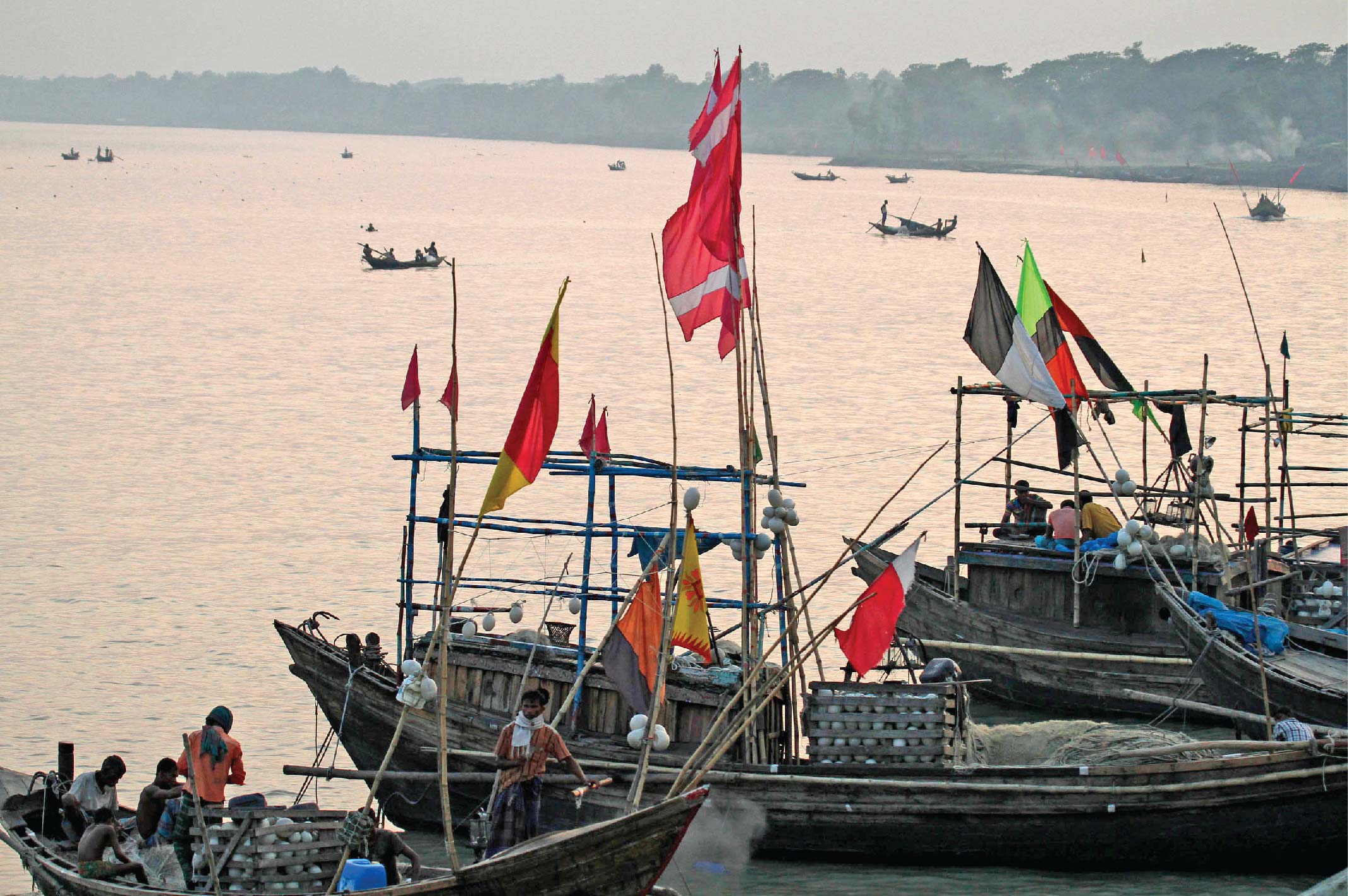
Blue Economy offers a suite of opportunities for sustainable, clean, equitable blue growth in both traditional and emerging sectors such as shipping and port facilities, fisheries, aquaculture, tourism and so on.
SHIPPING AND PORT FACILITIES-80 percent of global trade by volume, and over 70 per cent by value, is carried by sea and handled by ports worldwide. For developing countries, on a national basis, these percentages are typically higher. World seaborne trade grew by 4% in 2011, to 8.7 billion tonnes despite the global economic crisis and container traffic is projected to triple by 2030.
FISHERIES – Fish accounts for 15.7% of the animal protein consumed globally. The value of fish traded by developing countries is estimated at US$ 25 billion making it their largest single trade item. In 2009 marine capture production was 79 million tonnes.
AQUACULTURE – Aquaculture is the fastest growing global food sector now providing 47% of the fish for human consumption. Fish used for human consumption grew by more than 90 million tonnes in the period 1960-2009 (from 27 to 118 million tonnes) and aquaculture is projected to soon surpass capture fisheries as the primary provider of such protein.
TOURISM – Marine and coastal tourism is of key importance to many developing countries. Tourism is a major global industry; in 2012 international tourist arrivals increased by 4% despite the global economic crisis and constituted 9% of Global GDP (direct, indirect and induced impact). In 2012 tourism supported 9% of global jobs and generated US$ 1.3 trillion or 6% of the world’s export earnings.
ENERGY – In 2009 offshore fields accounted for 32% of worldwide crude oil production and this is projected to rise to 34% in 2025 and higher subsequently, as almost half the remaining recoverable conventional oil is estimated to be in offshore fields – a quarter of that in deep water. Of these the offshore wind energy industry is the most developed of the ocean based energy sources. Global installed capacity was only a little over 6 GW in 2012 but this is set to quadruple by 2014 and relatively conservative estimates suggest this could grow to 175 GW by 2035.
BIOTECHNOLOGY – The global market for marine biotechnology products and processes is currently estimated at US $ 2.8 billion and projected to grow to around US$ 4.6 billion by 2017. Marine biotech has the potential to address a suite of global challenges such as sustainable food supplies, human health, energy security and environmental remediation. In the very short term, the sector is expected to emerge as a niche market focused on high-value products for the health, cosmetic and industrial biomaterials sectors.
SUBMARINE MINING – The world is gearing up for the exploration and exploitation of mineral deposits on and beneath the sea floor. By 2020, 5% of the world’s minerals, including cobalt, copper and zinc could come from the ocean floors. This could rise to 10% by 2030. Global annual turnover of marine mineral mining can be expected to grow from virtually nothing to €5 billion in the next 10 years and up to €10 billion by 2030.
Maritime Functions
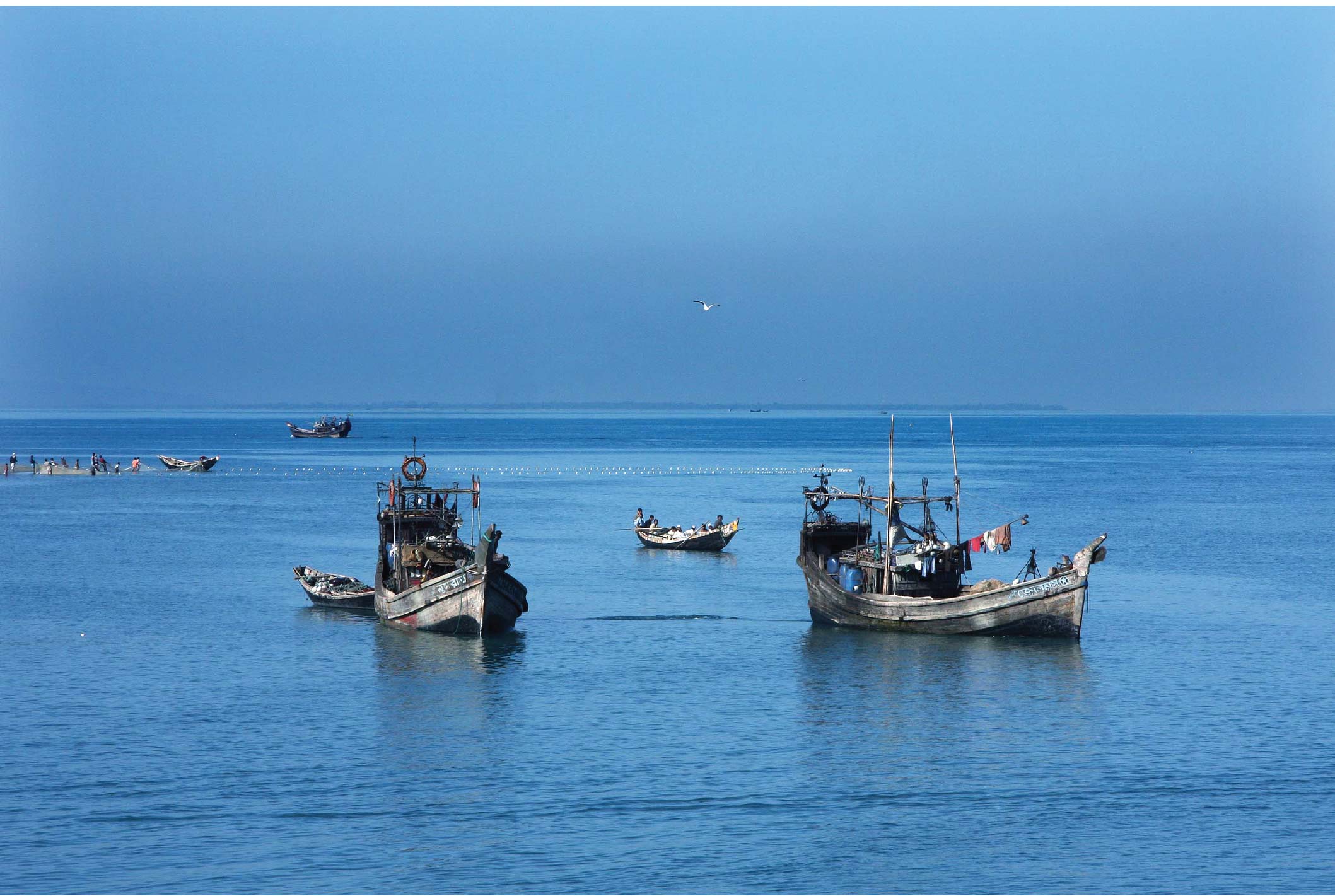
Maritime functions in the context of Blue economy are not just economic sectors; they cover the relevant maritime value chains – including backward and forward linkages. This is important since large parts of the economic activities take place not in core sectors themselves, but in adjacent economic activities. The following summarises all maritime economic activities that have been identified and whose developments are now at various stages:
MARITIME TRADE AND SHIPPING
SHIPPING – More than 90% of the Bangladesh’s external freight trade is seaborne – and on-going globalisation has made this flow ever more important. The long coastline and age old tradition of sea navigation in Bangladesh have led to a relatively strong development of maritime services that support the sea trade and sea transport function (ranging from shipping agents, freight forwarders, and insurance to classification and inspection, and maritime education in the Marine Academies/Dockyards/Shipyards/ Nautical Institutes etc). Presently Bangladesh’s value of export and import stands at about USD 67 billion (2013-14) and are carried by 2500 foreign ships visiting our ports.
COASTAL SHIPPING/FEEDER SERVICES– It means national and international freight transport within and to/from neighbouring countries with medium sized ships. Coastal shipping forms an important means of transport within most of the transport system and this figure will be higher for Bangladesh having extended coastlines along the rim of the Bay of Bengal.
SEA PORTS – Infrastructure like ports can be used by different economic activities and is a fine example of synergy. It goes without saying that ports are important crystallization points for maritime economic activities: whether cruise shipping, coastal shipping, international shipping, passenger ferries, fishing, marine mineral mining, oil drilling, offshore or maritime monitoring, they all require ports and ports infrastructure.
PASSENGER FERRY SERVICES – Transporting passengers on fixed sea routes, sometimes this is combined with Ro Ro transport. Passenger ferries provide synergies as well while inland shipping is another essential component of the chain. During 2012 about 231.5 million passengers and 32.6 million Mt of cargoes were transported through inland/coastal networks leaving sufficient scope for further investment and expansion around the coastal belt.
INLAND WATERWAY TRANSPORT – Bangladesh has one of the largest inland water transport network in the world covering 24,000 km long with 1000 landing points and 21 inland river ports. The major navigation routes in Bangladesh are cantered at some important river ports such as Dhaka, Narayanganj, Chandpur, Bhairab, Barisal, Chittagong and Khulna. The connectivity of these ports especially in waterways is important for the economy. So the maintenance of the navigability of the rivers of the country should take priority which will in turn generate jobs, and is less expensive than road links.
SHIPBUILDING – The shipbuilding industry contributes to this function by providing the necessary equipment, which does not only cover ships but also the marine equipment in which our own industries can play an important role. There are more than 300 shipyards and workshops in Bangladesh and almost 100% requirement of inland vessels, fast patrol boats, dredging barges, passenger vessels, landing craft, tug, supply barges, deck loading barges, speed boat, cargo coasters, troop carrying vessels, hydrographical survey vessels, survey boat, pilot boats, water taxi, pontoons and water taxi are being built by these yards. Ship building yards are constructing 10,000 DWT Sea going ships for export and are expected to upgrade their capacity to 25000 DWT. In the Dry docks of Bangladesh about 15 ships are being repaired annually earning foreign exchange. Shipbuilding industry not only earns foreign exchange but also saves it where as in road and rail transportation about 100% transport vehicles/rolling stocks are imported from abroad. It should be promoted and nurtured in all possible ways, including its horizontally and vertically linked businesses, and given opportunities and incentives for growth and expansion. Other similar manufacturing and engineering fronts should also be seriously explored.
SHIP RECYCLING INDUSTRIES – During 2013,about 300 ships were dismantled, which is the highest number in six years and Bangladesh ranked 2nd considering number of ships while ranked 3rd from the point of gross tonnage. It provides about 70-75% scrap steel as raw material for Steel and Re-rolling mills, saving lot of foreign currency.
FOOD AND LIVELIHOOD
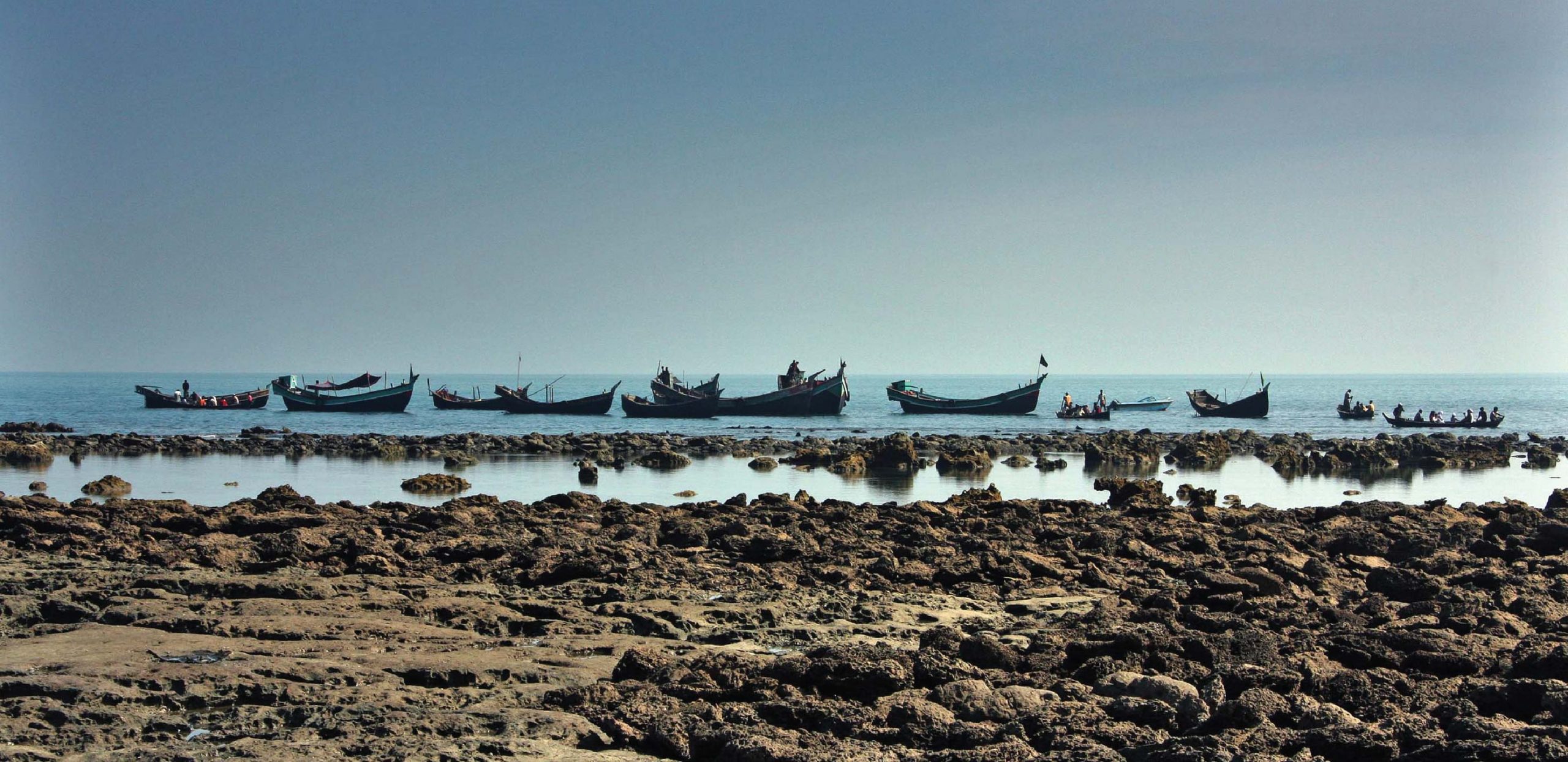
FISHERY – There are about 475 species of fish found in our EEZ compared to 250 species on land. Fish still provides the much needed protein needs of our people. About 57,000 artisanal mechanized and non mechanized wooden boats and 200 industrial steel body trawlers are engaged in fishing in the coastal waters upto 60 km (within 40m depth) from our coastline having very limited capability in catching pelagic fishing-shoals closer to surface.
Future development prospects of aquaculture appear promising. Well-managed coastal aquaculture and mariculture offer significant scope for green growth and employment opportunities for coastal communities. Strengthening regional fisheries bodies, national fisheries management agencies, fishing community and fish workers organisations and private sector associations is critical to sustainable and equitable use of marine resources through aquaculture.
MARINE AQUATIC PRODUCTS– Marine aquatic products consist of the farming of marine aquatic organisms, mainly for human consumption and all the associated primary processing activities.
MARINE BIOTECHNOLOGY– It is about unravelling the potential of the biodiversity of a specific earth compartment for the benefit of the rest of the economy. The unexplored and understudied nature of much of the underwater world means that the capacity of marine organisms other than fish and shellfish to provide inputs to the blue economy is only just beginning to be appreciated, partly through new gene sequencing technologies for living organisms. Exploration of the sea biodiversity is now helping us understand for example how organisms that can withstand extremes of temperature and pressure and grow without light could be used to develop new industrial enzymes or pharmaceuticals. It can provide bio-sourced products such as coating with anti-fouling or anticorrosive properties for maritime transport and shipbuilding.
ENERGY
OIL AND GAS– Bangladesh is yet to assess the true potential of its offshore oil and gas prospects. Some 26 Tcf (trillion cubic feet) gas reserve has so far been discovered in Bangladesh, of which only about 1 Tcf is located in the offshore areas. Until 2014, 19 exploratory wells were drilled in the Bay of Bengal, resulting in only two gas discoveries, i.e. the Sangu and the Kutubdia, with small reserves. The Sangu reserves of 0.8 Tcf have already depleted, whereas the Kutubdia reserves 0.04 Tcf are yet to be developed.
SEA SALT PRODUCTION – Sea salt has been produced traditionally along the Cox’s Bazar coast of Bangladesh for generations. In a longer dry season, the salt farmers can get about 20 tons/ha production. The annual salt production in the Cox’s Bazar coastal segment of Bangladesh is 22MT, where the Samut Sakhon of Thailand produces 43MT
OCEAN RENEWABLE ENERGY – Marine-based renewable energy such as wind, wave and tidal range and currents offers a significant potential to contribute to low-carbon energy supplies for regions with appropriate coastal features. A wind generator with a capacity of 2 MW has already been installed in the coastal area of Kutubdia, Bangladesh, but remains inactive.
MARINE MINERALS MINING – The deposits of marine minerals can be divided into three categories: (1) polymetallic sulphurs, (2) ferromanganese crusts, (3) (ferro) manganese nodules, and (4) rare earth elements and yttrium, and. They differ in composition, shape and location. Managed correctly this natural capital could be converted into jobs, infrastructure, public service improvements and growth in the domestic private sector.
TOURISM
COASTAL TOURISM– Globally, coastal tourism is the largest market segment and represents 5 per cent of world GDP and contributes to 6-7 per cent of total employment. It is the main source of foreign exchange for one-half of Least Developed Countries (LDCs). Coastal tourism includes a) beach-based recreation and tourism, b) tourist activities in proximity to the sea, and c) nautical boating including yachting and marinas. Sustainable tourism can create new jobs and reduce poverty.


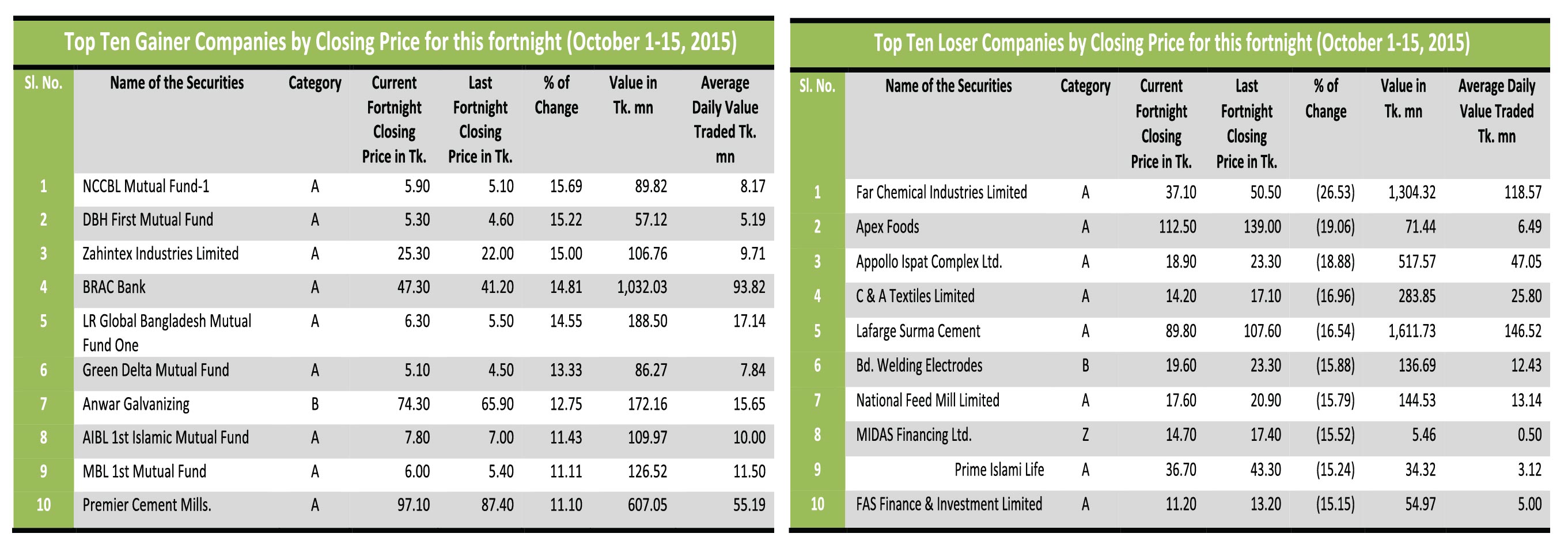
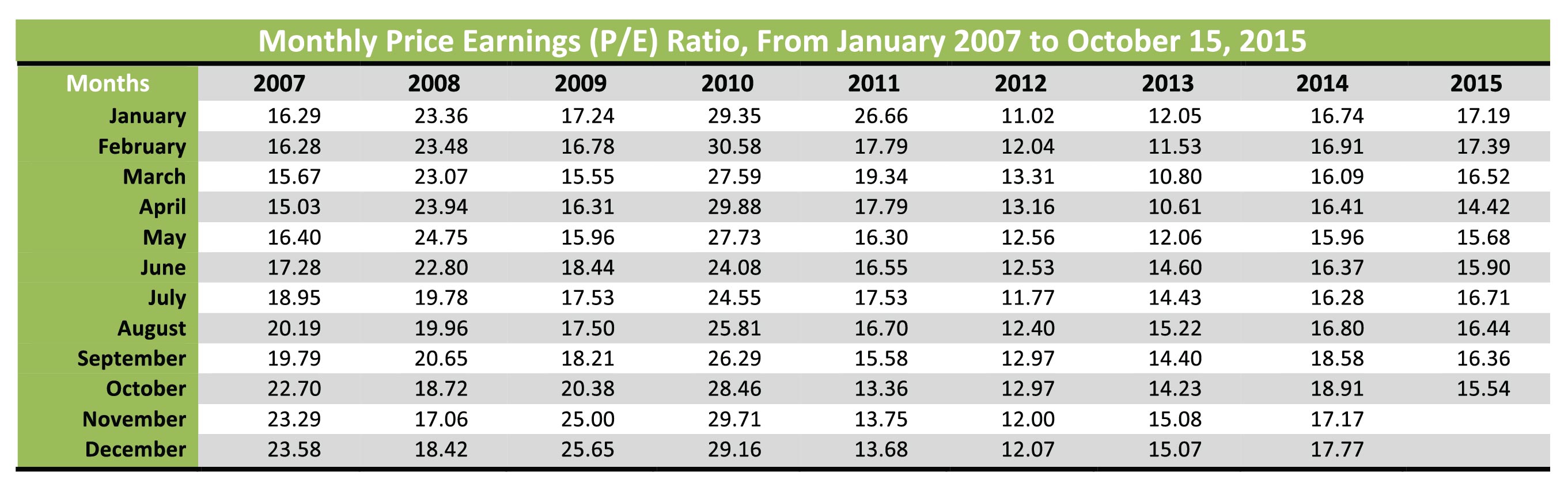
Source: Dhaka Stock Exchange
Disclaimer: Dhaka Stock Exchange does not holds any responsibility for these data.
About The Author
The author is Secretary , MAU, MOFA He is an international expert on this subject and can be reached at : khurshed.alam@ mofa.go.bd. This write up is an abridged version of his detailed research paper on the same topic.